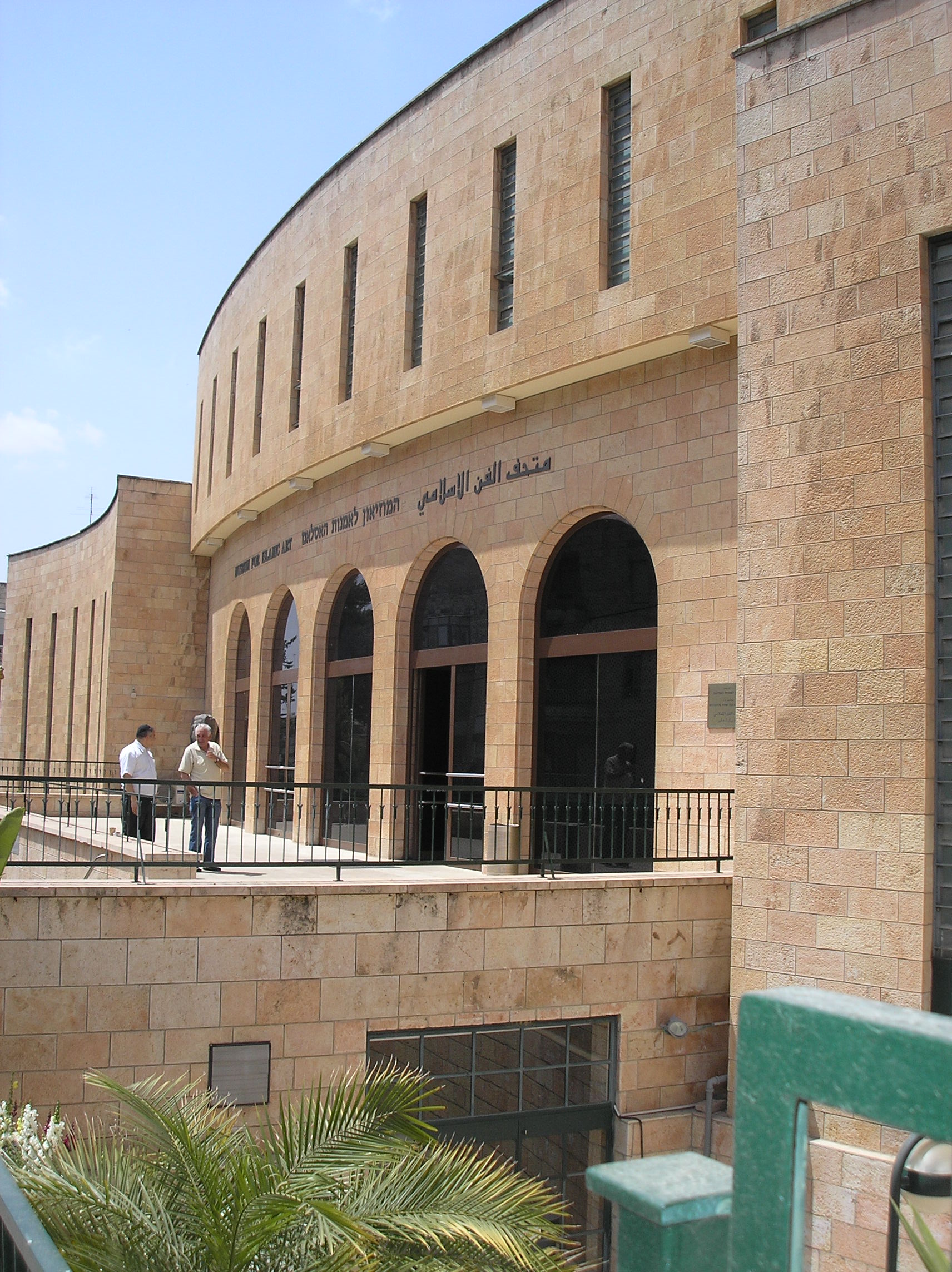
The L. A. Mayer Museum for Islamic Art is a cultural institution located in the Katamon neighborhood of Jerusalem. Established in 1974, the museum houses an extensive collection of Islamic art spanning from the 7th to the 19th centuries, including ceramics, textiles, jewelry, metalwork, and rare manuscripts. The collection was initiated by Vera Bryce Salomons in memory of Professor Leo Aryeh Mayer, a prominent scholar of Islamic art and archaeology.
The museum is also home to the renowned Sir David Salomons watch collection, one of the most significant horological collections in the world. The facility serves as a center for interdisciplinary research and cultural dialogue, hosting rotating exhibitions that explore the intersection of Islamic history, art, and contemporary regional identity.
Key Facts
- Materials
- Concrete, Glass, Stone
- Civilization
- Islamic
- Accessibility
- Fully wheelchair accessible
- Date(s)
- 1974
- Condition
- Active
- Original Function
- Museum
- Key Figures
- Leo Aryeh Mayer, Vera Bryce Salomons, David Salomons
Founding and Vision
1960s-1974The museum was founded by Vera Bryce Salomons to honor the legacy of Professor Leo Aryeh Mayer, who served as the rector of the Hebrew University of Jerusalem. The institution was designed to preserve and display the vast collection of Islamic artifacts Mayer had studied throughout his career.
Expansion of Collections
1970s-1990sFollowing its opening, the museum expanded its holdings significantly, incorporating the Sir David Salomons watch collection. This addition established the museum as a unique venue combining historical Islamic decorative arts with European horological craftsmanship.
Modern Development
2000s-PresentIn recent decades, the museum has focused on educational outreach and temporary exhibitions that bridge cultural divides. It continues to function as a primary research facility for scholars of Islamic art in the Middle East.
Cultural Significance
The museum plays a vital role in the cultural landscape of Jerusalem by providing a dedicated space for the study and appreciation of Islamic heritage. It serves as a bridge between diverse communities, emphasizing the historical contributions of Islamic civilizations to global art and science.
Interpretive Notes
Scholarly debates and areas of uncertainty
Discussions within the museum community often center on the challenges of contextualizing Islamic art within a non-Islamic majority state, and the ongoing efforts to balance the display of traditional religious artifacts with the museum's secular educational mission.
Visiting Information
Entry Rules
Open daily. Tickets can be purchased at the entrance or via the official website. Modest dress is recommended but not strictly enforced. Security screening is mandatory for all visitors.
Best Times to Visit
Weekday mornings are generally quieter. The museum is a popular destination for school groups during the academic year.
Photography
Personal photography is permitted without flash or tripods. Professional photography requires prior authorization from the museum administration.
Preservation Notes
Visitors are requested not to touch display cases or artifacts. Climate control is strictly maintained to preserve delicate textiles and manuscripts; please refrain from bringing food or drink into the galleries.
Nearby POIs
11 shownSources & Further Reading
- [1]The L. A. Mayer Museum for Islamic Art: A Guide to the Collection — Rachel Hasson. L. A. Mayer Museum for Islamic Art (2005)
- [2]Islamic Art in the Holy Land — Various Contributors. Israel Exploration Journal (2012)
Key Facts
- Materials
- Concrete, Glass, Stone
- Civilization
- Islamic
- Accessibility
- Fully wheelchair accessible
- Date(s)
- 1974
- Condition
- Active
- Original Function
- Museum
- Key Figures
- Leo Aryeh Mayer, Vera Bryce Salomons, David Salomons