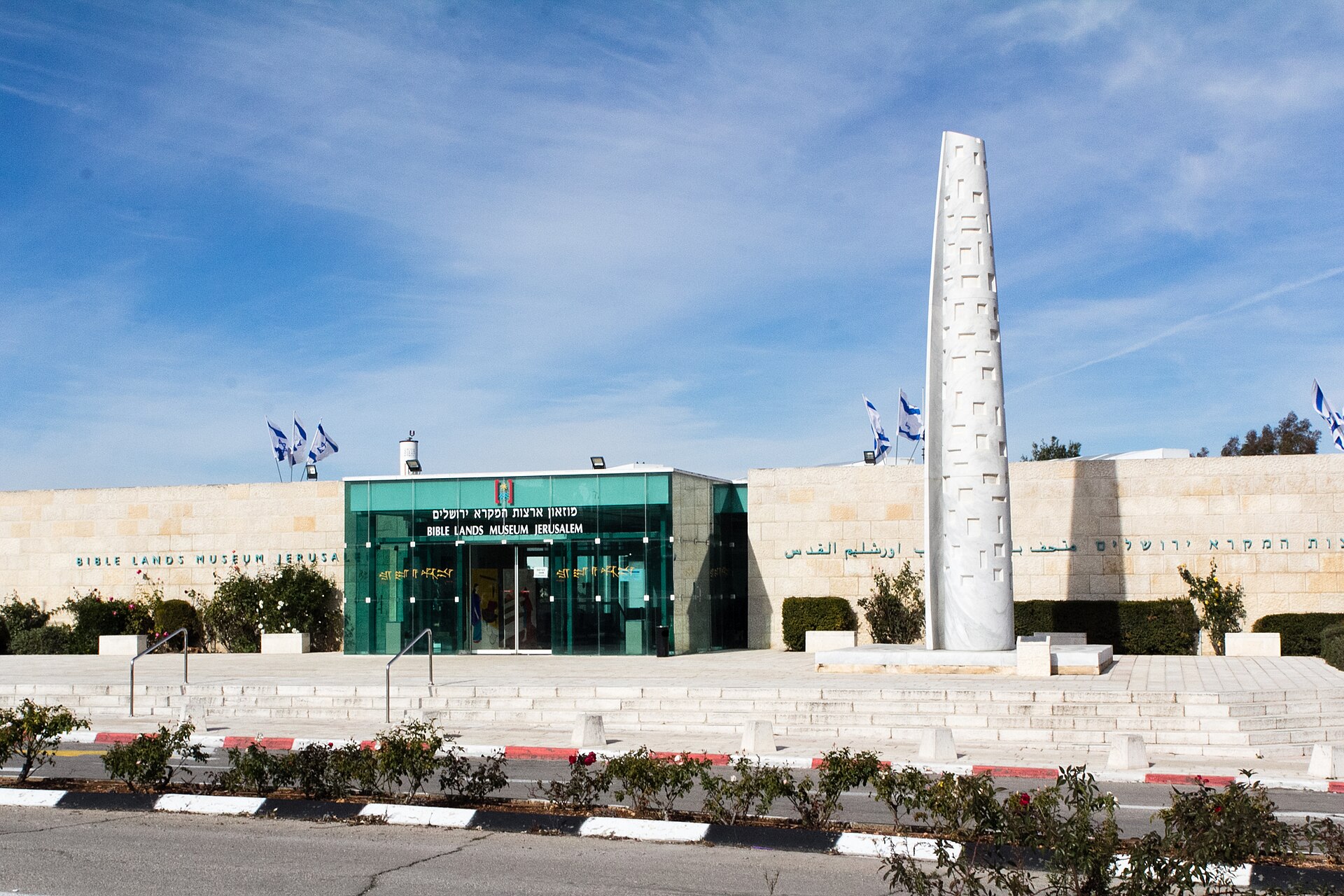
The Bible Lands Museum Jerusalem is an archaeological museum dedicated to the history of the ancient Near East. Established in 1992 by Elie Borowski, the institution houses an extensive collection of artifacts that provide context to the cultures and civilizations mentioned in the Hebrew Bible. The exhibits are arranged chronologically and geographically, illustrating the interconnectedness of ancient societies including the Egyptians, Canaanites, Hittites, and Persians.
The museum's collection focuses on the material culture of the Levant and surrounding regions from the prehistoric period through the Byzantine era. By displaying tools, pottery, seals, and statuary, the museum aims to bridge the gap between biblical narratives and the historical reality of the ancient world, offering a comprehensive view of the daily lives, religious practices, and political developments of the peoples who inhabited the region.
Key Facts
- Materials
- Concrete, Glass, Steel
- Civilization
- Ancient Near Eastern
- Accessibility
- Fully wheelchair accessible
- Date(s)
- 1992
- Condition
- Active
- Original Function
- Museum
- Key Figures
- Elie Borowski, Batya Borowski
Founding and Collection
1992The museum was founded by Elie Borowski, a Holocaust survivor and antiquities collector, to house his private collection. The building was designed to provide a scholarly environment for the study of the ancient Near East.
Expansion and Scholarly Focus
1992-PresentSince its opening, the museum has expanded its educational programs and temporary exhibitions. It serves as a research center for archaeologists and historians studying the intersection of biblical history and regional archaeology.
Cultural Significance
The museum plays a significant role in the cultural landscape of Jerusalem by contextualizing the biblical narrative within the broader framework of ancient Near Eastern history. It serves as an educational resource for understanding the diverse cultural influences that shaped the region, emphasizing the shared heritage of the various civilizations that interacted in the Levant.
Interpretive Notes
Scholarly debates and areas of uncertainty
Debates often center on the interpretation of specific artifacts in relation to biblical texts. Scholars frequently discuss the extent to which archaeological findings can definitively confirm or refute specific historical accounts found in the Bible, as well as the challenges of interpreting material culture in the absence of written records for certain periods.
Visiting Information
Entry Rules
Open Sunday through Thursday with varying hours; closed on certain Jewish holidays. Tickets can be purchased at the entrance or online. Security screening is mandatory for all visitors.
Best Times to Visit
Weekday mornings are generally quieter, allowing for a more focused viewing of the exhibits. The museum is a suitable indoor activity during the hot summer months or rainy winter days.
Photography
Personal photography is permitted for non-commercial use without flash. Tripods and selfie sticks are prohibited.
Preservation Notes
Visitors are requested not to touch the artifacts or display cases. Maintain a quiet demeanor to respect the museum environment.
Nearby POIs
11 shownSources & Further Reading
- [1]The Bible Lands Museum Jerusalem: A Guide to the Collection — Joan Goodnick Westenholz. Bible Lands Museum Jerusalem (2000)
- [2]Elie Borowski: A Life of Passion for the Ancient World — Batya Borowski. Bible Lands Museum Jerusalem (2005)
Key Facts
- Materials
- Concrete, Glass, Steel
- Civilization
- Ancient Near Eastern
- Accessibility
- Fully wheelchair accessible
- Date(s)
- 1992
- Condition
- Active
- Original Function
- Museum
- Key Figures
- Elie Borowski, Batya Borowski