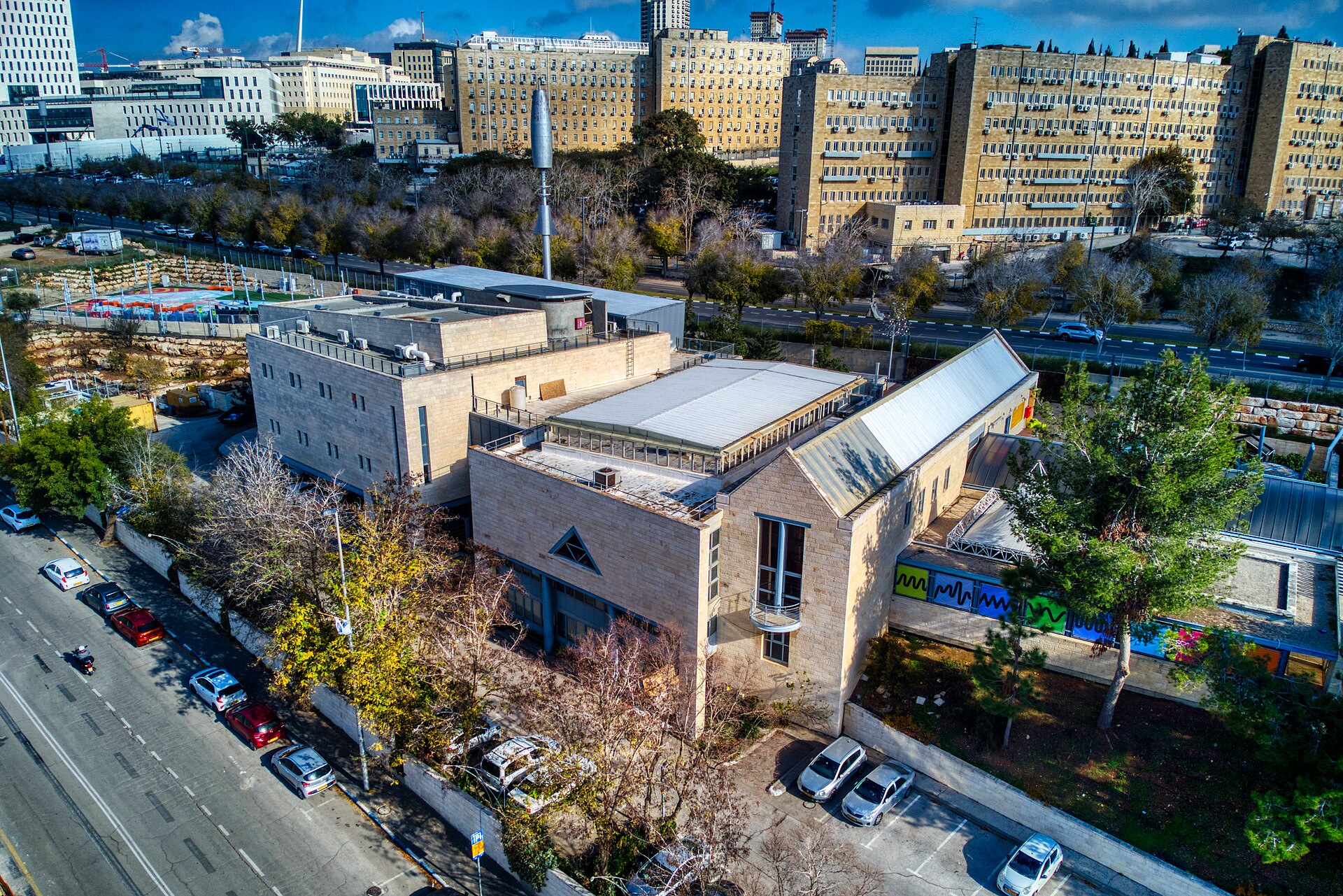
The Bloomfield Science Museum in Jerusalem is a major cultural and educational institution dedicated to the promotion of science and technology through interactive engagement. Located near the Hebrew University of Jerusalem, the museum serves as a hub for informal science education, offering a wide array of hands-on exhibits that explore physics, biology, chemistry, and digital technology.
The museum's facility includes both indoor galleries and outdoor exhibition spaces, designed to encourage curiosity among visitors of all ages. It frequently hosts temporary exhibitions, workshops, and science demonstrations, functioning as a bridge between academic research and the general public in the Jerusalem region.
Key Facts
- Materials
- Concrete, Glass, Steel
- Civilization
- Modern Israel
- Accessibility
- Fully wheelchair accessible
- Date(s)
- 1992
- Condition
- Active and operational
- Original Function
- Science and technology museum
- Key Figures
- Nira Bloomfield, Eliezer Bloomfield
Establishment
1992The museum was founded in 1992 by Nira and Eliezer Bloomfield, with the goal of creating a space in Jerusalem where the public could engage with scientific concepts through direct experimentation.
Expansion and Development
2000sThroughout the early 2000s, the museum expanded its footprint and pedagogical scope, integrating more digital media and collaborative projects with the nearby Hebrew University to keep pace with rapid technological advancements.
Contemporary Role
PresentToday, the museum continues to serve as a primary educational resource for schools and families, focusing on STEM education and the integration of scientific literacy into the cultural fabric of Jerusalem.
Cultural Significance
The Bloomfield Science Museum plays a vital role in the educational landscape of Jerusalem, fostering a culture of inquiry and scientific literacy. By providing a neutral, interactive space, it serves a diverse demographic, bridging gaps between different sectors of Israeli society through the universal language of science.
Interpretive Notes
Scholarly debates and areas of uncertainty
There is ongoing discussion among museum educators regarding the balance between 'edutainment' and rigorous scientific instruction in interactive museum environments, specifically concerning how to maintain high educational standards while ensuring broad accessibility.
Visiting Information
Entry Rules
Open daily with varying hours. Tickets can be purchased online or at the entrance. Modest dress is recommended as a general courtesy in Jerusalem, though no specific dress code is enforced for entry.
Best Times to Visit
Weekday mornings are generally quieter, as afternoons and weekends are heavily frequented by school groups and families.
Photography
Personal photography is permitted throughout the museum. Professional filming or commercial photography requires prior coordination with the museum administration.
Preservation Notes
Visitors are encouraged to handle exhibits with care to ensure the longevity of the interactive components. Please follow all posted safety instructions for specific mechanical or electrical displays.
Nearby POIs
11 shownSources & Further Reading
- [1]
- [2]Science Museums in Israel: A Historical Overview — D. H. Cohen. Journal of Science Education (2015)
Key Facts
- Materials
- Concrete, Glass, Steel
- Civilization
- Modern Israel
- Accessibility
- Fully wheelchair accessible
- Date(s)
- 1992
- Condition
- Active and operational
- Original Function
- Science and technology museum
- Key Figures
- Nira Bloomfield, Eliezer Bloomfield