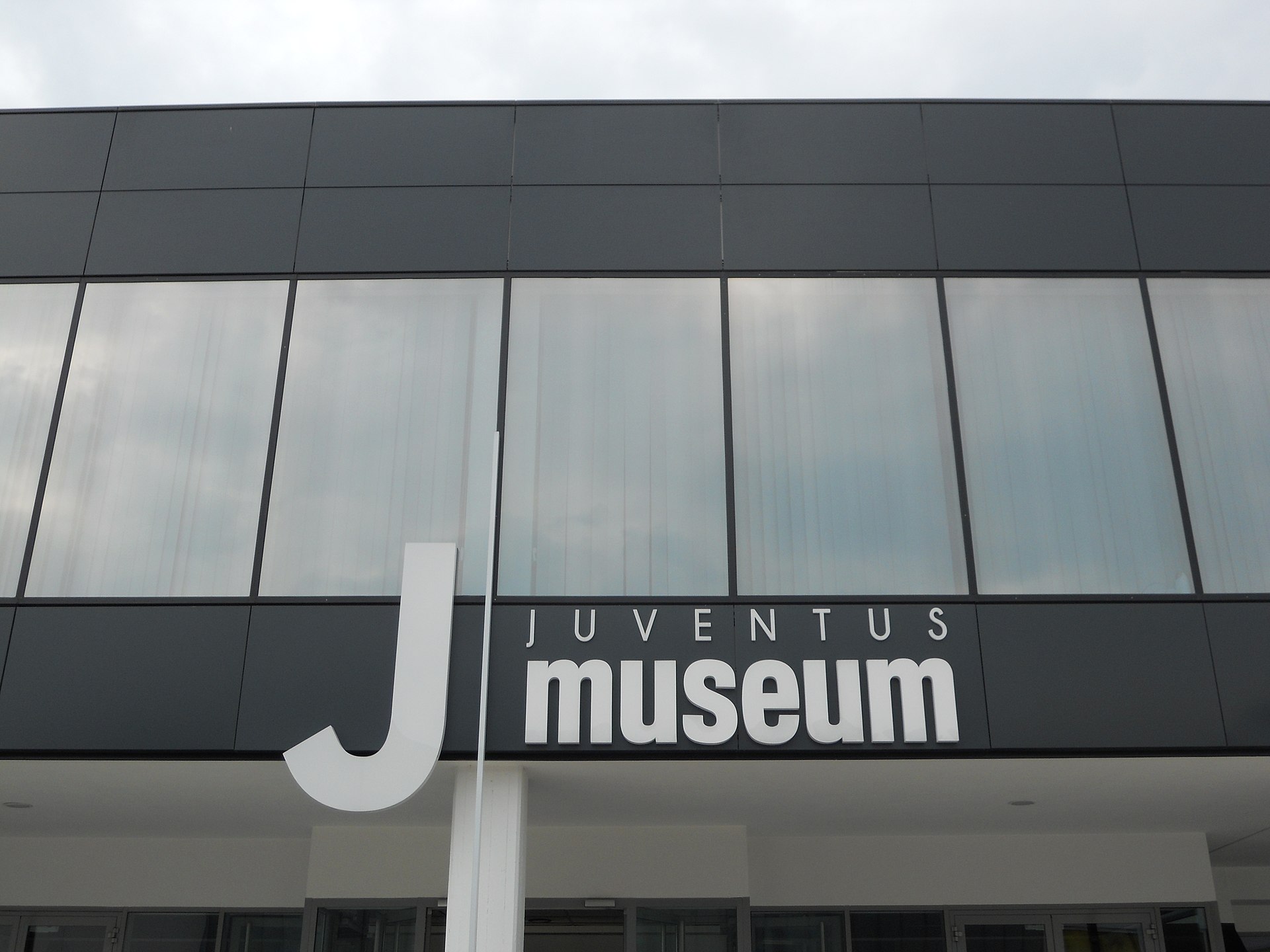
The Juventus Museum, known as J-Museum, is a modern exhibition space located in Turin, Italy, dedicated to the history and cultural impact of the Juventus Football Club. Opened in 2012, the museum utilizes advanced multimedia technology and interactive displays to chronicle the club's evolution from its founding in 1897 to its current status as a global sporting institution.
The two-story facility houses an extensive collection of memorabilia, including historical jerseys, trophies, and personal artifacts of legendary players. It serves as a central hub for the club's fan base, documenting not only athletic achievements but also the club's deep-rooted connection to the industrial and social history of the Piedmont region.
Key Facts
- Materials
- Glass, Steel, Multimedia projection systems
- Civilization
- Italian
- Accessibility
- Fully wheelchair accessible
- Date(s)
- 2012
- Condition
- Active, well-maintained
- Original Function
- Sports museum
- Key Figures
- Edoardo Agnelli, Giampiero Boniperti, Alessandro Del Piero
Foundation and Early Years
1897-1920sJuventus was founded by a group of students from the Massimo d'Azeglio Lyceum in Turin. The museum documents the club's early struggles and its eventual transition into a professional organization under the ownership of the Agnelli family.
The Golden Eras
1930s-1990sThis section covers the club's dominance in Italian football, highlighting the 'Quinquennio d'Oro' of the 1930s and the international successes of the late 20th century, including the UEFA Champions League victories.
Museum Inauguration
2012The J-Museum was officially opened on May 16, 2012, as part of the broader development of the Allianz Stadium complex. It was designed to provide a high-tech, immersive experience for visitors, moving away from traditional static displays.
Cultural Significance
The museum represents the intersection of sports and regional identity in Turin. As one of the most supported clubs in Italy, Juventus is deeply intertwined with the history of the FIAT industrial complex and the migration patterns that shaped the city during the 20th century. The museum acts as a repository for this collective memory, reinforcing the club's role as a cultural pillar in Italian society.
Interpretive Notes
Scholarly debates and areas of uncertainty
Discussions surrounding the museum often focus on the commercialization of sports heritage and the extent to which corporate-owned museums can provide an objective historical narrative versus a curated brand experience.
Visiting Information
Entry Rules
Open daily except Tuesdays. Tickets can be purchased online or at the museum entrance. Visitors are encouraged to check the official website for match-day schedule changes.
Best Times to Visit
Weekdays during the morning to avoid weekend crowds and match-day congestion.
Photography
Personal photography is permitted for non-commercial use. Flash photography and tripods are prohibited.
Preservation Notes
Exhibits are climate-controlled to preserve delicate textiles and paper artifacts. Please refrain from touching display cases.
Nearby POIs
11 shown- Reggia di Venaria Reale2.8 km
- Museo d'Arte Orientale, MAO5.4 km
- Porta Palatina5.7 km
- Palazzo Reale di Torino5.9 km
- Palazzo Madama6 km
- Museo Egizio6.2 km
- Palazzo Carignano6.2 km
- Museo Nazionale del Cinema6.6 km
- Chiesa della Gran Madre di Dio7.5 km
- Chiesa di Santa Maria del Monte dei Cappuccini7.6 km
- Borgo Medioevale8 km
Sources & Further Reading
- [1]Juventus: A History in Black and White — Adam Digby. Pitch Publishing (2015)
- [2]The Business of Football: A Study of Italian Clubs — John Foot. Bloomsbury Academic (2019)
Key Facts
- Materials
- Glass, Steel, Multimedia projection systems
- Civilization
- Italian
- Accessibility
- Fully wheelchair accessible
- Date(s)
- 2012
- Condition
- Active, well-maintained
- Original Function
- Sports museum
- Key Figures
- Edoardo Agnelli, Giampiero Boniperti, Alessandro Del Piero
Nearby POIs
11 shown- Reggia di Venaria Reale2.8 km
- Museo d'Arte Orientale, MAO5.4 km
- Porta Palatina5.7 km
- Palazzo Reale di Torino5.9 km
- Palazzo Madama6 km
- Museo Egizio6.2 km
- Palazzo Carignano6.2 km
- Museo Nazionale del Cinema6.6 km
- Chiesa della Gran Madre di Dio7.5 km
- Chiesa di Santa Maria del Monte dei Cappuccini7.6 km
- Borgo Medioevale8 km