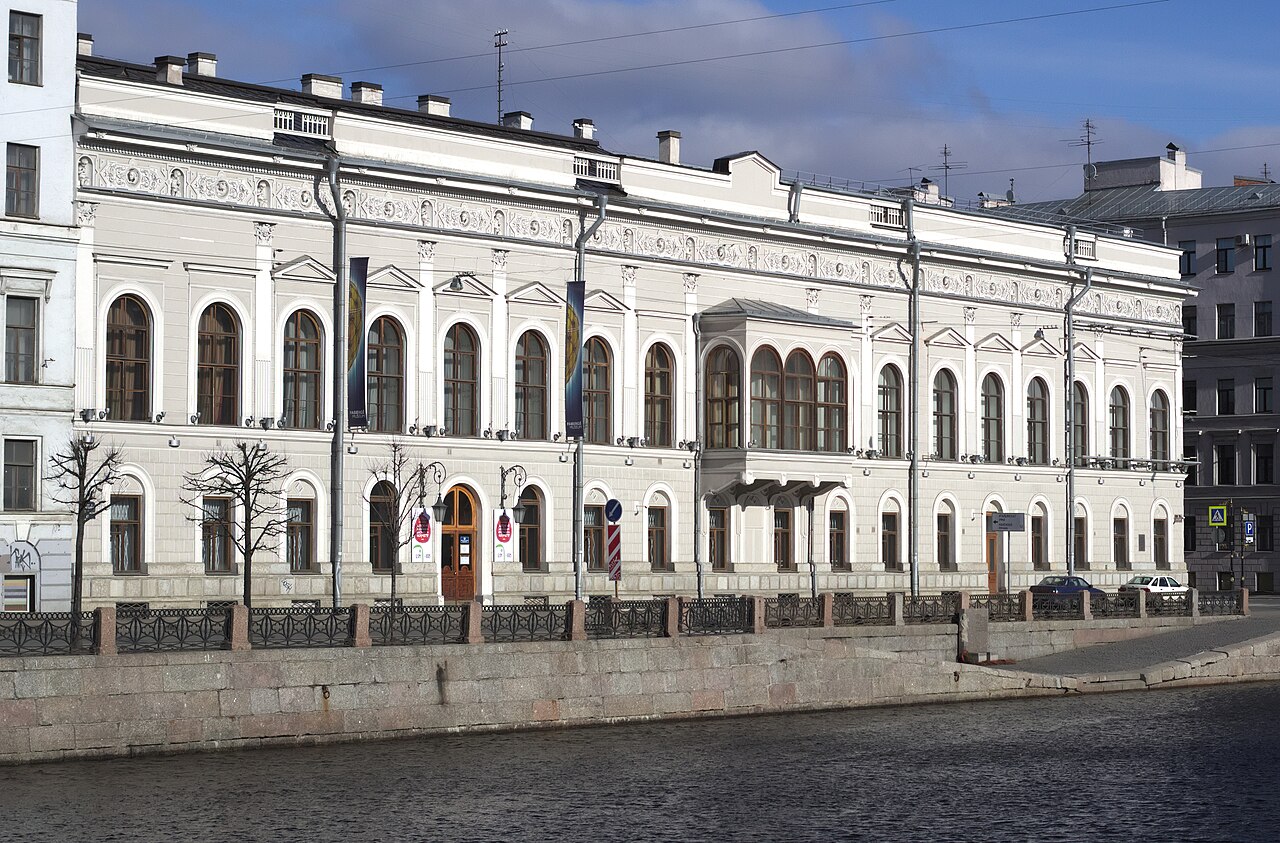
The Fabergé Museum is located in the Shuvalov Palace on the Fontanka River embankment in Saint Petersburg. It houses a vast collection of Russian decorative and fine arts, most notably the world's largest collection of works by the jeweler Peter Carl Fabergé, including nine of the famous Imperial Easter eggs created for the last two Russian Tsars.
The museum was established by the Link of Times cultural and historical foundation to repatriate lost Russian cultural treasures. The collection spans various media, including gold and silver items, porcelain, paintings, and icons, reflecting the opulence of the Russian imperial court and the technical mastery of late 19th and early 20th-century craftsmanship.
Key Facts
- Materials
- Gold, Silver, Enamel, Gemstones, Porcelain
- Civilization
- Russian Empire
- Accessibility
- Wheelchair accessible with elevator access to exhibition halls
- Date(s)
- 1780s (Palace), 2013 (Museum)
- Condition
- Fully restored and active museum
- Original Function
- Private residence (Shuvalov Palace)
- Key Figures
- Peter Carl Fabergé, Viktor Vekselberg, Shuvalov family
The Shuvalov Palace
18th-19th CenturyThe building was originally constructed in the late 18th century as a private residence for the Vorontsov family, later passing to the Naryshkin and Shuvalov families. It served as a prominent venue for social gatherings and cultural events in Saint Petersburg.
Soviet Era and Decline
20th CenturyFollowing the Russian Revolution, the palace was nationalized and repurposed for various state functions, including a printing house and a research institute. During this period, the building suffered significant structural neglect and loss of its original interior decor.
Restoration and Founding
2006-2013The Link of Times foundation undertook a comprehensive seven-year restoration project to return the palace to its former grandeur. The museum officially opened to the public in 2013, housing the collection acquired by Viktor Vekselberg from the Forbes family.
Cultural Significance
The museum serves as a critical repository for Russian decorative arts that were dispersed following the 1917 Revolution. By repatriating items from international collections, the museum plays a significant role in the preservation of Russian cultural heritage and the study of the Fabergé firm's influence on global luxury goods.
It also highlights the architectural history of Saint Petersburg, showcasing the restoration of aristocratic palaces that define the city's historic center.
Interpretive Notes
Scholarly debates and areas of uncertainty
Debates occasionally arise regarding the provenance of specific items within the collection, particularly those acquired during the post-Soviet transition period. Additionally, scholars continue to analyze the attribution of certain workshop pieces versus those personally overseen by Peter Carl Fabergé.
Visiting Information
Entry Rules
Open daily. Tickets can be purchased online or at the museum box office. Visitors must pass through a security checkpoint upon entry. Large bags and backpacks must be left in the cloakroom.
Best Times to Visit
Weekday mornings are generally quieter. The museum is popular with tour groups, so visiting during the off-season (winter months) provides a more intimate viewing experience.
Photography
Non-commercial photography is permitted without flash or tripods. Professional photography requires prior written authorization from the museum administration.
Preservation Notes
Do not touch display cases. Maintain a respectful distance from exhibits to ensure the safety of delicate enamel and metalwork. The museum maintains strict climate control; please follow staff instructions regarding movement through the galleries.
Nearby POIs
11 shownSources & Further Reading
- [1]Fabergé: The Imperial Eggs — Toby Faber. Pan Macmillan (2008)
- [2]The Fabergé Museum in Saint Petersburg: A Guide — Link of Times Foundation. Fabergé Museum Press (2014)
Key Facts
- Materials
- Gold, Silver, Enamel, Gemstones, Porcelain
- Civilization
- Russian Empire
- Accessibility
- Wheelchair accessible with elevator access to exhibition halls
- Date(s)
- 1780s (Palace), 2013 (Museum)
- Condition
- Fully restored and active museum
- Original Function
- Private residence (Shuvalov Palace)
- Key Figures
- Peter Carl Fabergé, Viktor Vekselberg, Shuvalov family