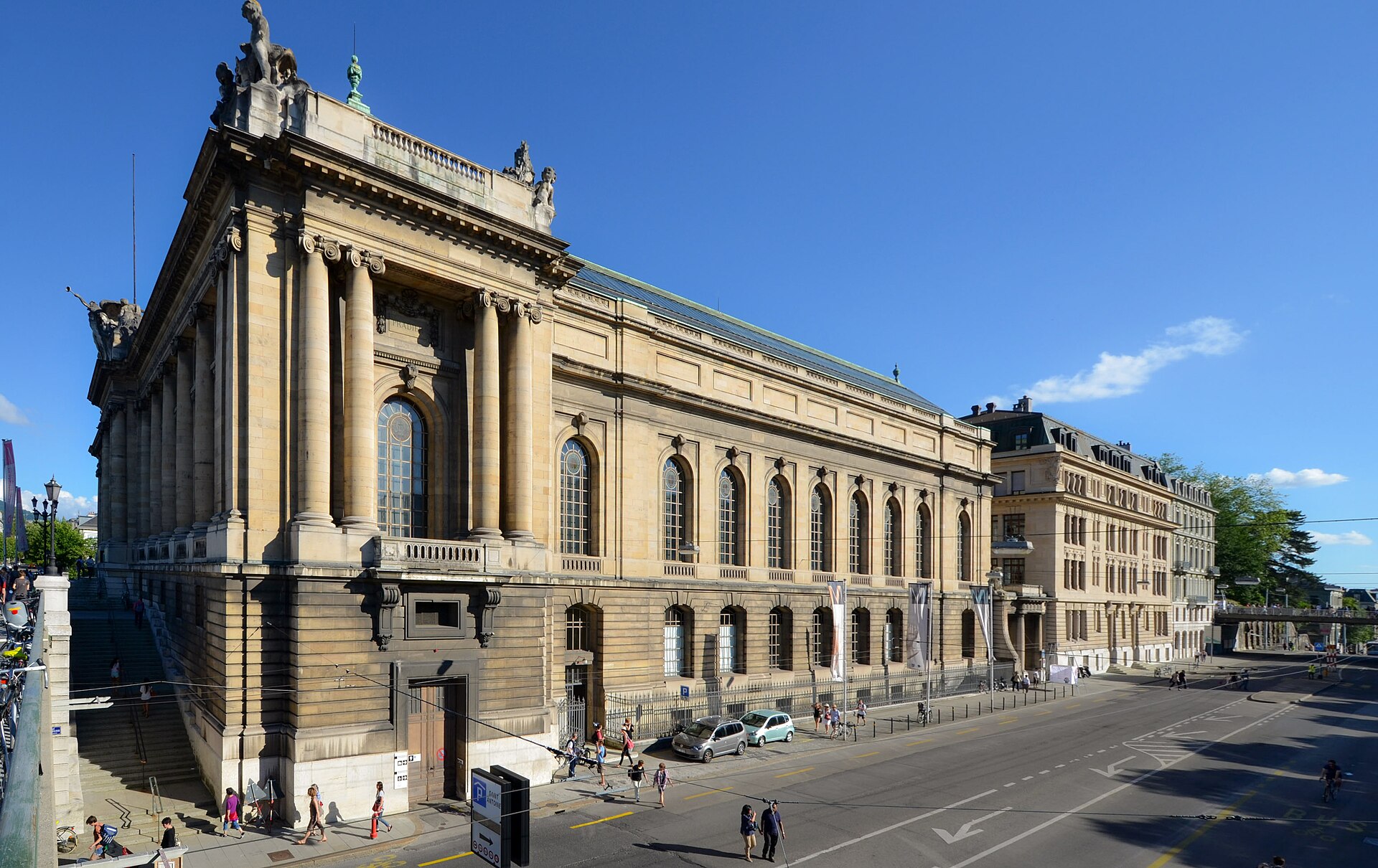
The Musée d'Art et d'Histoire (MAH) in Geneva is the city's largest multidisciplinary museum, housed in a monumental neoclassical building designed by architect Marc Camoletti. Completed in 1910, the structure was built to consolidate the city's disparate collections into a single institution, reflecting the civic pride and cultural ambitions of Geneva at the turn of the 20th century.
The museum's extensive holdings comprise over 650,000 objects, spanning fine arts, archaeology, and applied arts. Its collections provide a comprehensive overview of Western art history, ranging from prehistoric artifacts and Egyptian antiquities to significant works by Swiss and international masters, including Konrad Witz, Jean-Étienne Liotard, and Ferdinand Hodler.
Key Facts
- Materials
- Stone, Steel, Reinforced concrete
- Civilization
- Swiss
- Accessibility
- Fully accessible with elevators and ramps
- Date(s)
- 1903-1910
- Condition
- Well-preserved, active museum
- Original Function
- Museum
- Key Figures
- Marc Camoletti, Gustave Revilliod
Founding and Consolidation
19th centuryThe museum was established to unify several smaller collections previously scattered across Geneva. The project was significantly bolstered by the legacy of Gustave Revilliod, whose private collection formed a core part of the museum's initial holdings.
Architectural Design
1903-1910Architect Marc Camoletti won the competition to design the new building. He utilized a neoclassical style with a square floor plan organized around a central courtyard, intended to provide ample natural light and a logical flow for visitors.
Modern Expansion
20th century - presentThroughout the 20th century, the museum expanded its scope and underwent several interior renovations to modernize its display techniques. It remains the anchor of the MAH institution, which now manages several other sites across the city.
Cultural Significance
The Musée d'Art et d'Histoire serves as the primary repository of Geneva's cultural heritage. It plays a vital role in the city's educational landscape, offering a broad perspective on the evolution of art and human history. The museum is a central pillar of Geneva's identity, bridging the gap between local Swiss history and broader European artistic movements.
Interpretive Notes
Scholarly debates and areas of uncertainty
Ongoing discussions within the museum community focus on the decolonization of collections and the provenance of certain antiquities. Scholars also debate the best methods for integrating digital technology into the display of traditional fine arts without detracting from the historical atmosphere of the neoclassical building.
Visiting Information
Entry Rules
Open Tuesday through Sunday. Permanent collections are generally free to the public, while temporary exhibitions may require a ticket. Visitors are encouraged to check the official website for current opening hours and special exhibition fees.
Best Times to Visit
Weekday mornings are typically the quietest times to visit. The museum is often busier on weekends and during school holidays.
Photography
Non-commercial photography is permitted in the permanent collection galleries without flash. Photography may be restricted in specific temporary exhibitions due to copyright agreements.
Preservation Notes
Maintain a respectful distance from all artifacts. Large bags and umbrellas must be stored in the provided lockers. Food and drink are strictly prohibited within the galleries.
Nearby POIs
10 shownSources & Further Reading
- [1]Musée d'Art et d'Histoire: Guide des collections — Jean-Hubert Martin. Musées d'art et d'histoire de Genève (2010)
- [2]L'architecture des musées en Suisse — Bernhard Furrer. Editions Infolio (2015)
Key Facts
- Materials
- Stone, Steel, Reinforced concrete
- Civilization
- Swiss
- Accessibility
- Fully accessible with elevators and ramps
- Date(s)
- 1903-1910
- Condition
- Well-preserved, active museum
- Original Function
- Museum
- Key Figures
- Marc Camoletti, Gustave Revilliod