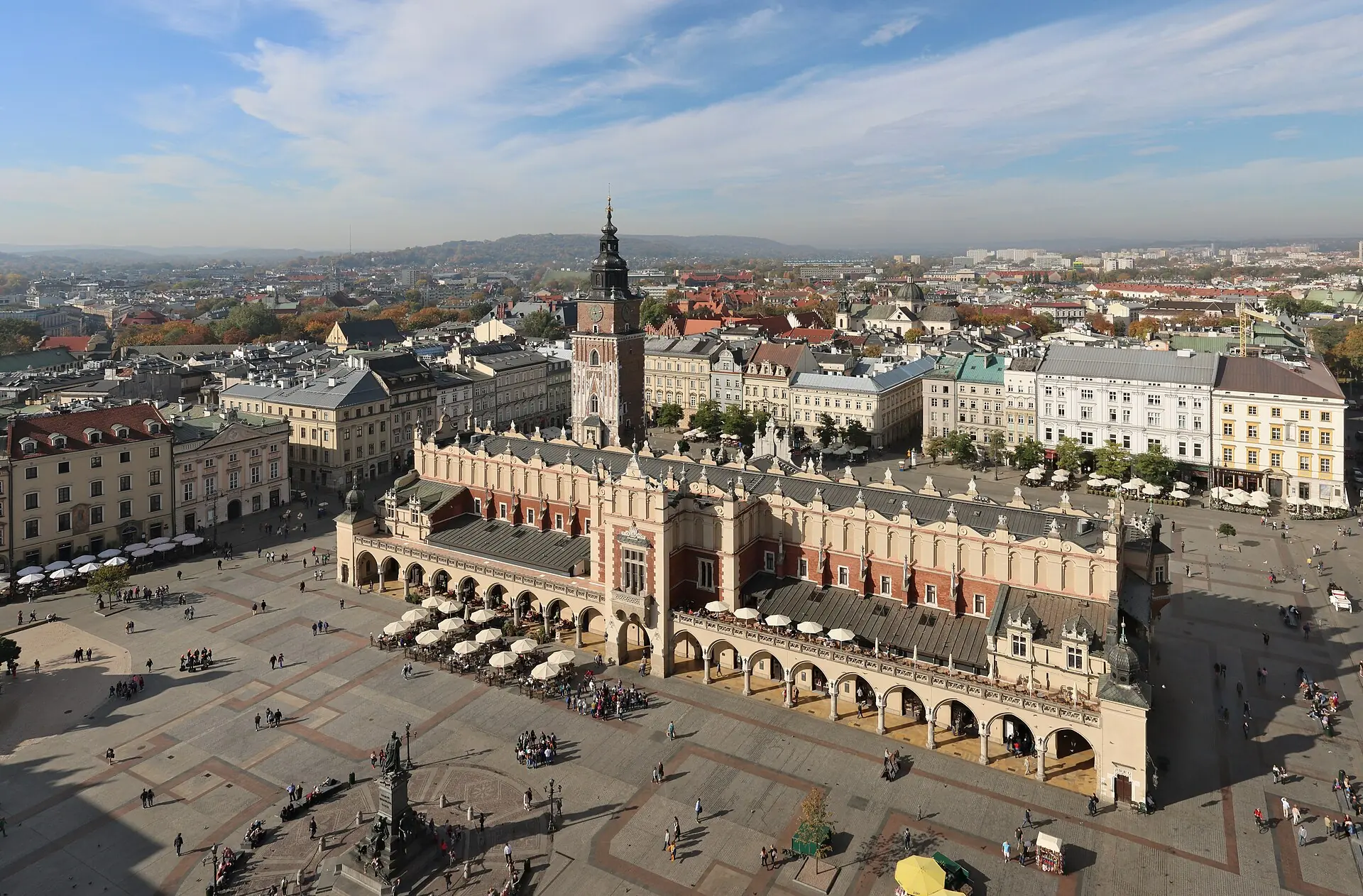
Krakow
Kraków is one of Poland’s oldest and most historically significant cities, situated on the Vistula River in southern Poland. For centuries it served as the capital of the Kingdom of Poland and was a major center of political power, commerce, religion, and scholarship. The city’s well-preserved medieval core and royal heritage have made it one of Central Europe’s most important cultural landscapes. Today, Kraków is a leading center for education, tourism, and culture, home to some of Poland’s most prominent universities, museums, and historic monuments. Its Old Town, Wawel Hill, and nearby cultural sites reflect the city's enduring importance in Polish and European history.
Early Settlement and Medieval Rise
Prehistory–14th centuryThe Kraków area has been inhabited since prehistoric times, with the city emerging as an important settlement during the early medieval period. By the 11th century, Kraków had become a major political and ecclesiastical center of the Polish state. Following the Mongol invasions of the 13th century, the city was rebuilt under Magdeburg Law and developed into a prosperous commercial hub.
Royal Capital of Poland
14th–16th centuriesUnder the Jagiellonian dynasty, Kraków experienced a golden age as the capital of the Kingdom of Poland. Wawel Castle became the seat of Polish monarchs, while the city flourished through trade, scholarship, and the influence of Kraków Academy, now Jagiellonian University.
From Commonwealth to Partition
16th–19th centuriesAlthough the royal court moved to Warsaw in the late 16th century, Kraków remained a symbol of Polish national identity. The city later came under Austrian rule following the partitions of Poland and served as an important center of Polish culture and intellectual life during the 19th century.
War, Occupation, and Preservation
20th centuryDuring World War II, Kraków was occupied by Nazi Germany and became the administrative center of the General Government. The city's Jewish community suffered devastating losses during the Holocaust. Unlike many Polish cities, however, Kraków escaped widespread wartime destruction, preserving much of its historic architecture.
Contemporary Kraków
Late 20th century–presentSince the fall of communism, Kraków has become one of Poland’s leading economic and cultural centers. Its historic districts, universities, and growing technology sector continue to attract residents, students, and visitors from around the world.
Notable POIs in Krakow
6 listed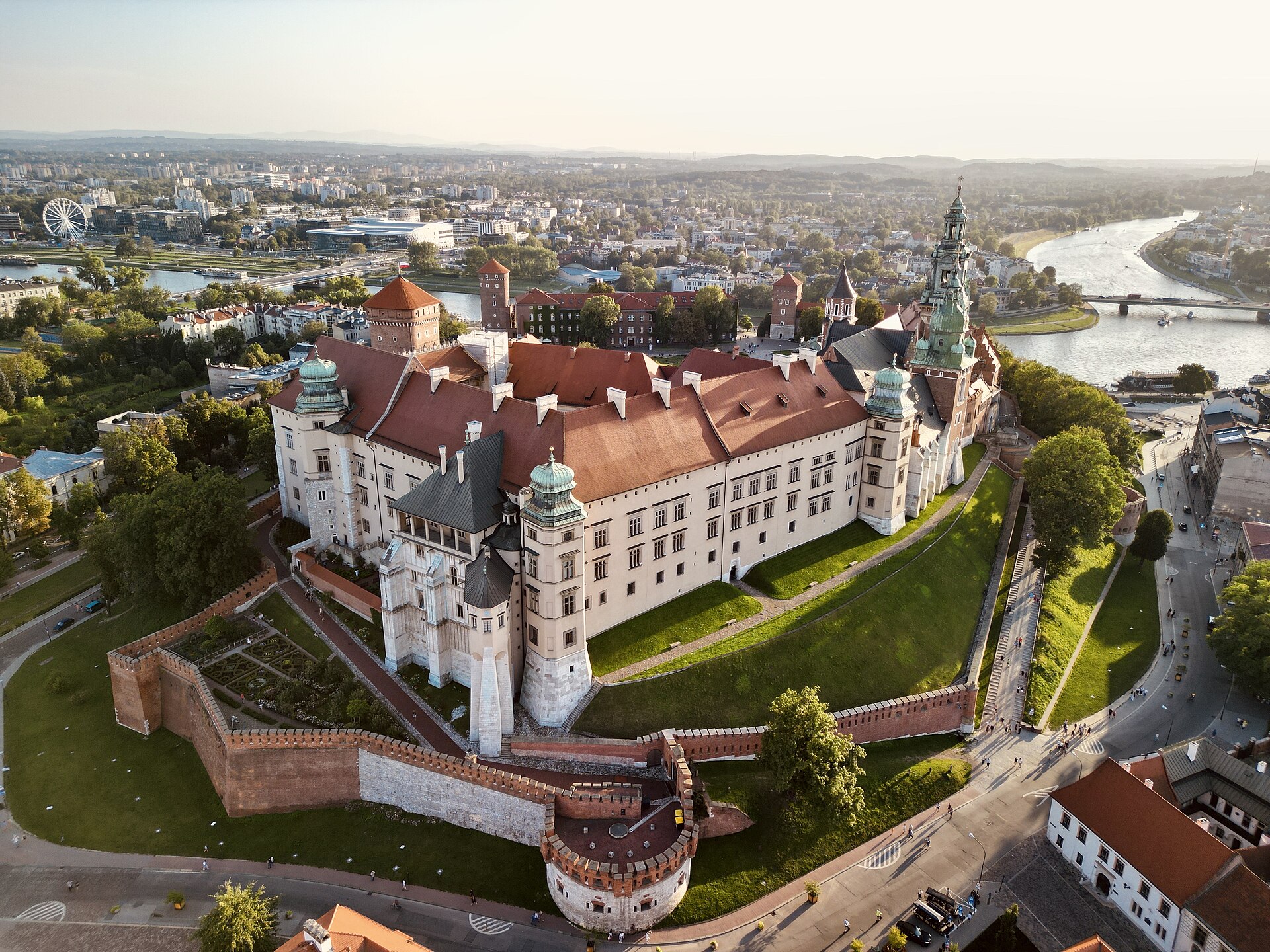
Zamek Krolewski na Wawelu
POIAdministrative complex and residence serving as the political and cultural center for several centuries, containing seventy-one exhibition halls that house five separate permanent collections, including the largest assembly of sixteenth-century tapestries in Europe.
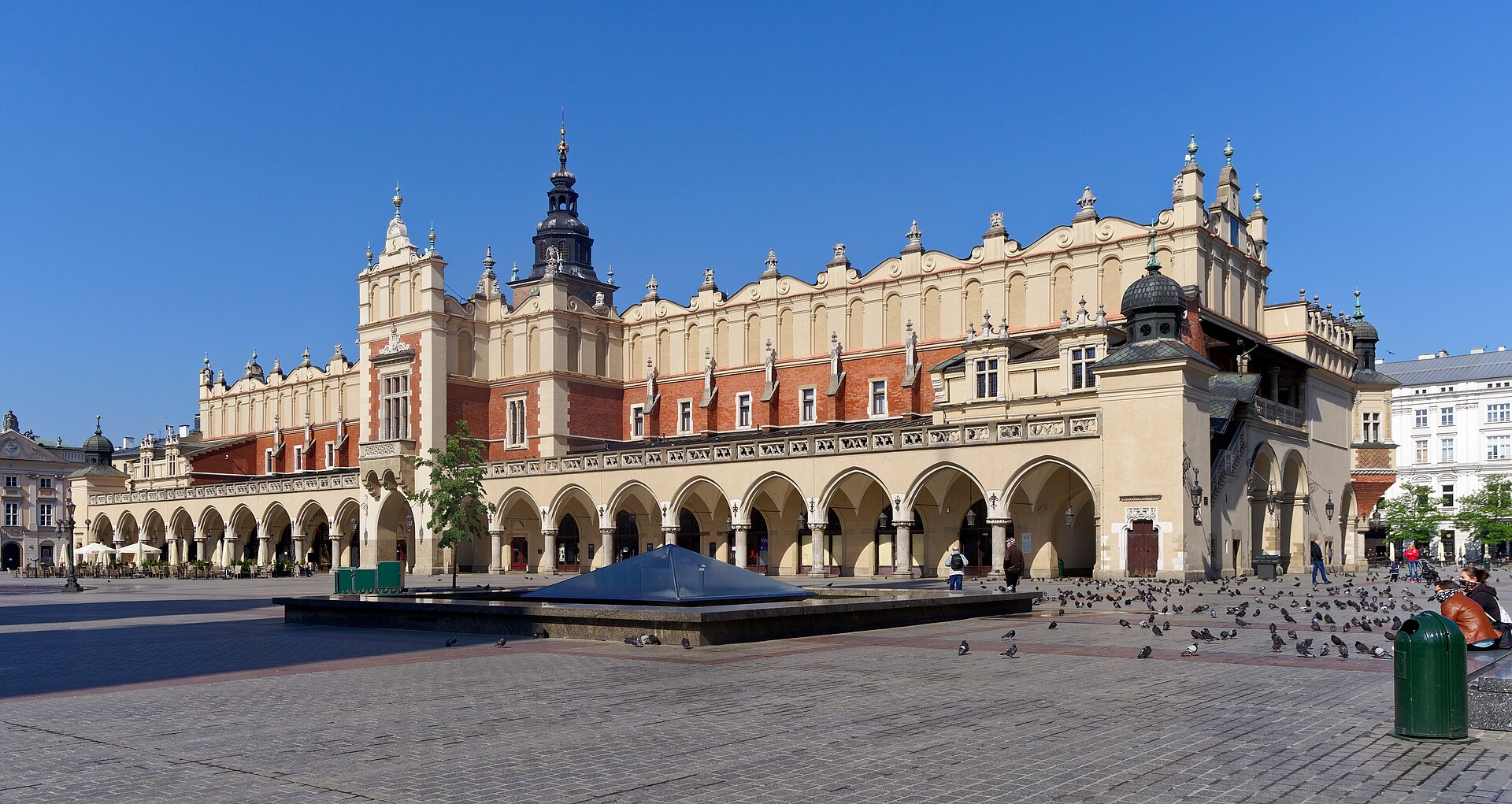
Sukiennice
POICommercial building serving as a primary center for international trade for seven centuries, containing two rows of twenty-six stalls used for the exchange of textiles, lead, and salt.
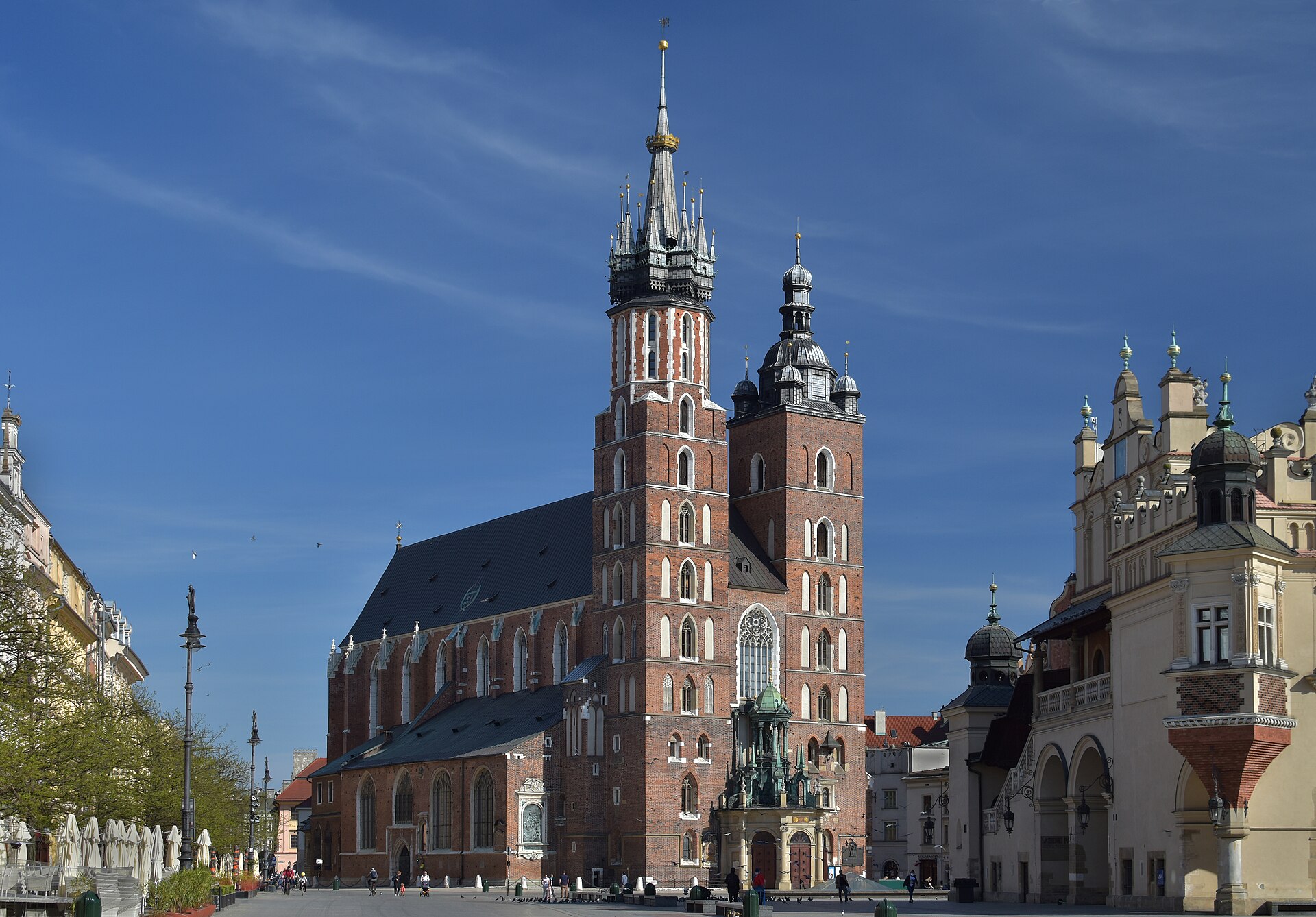
Church of the Assumption of the Blessed Virgin Mary
POIChurch housing a wooden altarpiece containing over two hundred carved figures, representing the largest Gothic altar of its type.
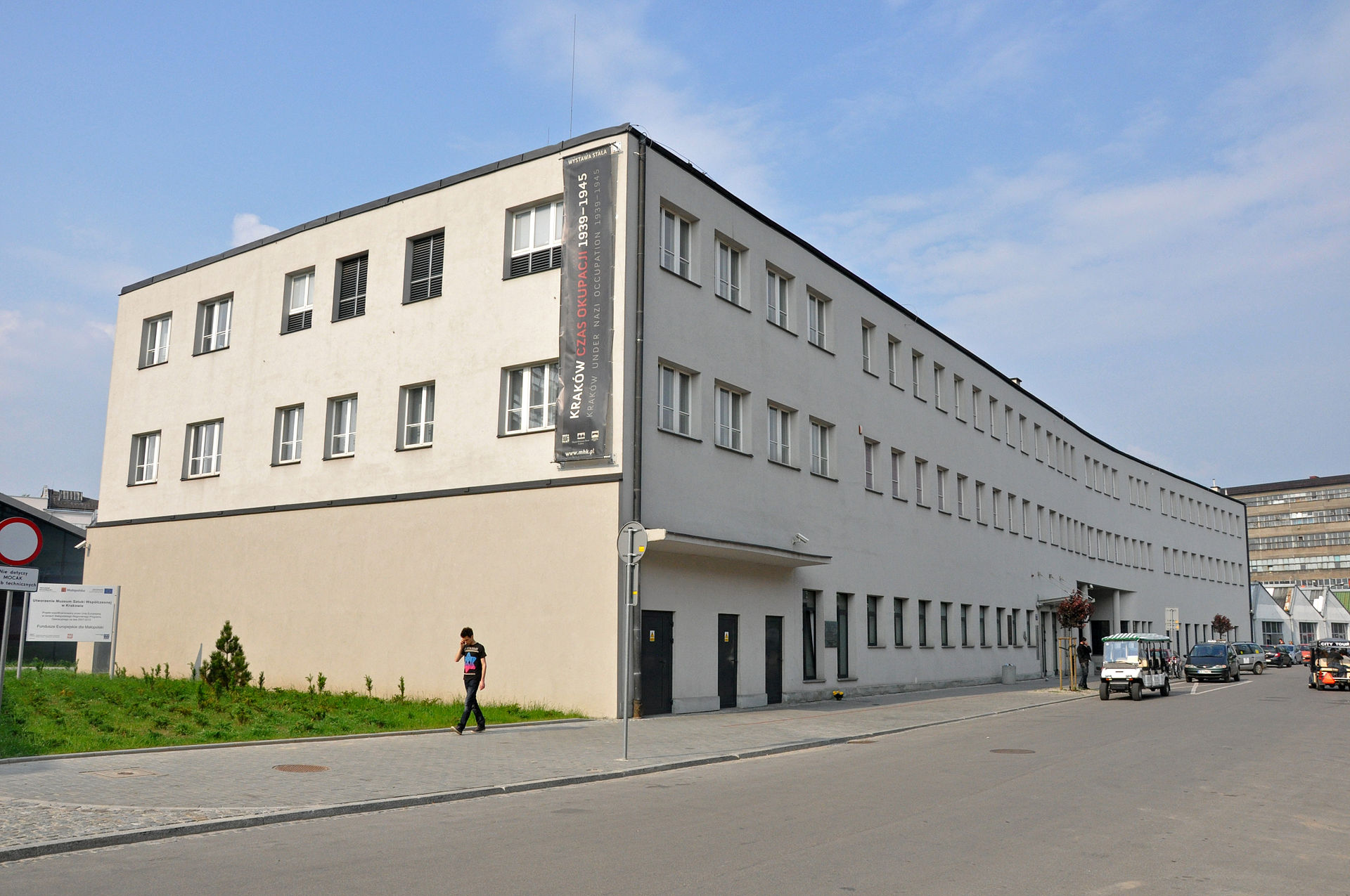
Oskar Schindler's Enamel Factory
POIMuseum housing documentation of the five-year occupation of a major city and the administrative records of an industrial facility where twelve hundred Jewish laborers were protected from deportation.

Barbakan
POIMilitary defensive outpost containing seven watchtowers and one hundred thirty embrasures, constructed by King John I Albert to protect the primary northern entrance of the city from Ottoman and Wallachian incursions.
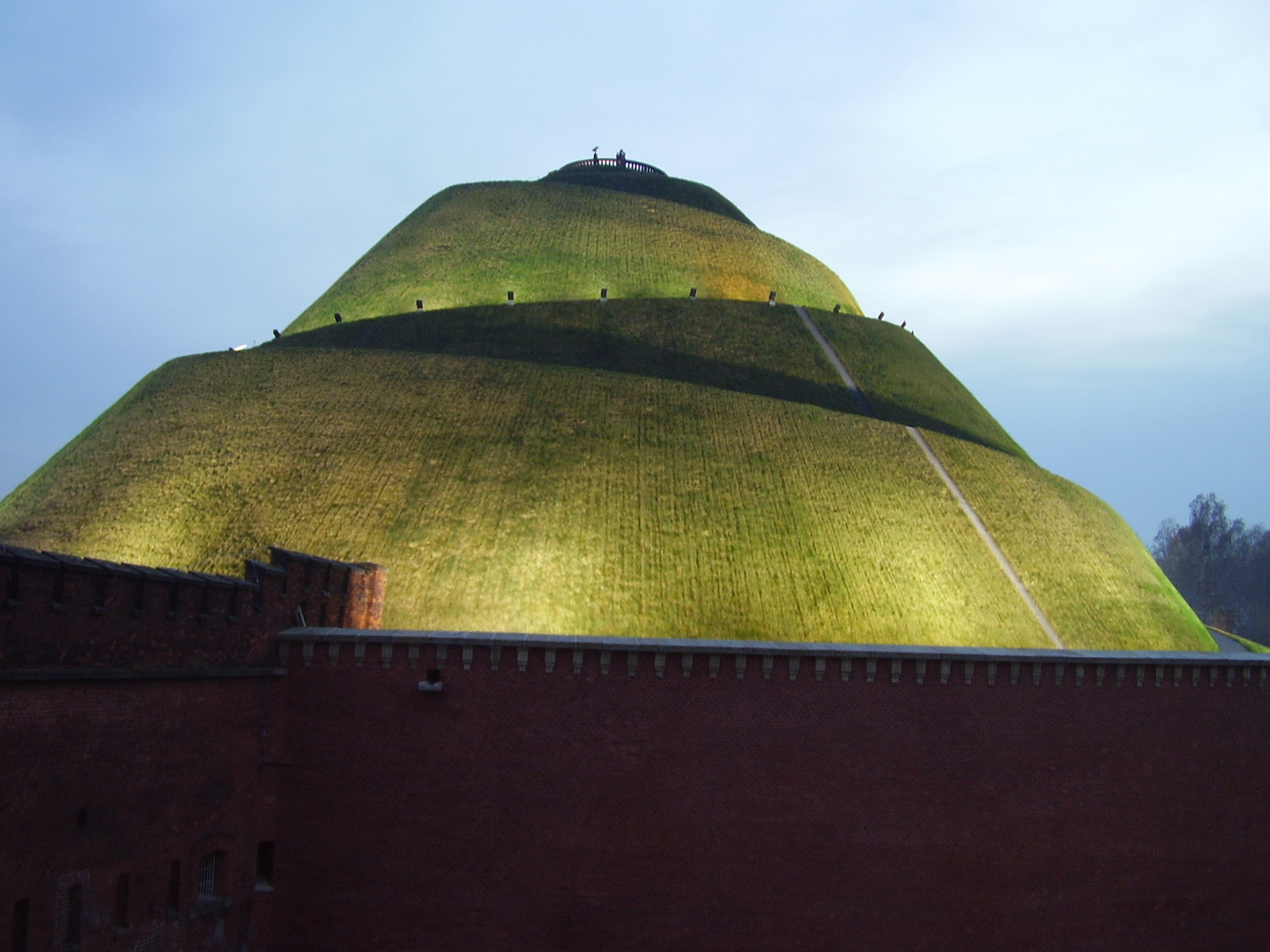
Kopiec Kosciuszki
POIMemorial mound constructed from thirty-six thousand cubic meters of soil brought from various historical battlefields to commemorate Polish national leader Tadeusz Kościuszko.
Sources & Further Reading
- [1]Krakow: A Historical and Cultural Guide — Jacek Purchla. International Cultural Centre (2018)
- [2]God's Playground: A History of Poland, Volume I — Norman Davies. Oxford University Press (2005)
- [3]The Oxford History of Poland-Lithuania — Robert I. Frost. Oxford University Press (2015)
- [4]Statistics Poland (GUS)View