Warsaw
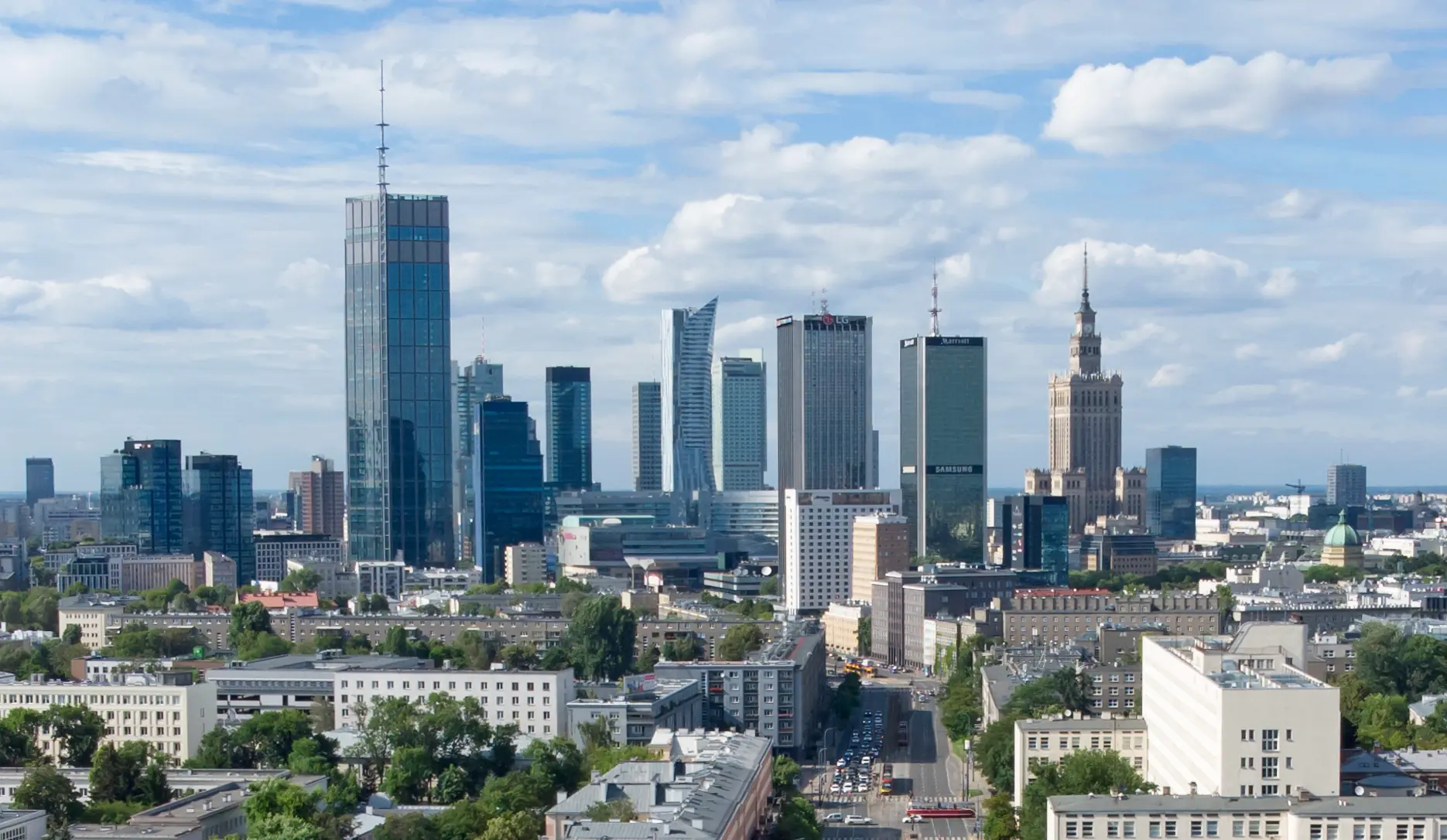
Warsaw is the capital and largest city of Poland, situated on the Vistula River in the country's east-central region. First emerging as a regional stronghold in the Middle Ages, it grew in prominence during the late medieval and early modern periods before becoming the capital of the Polish–Lithuanian Commonwealth in 1596. Its strategic location has made it a political, economic, and cultural center for centuries. Today, Warsaw serves as the seat of Poland’s national government and is the country’s leading financial and business hub. The city is notable for its reconstruction following the extensive destruction of World War II, with the meticulously rebuilt Old Town standing alongside modern skyscrapers, museums, and cultural institutions that reflect both Poland’s historical legacy and contemporary development.
Medieval Beginnings
13th–15th centuriesWarsaw developed from a fortified settlement established by the Dukes of Masovia along the Vistula River. Its strategic position on regional trade routes encouraged growth, and by the late Middle Ages it had become one of the principal towns of the Masovian region.
Capital of the Commonwealth
16th–18th centuriesIn 1596, King Sigismund III Vasa transferred the royal court from Kraków to Warsaw, making it the de facto capital of the Polish–Lithuanian Commonwealth. The city expanded rapidly as a center of government, diplomacy, and culture, attracting nobles, merchants, and scholars from across Europe.
Partitions and Foreign Rule
1795–1918Following the partitions of Poland, Warsaw came under Prussian and later Russian control. Despite political repression and periodic uprisings, including the November and January Uprisings, the city remained an important center of Polish national identity, education, and industry.
War and Reconstruction
1918–1989Warsaw became the capital of the restored Polish state after World War I. During World War II, the city endured occupation, the Warsaw Ghetto, and the Warsaw Uprising of 1944. Extensive destruction followed, with much of the city deliberately demolished. After the war, large-scale reconstruction efforts rebuilt historic districts, including the Old Town.
Modern European Capital
1989–presentSince the end of communist rule, Warsaw has undergone significant economic and urban transformation. The city has emerged as a major financial, technological, and cultural center in Central Europe while continuing to preserve and interpret its complex historical heritage.
Notable POIs in Warsaw
6 listed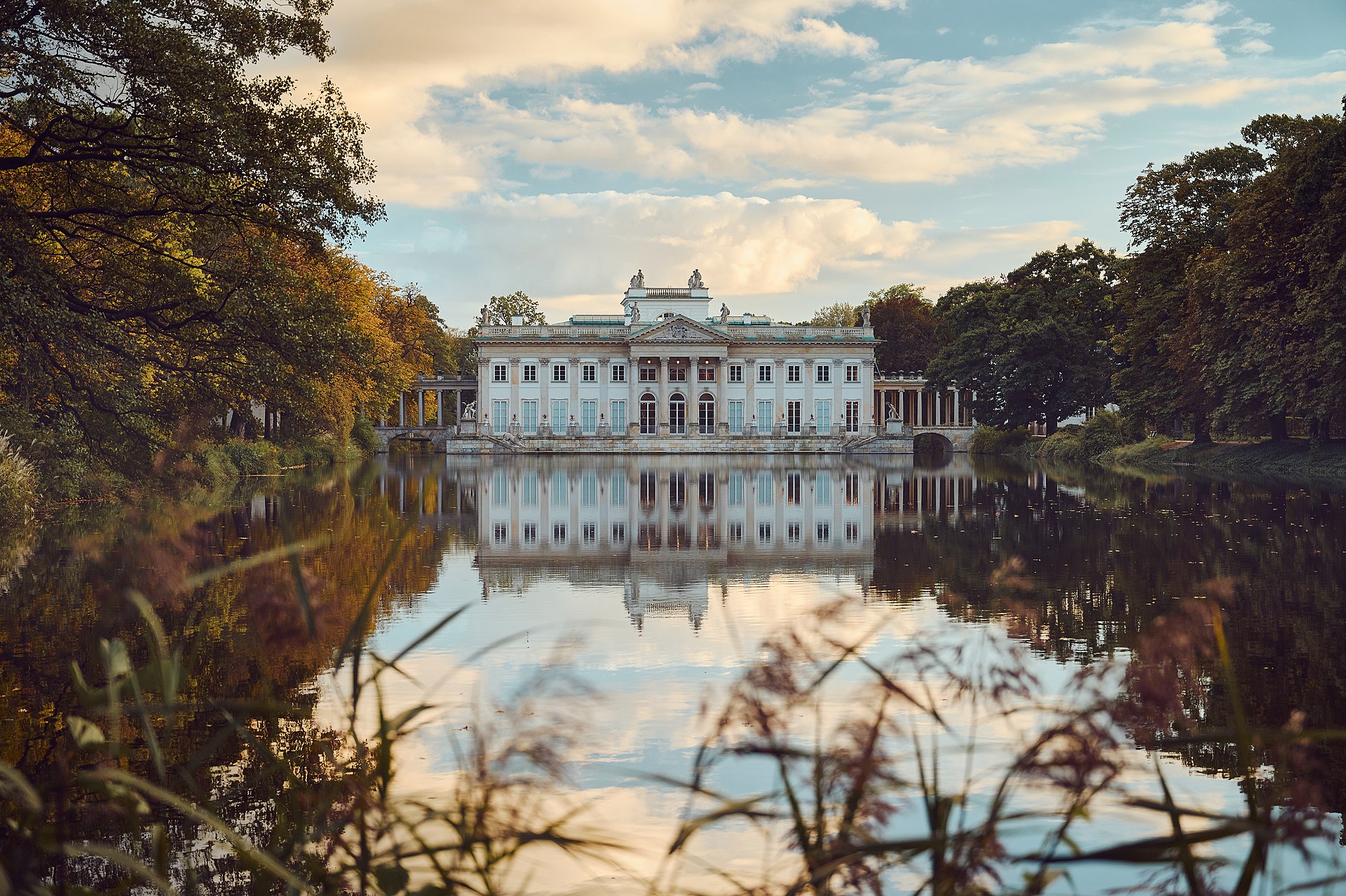
Palac Na Wyspie
POIClassical building featuring seventeenth-century bathhouse origins and neoclassical architecture to serve as primary residence for King Stanisław August Poniatowski and a center for enlightened cultural gatherings.
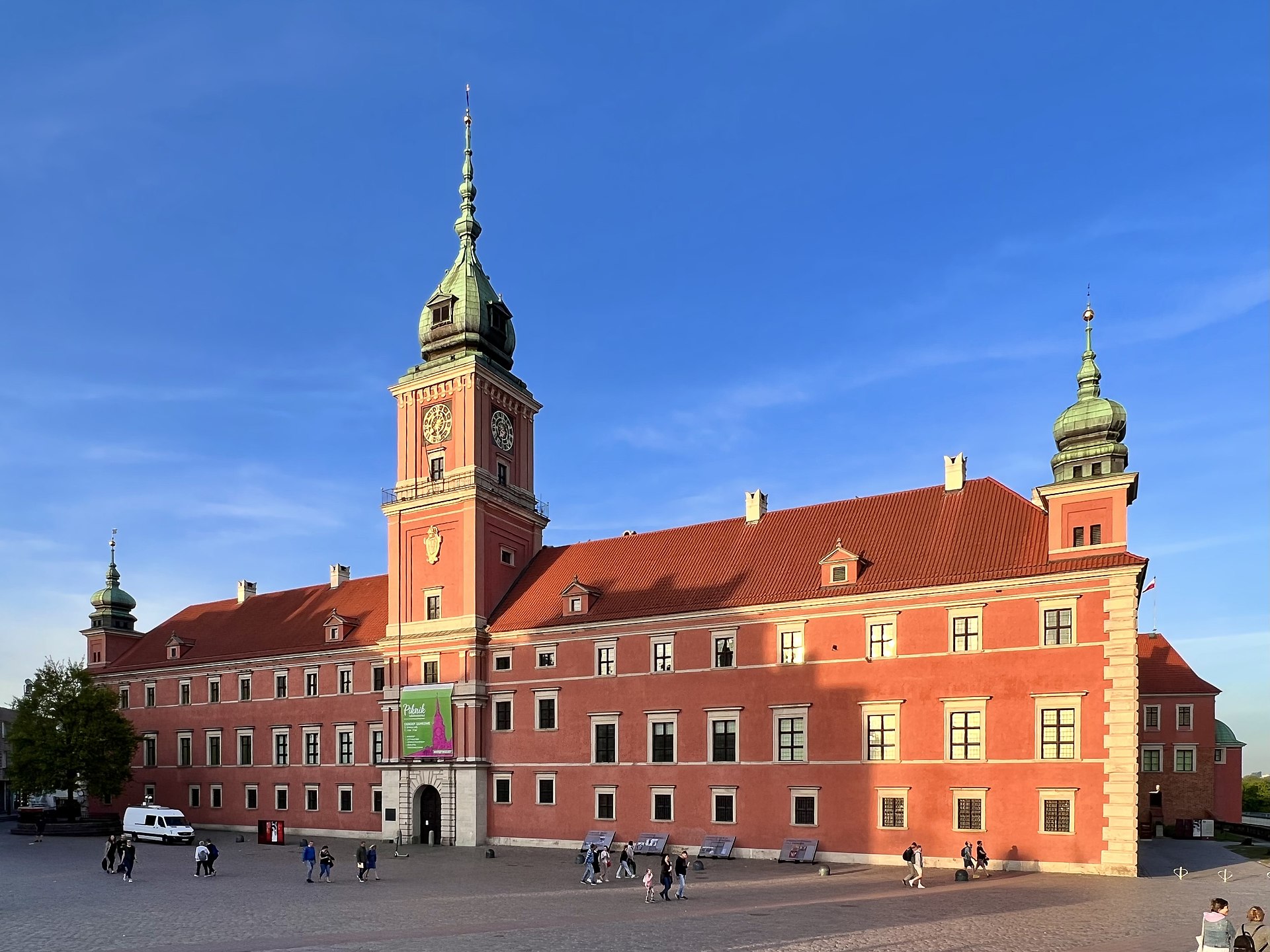
Royal Castle in Warsaw
POIReconstructed residence of Polish monarchs featuring seventeenth-century Baroque architecture and housing Senate Chamber where Constitution of 3 May 1791 was adopted to symbolize national sovereignty and resilience.
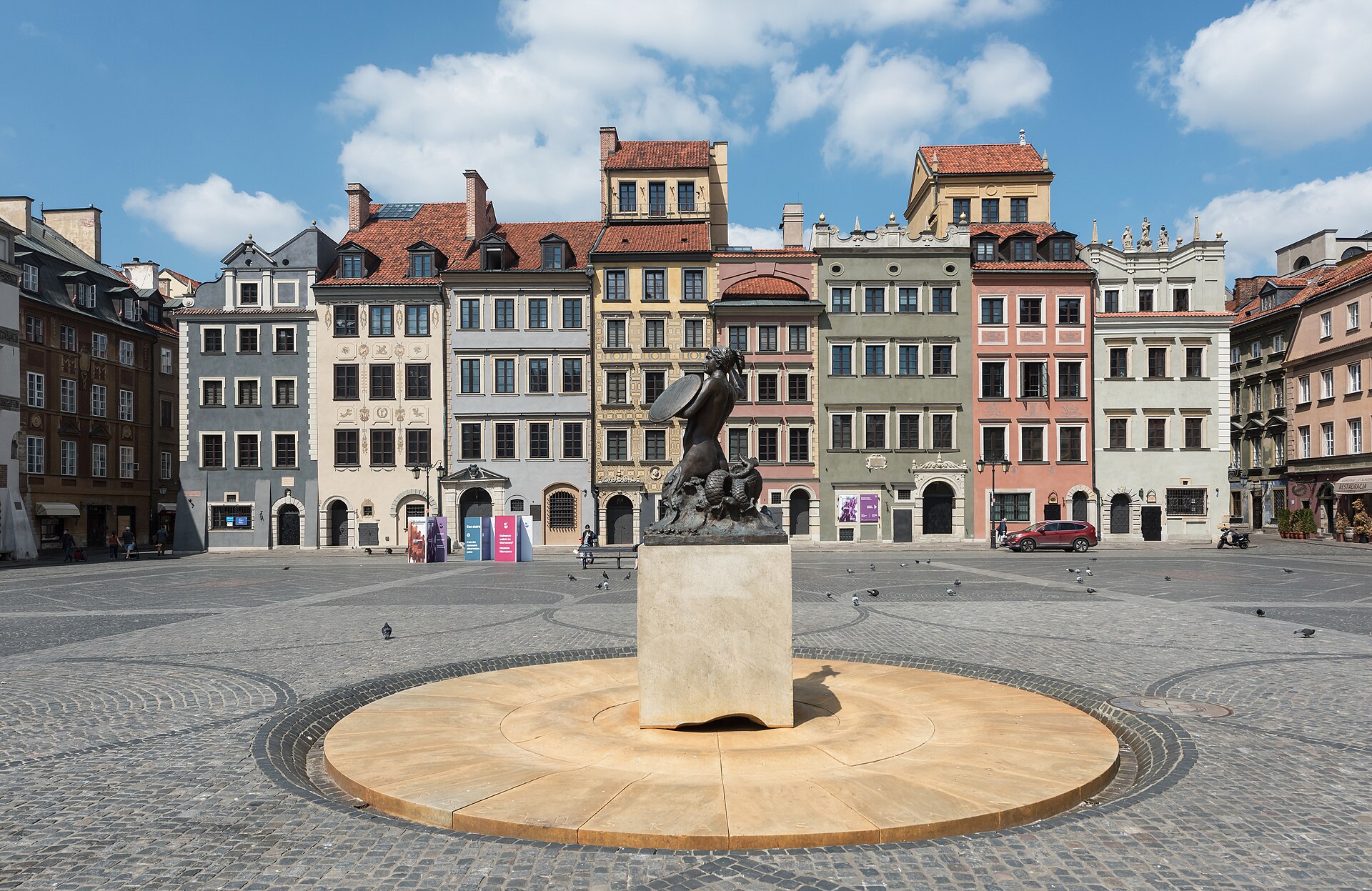
Muzeum Warszawy
POIMuseum housed within eleven reconstructed tenement houses on Old Town Market Square featuring diverse collection of objects and historical artifacts to document urban life and evolution of the capital from its foundation to present day.
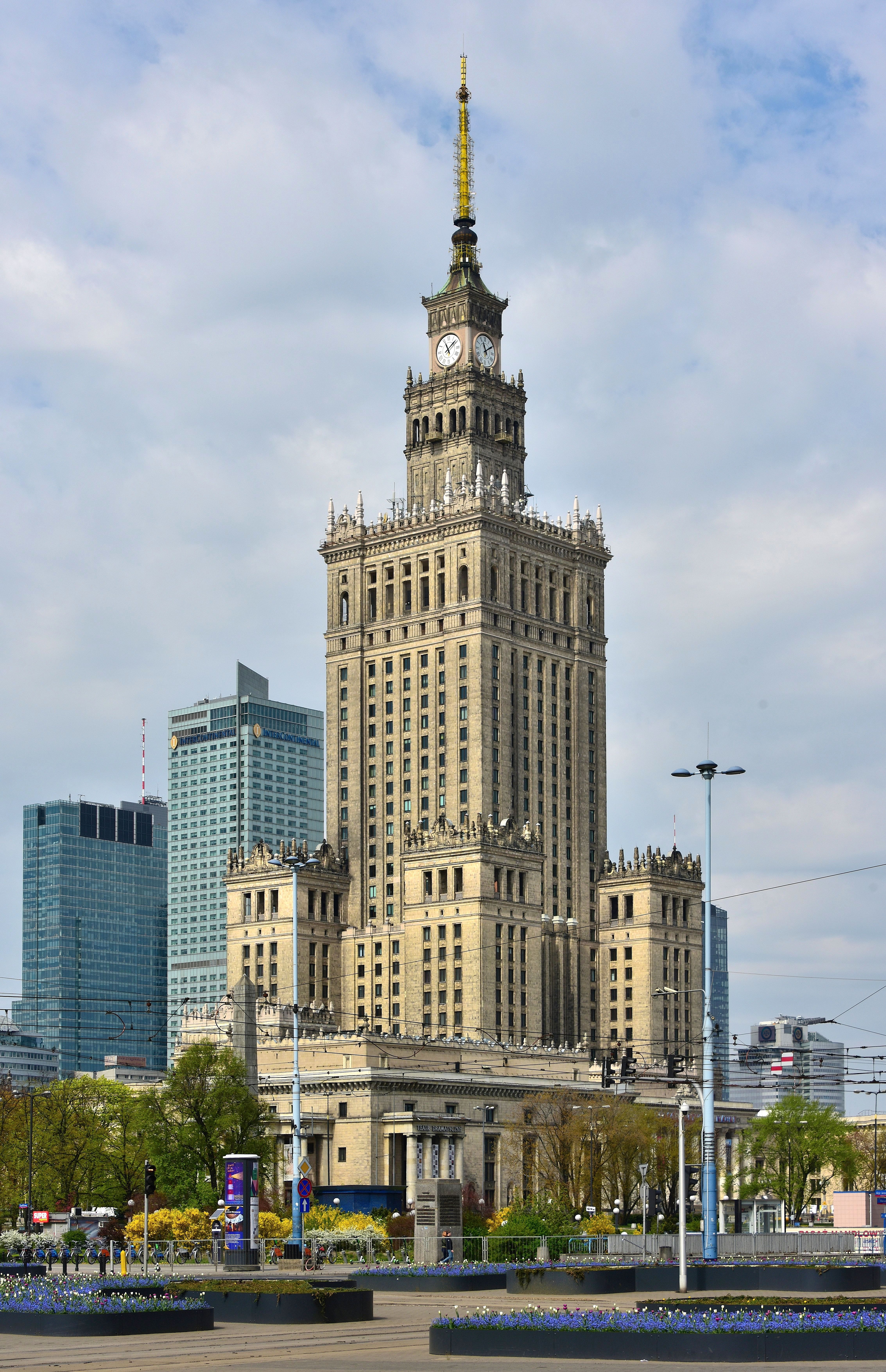
Palace of Culture and Science
POISocialist Realist skyscraper designed by architect Lev Rudnev, featuring synthesis of Soviet architecture and Polish historical motifs to serve as symbol of Soviet-Polish friendship and house diverse cultural and scientific institutions.
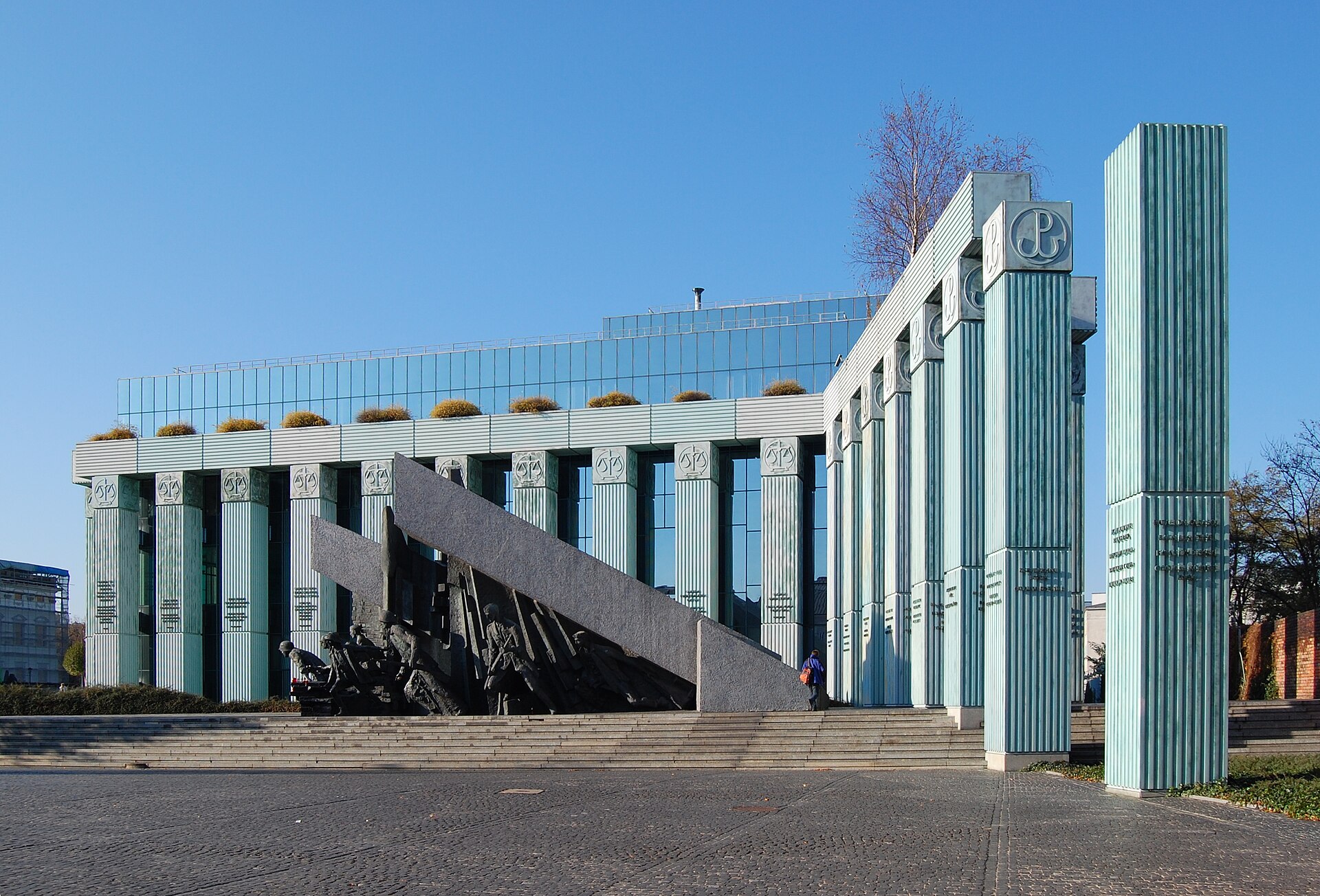
Warsaw Uprising Monument
POIBronze sculptural group unveiled on forty-fifth anniversary of insurrection featuring two distinct parts that depict insurgents emerging from sewers and fighting amidst collapsing architecture to commemorate soldiers and civilians who participated in 1944 struggle for independence.

King John III Palace Museum
POIBaroque residence often referred to as Polish Versailles, featuring yellow facade and ornate architectural details to serve as monument to King Jan III Sobieski's military triumphs and personal artistic tastes.
Sources & Further Reading
- [1]Warsaw: The Biography of a City — Witold Rybczynski. Simon & Schuster (2013)
- [2]God's Playground: A History of Poland, Volume II — Norman Davies. Oxford University Press (2005)
- [3]Rising '44: The Battle for Warsaw — Norman Davies. Viking (2004)
- [4]Statistics Poland (GUS)View