
Country Wiki
Lithuania
Lithuania is home to cultural landmarks, historic cities, and destinations cataloged across Vestigia. Explore major cities and notable points of interest below, or open the interactive map to discover places across the country.
Major Cities
6 listedNotable POIs
10 listed
Museum of the History of Lithuanian Medicine and Pharmacy
POIMuseum documenting the evolution of medical and pharmaceutical practices in Lithuania, featuring historical apothecary equipment, medicinal tools, and exhibits on local healthcare traditions.
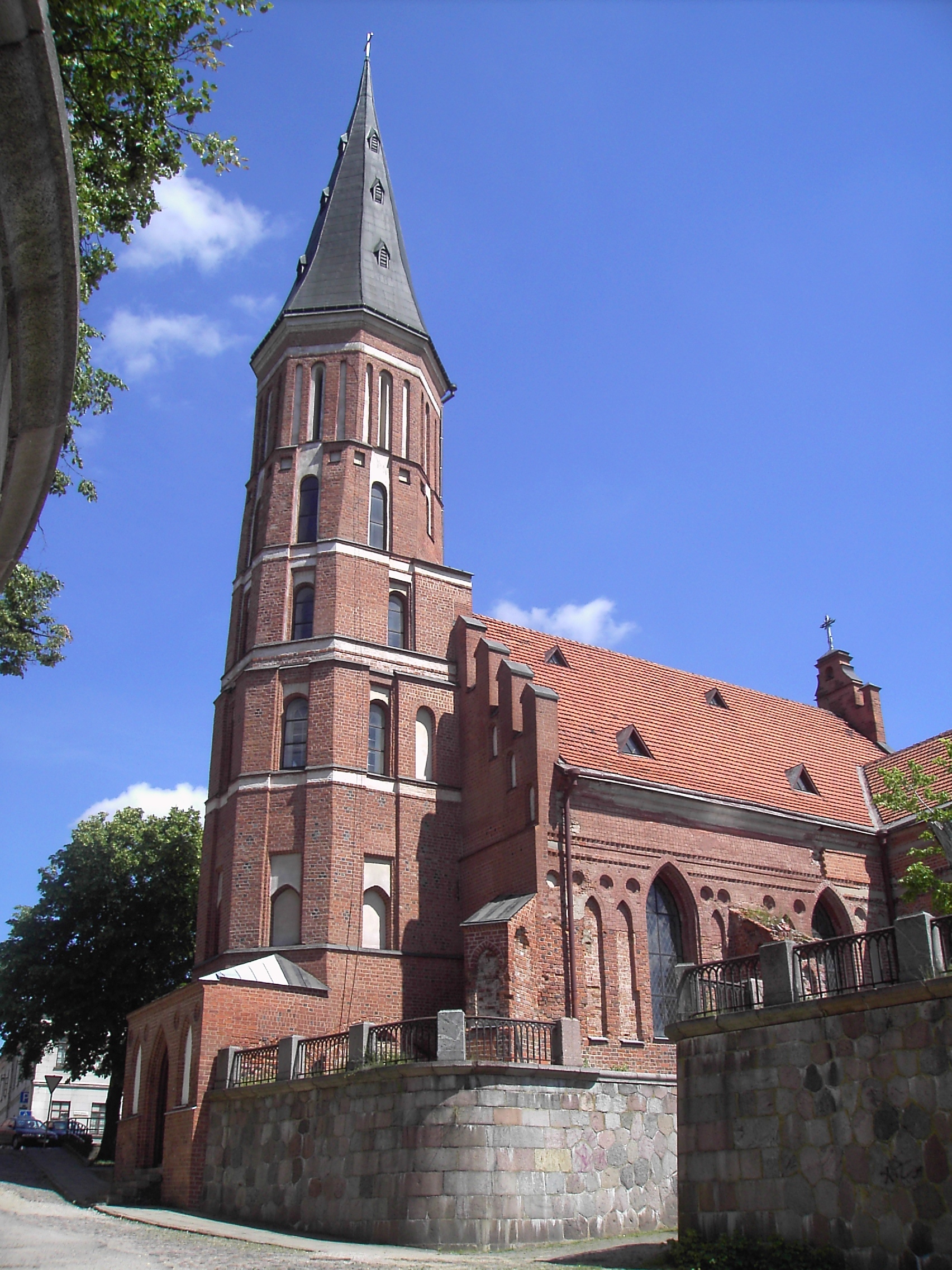
Church of Vytautas the Great
POIBrick Gothic church built in the early 15th century, serving as one of the oldest religious structures in the city and a former Franciscan monastery.

Vilnius Cathedral
POINeoclassical cathedral built on the site of a former pagan temple, serving as the primary center of Catholic spiritual life in Lithuania.

Presidential Palace
POINeoclassical palace serving as the official workplace of the Lithuanian head of state, originally constructed in the 18th century as a bishop's residence.

Palace of the Grand Dukes of Lithuania
POIReconstructed 15th-century palace serving as a museum that documents the history of the Lithuanian state and the residence of the Grand Dukes.

Lithuanian National Museum of Art
POINational museum housing an extensive collection of Lithuanian fine art, ranging from medieval religious sculpture to contemporary works and traditional folk art.

Kaunas Town Hall
POI16th-century building featuring a blend of Gothic, Baroque, and Classicist architectural styles, historically serving as the center of municipal administration and trade.

Christ's Resurrection Basilica
POIModernist basilica featuring a prominent tower that offers panoramic views of the city, serving as a significant symbol of national independence and religious identity.

Gediminas's Tower
POI15th-century brick tower and fortification remains situated on a hill, serving as a symbol of the city and housing a museum of local history.

Kaunas Castle
POI14th-century stone fortress originally built to defend against Teutonic Knights, now serving as a historical site and cultural venue for the city.