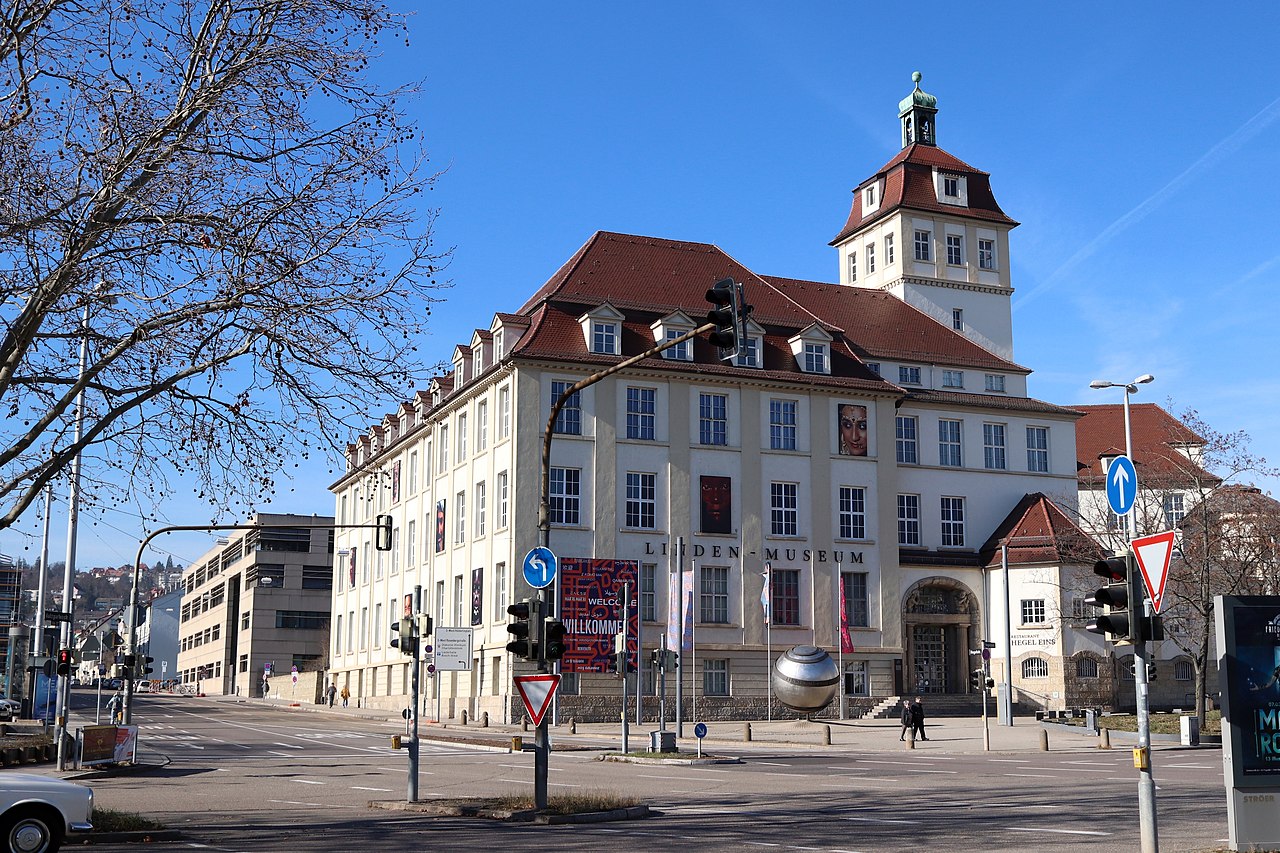
The Linden Museum in Stuttgart is one of Europe's most prominent ethnological museums, housing a collection of approximately 160,000 objects. Its permanent exhibitions provide comprehensive insights into the cultures of Africa, East Asia, the Islamic world, and the Americas, as well as Oceania. The museum serves as a center for intercultural dialogue, emphasizing the historical and contemporary significance of global societies.
Notable features of the museum include a traditional 19th-century Japanese tea house and an authentic Tibetan altar room, both of which are integrated into the permanent displays. The institution regularly hosts temporary exhibitions that address current socio-political issues, colonial history, and the provenance of its extensive ethnographic holdings.
Key Facts
- Materials
- Stone, Glass, Steel
- Civilization
- German
- Accessibility
- Fully wheelchair accessible
- Date(s)
- 1911
- Condition
- Active, well-maintained
- Original Function
- Ethnological Museum
- Key Figures
- Karl Graf von Linden
Founding and Early Years
1882-1911The museum originated from the private collection of Karl Graf von Linden, who began acquiring ethnographic items in 1882. The collection grew rapidly, leading to the establishment of the Linden-Museum-Verein in 1911 to provide a permanent home for the artifacts.
Expansion and War
1911-1945The museum building was completed in 1911. During the Second World War, the building suffered significant damage, though a large portion of the collection had been moved to safety, allowing for the museum's eventual reopening in the post-war period.
Modernization and Repatriation
2000-PresentIn recent decades, the museum has focused on modernizing its exhibition concepts and addressing the colonial origins of its collection. This includes active provenance research and ongoing dialogues regarding the potential repatriation of cultural property.
Cultural Significance
The Linden Museum plays a vital role in the cultural landscape of Baden-Württemberg, acting as a bridge between diverse global cultures and the local population. It is a key site for the study of non-European history and the critical examination of colonial-era collecting practices.
Interpretive Notes
Scholarly debates and areas of uncertainty
The museum is currently engaged in intense academic and public debate regarding the provenance of its African and Oceanic collections. Scholars and activists are questioning the ethics of historical acquisition methods, leading to a shift in how the museum presents these objects to the public.
Visiting Information
Entry Rules
Open Tuesday to Sunday. Tickets can be purchased online or at the museum entrance. Concessions are available for students and seniors.
Best Times to Visit
Weekday mornings are generally quieter. The museum is a popular destination for school groups, so visiting during mid-afternoon on weekdays can offer a more tranquil experience.
Photography
Non-commercial photography is permitted without flash or tripods in most permanent exhibition areas. Specific temporary exhibitions may prohibit photography.
Preservation Notes
Visitors are requested not to touch the artifacts. Large bags and backpacks must be stored in the provided lockers.
Nearby POIs
11 shownKey Facts
- Materials
- Stone, Glass, Steel
- Civilization
- German
- Accessibility
- Fully wheelchair accessible
- Date(s)
- 1911
- Condition
- Active, well-maintained
- Original Function
- Ethnological Museum
- Key Figures
- Karl Graf von Linden