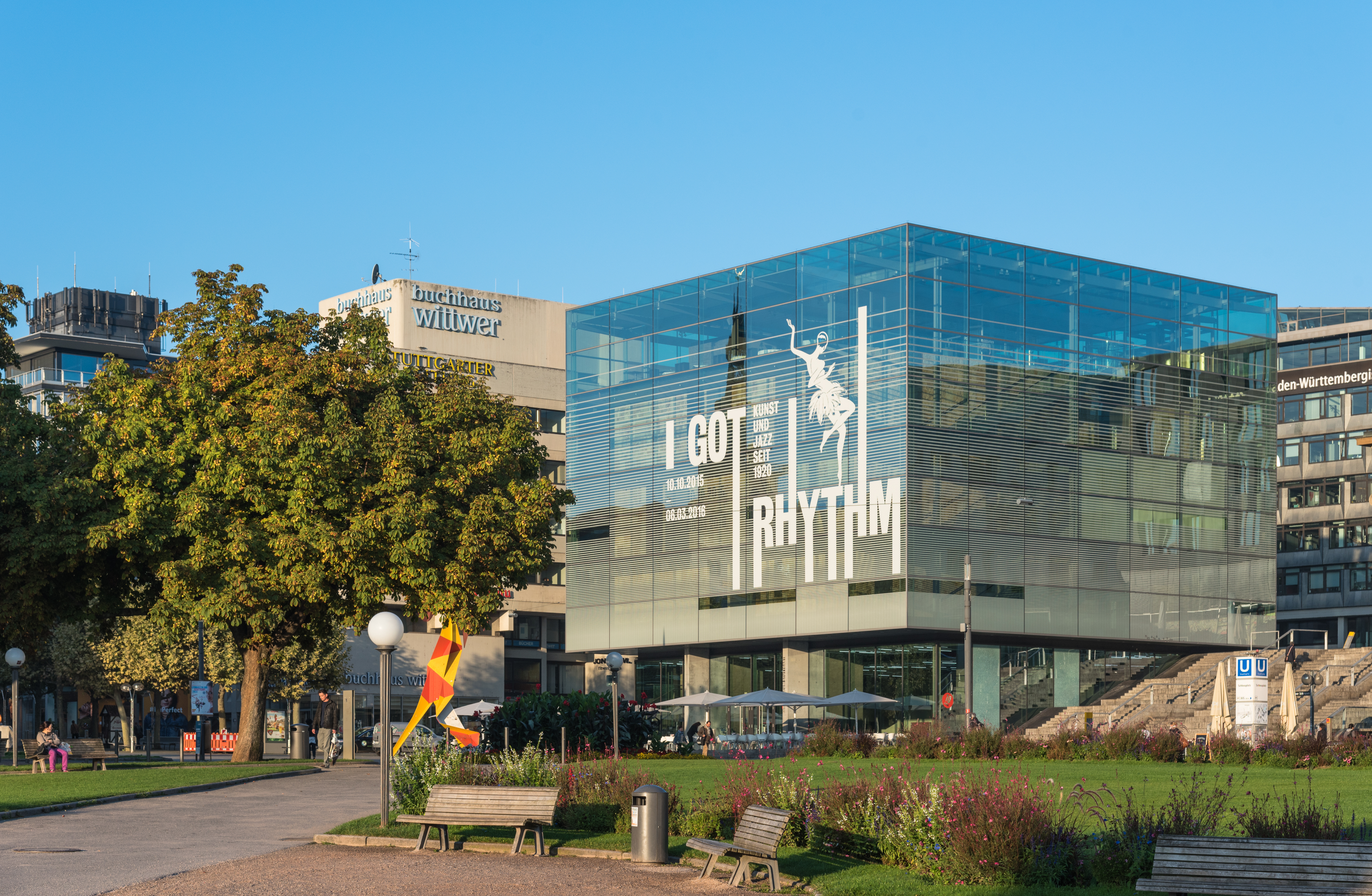
The Kunstmuseum Stuttgart is a prominent art museum located in the heart of Stuttgart, Germany. Opened in 2005, the building is characterized by its striking glass cube design, which glows at night and provides a transparent connection between the museum's interior and the surrounding Kleiner Schlossplatz.
The museum houses an extensive collection of modern and contemporary art, totaling approximately 5,000 works. It is internationally recognized for holding the world's most significant collection of pieces by the German painter Otto Dix, alongside works by other notable artists such as Willi Baumeister, Adolf Hölzel, and Dieter Roth.
Key Facts
- Materials
- Glass, Concrete, Steel
- Civilization
- Modern German
- Accessibility
- Fully wheelchair accessible with elevator access to all floors
- Date(s)
- 2005
- Condition
- Active
- Original Function
- Art Museum
- Key Figures
- Otto Dix, Willi Baumeister, Adolf Hölzel
Establishment and Architecture
2005The museum was established to house the city's municipal art collection. The building was designed by the Berlin-based architectural firm Hascher Jehle Architektur. The structure consists of a 27-meter high glass cube that sits atop a former tunnel, creating a unique visual landmark in the city center.
Collection Development
2005-PresentSince its opening, the museum has focused on expanding its holdings of 20th-century and contemporary art. The core of the collection remains the extensive works of Otto Dix, which were acquired and curated to provide a comprehensive look at his stylistic evolution and thematic concerns.
Modern Role
PresentToday, the museum serves as a cultural hub for Stuttgart, hosting rotating temporary exhibitions alongside its permanent collection. It continues to engage in research and conservation efforts, particularly regarding its significant holdings of German Expressionist and New Objectivity art.
Cultural Significance
The Kunstmuseum Stuttgart plays a vital role in the cultural life of the Baden-Württemberg region. By housing the world's largest collection of Otto Dix, it serves as a primary site for the study of 20th-century German art, particularly the New Objectivity movement. The museum's architecture also serves as a symbol of modern urban renewal in Stuttgart.
Beyond its permanent collection, the museum acts as a platform for contemporary discourse, frequently hosting exhibitions that address social and political themes. Its location in the city center makes it a central point for public engagement with art and architectural history.
Interpretive Notes
Scholarly debates and areas of uncertainty
Discussions surrounding the museum often focus on the curation of the Otto Dix collection, specifically how to balance the display of his provocative war-time imagery with his later, more traditional portraiture. Additionally, the architectural impact of the glass cube on the historic city square has been a subject of ongoing urban planning debate since its construction.
Visiting Information
Entry Rules
Open Tuesday through Sunday. Ticketed entry required for permanent and special exhibitions. Concessions available for students and groups. No large bags allowed in the galleries; lockers are provided.
Best Times to Visit
Weekday mornings are generally quieter. The museum is particularly popular during the winter months when the glass cube's illumination is most visible in the evening.
Photography
Non-commercial photography is permitted for personal use without flash or tripods. Specific temporary exhibitions may prohibit photography due to copyright restrictions.
Preservation Notes
Maintain a safe distance from all artworks. Do not touch surfaces. Climate control is strictly regulated throughout the galleries to preserve sensitive paintings and paper works.
Nearby POIs
11 shownKey Facts
- Materials
- Glass, Concrete, Steel
- Civilization
- Modern German
- Accessibility
- Fully wheelchair accessible with elevator access to all floors
- Date(s)
- 2005
- Condition
- Active
- Original Function
- Art Museum
- Key Figures
- Otto Dix, Willi Baumeister, Adolf Hölzel