
Antwerp
Antwerp (Dutch: Antwerpen) is the largest city in the Flanders region of Belgium and one of Europe’s port cities, located on the Scheldt River. Historically a major center of trade, finance, and culture, it played a central role in the economic life of the Low Countries, particularly during the early modern period. Today, Antwerp remains one of the world’s leading diamond trading centers and a major European port. The city is also known for its artistic heritage, especially its association with Baroque painter Peter Paul Rubens, as well as its vibrant fashion and design industries.
Early Development and Medieval Growth
Middle Ages-15th centuryAntwerp developed as a settlement along the Scheldt River, gaining importance as a trading port in the medieval period. By the 15th century, it had become a significant commercial hub within the Duchy of Brabant, benefiting from regional and international trade routes.
Golden Age of Antwerp
16th centuryDuring the 16th century, Antwerp emerged as one of Europe’s leading financial and commercial centers. It attracted merchants, bankers, and artists from across the continent, becoming a hub of the global economy. This period also saw flourishing artistic production, including the works of Peter Paul Rubens.
Decline and Foreign Rule
17th-18th centuriesAntwerp’s prosperity declined following the Dutch Revolt and the closure of the Scheldt River, which limited access to trade. The city came under Spanish and later Austrian Habsburg control, experiencing economic stagnation compared to its earlier prominence.
Industrial Revival
19th centuryThe reopening of the Scheldt River in the 19th century and Belgium’s independence in 1830 contributed to Antwerp’s economic revival. The port expanded significantly, and the city became an important industrial and maritime center.
Modern Antwerp
20th century-presentAntwerp continued to grow as one of Europe’s largest ports and a global center for the diamond trade. It also developed a strong cultural identity, with institutions dedicated to art, fashion, and design, maintaining its historical legacy while adapting to modern economic demands.
Notable POIs in Antwerp
6 listed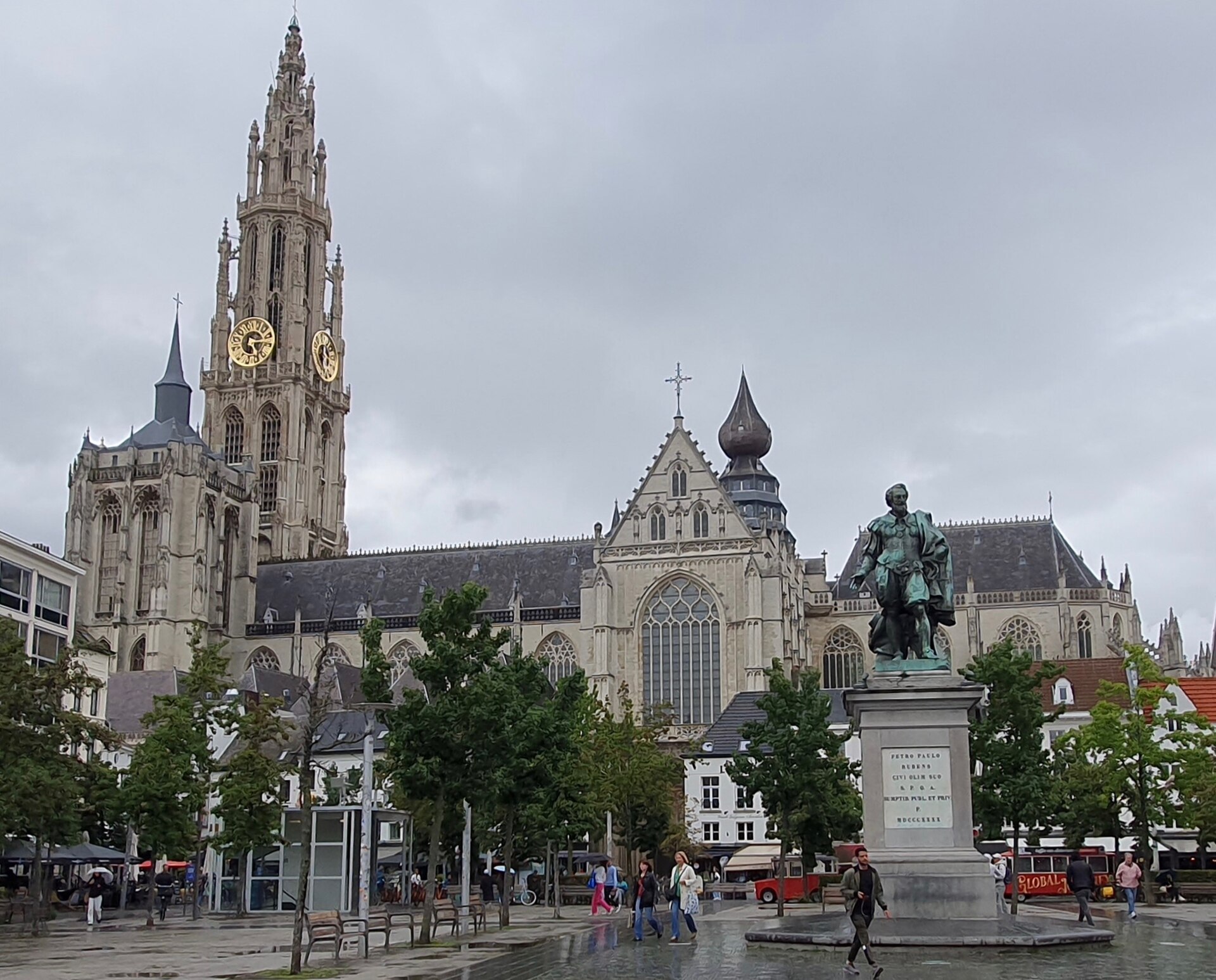
Cathedral of Our Lady Antwerpen
POIFourteenth-century Gothic cathedral featuring a 123-meter north tower and an interior containing four large-scale altarpieces painted by Peter Paul Rubens between 1610 and 1626.
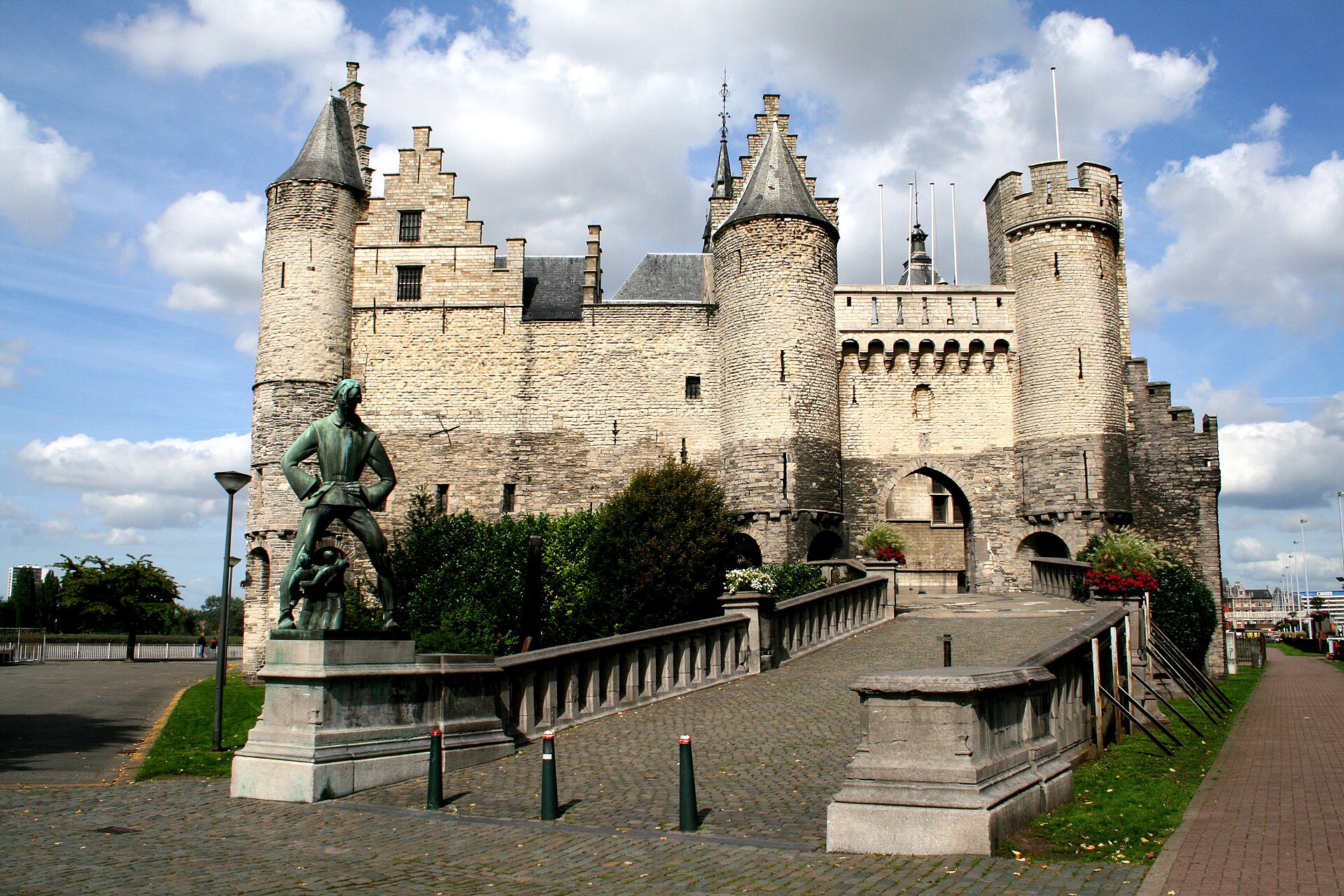
Het Steen
POIMedieval fortress containing architectural elements from the 11th century that served as Antwerp's first stone fortification and later as a prison for five centuries before being repurposed as a maritime museum and city gateway.
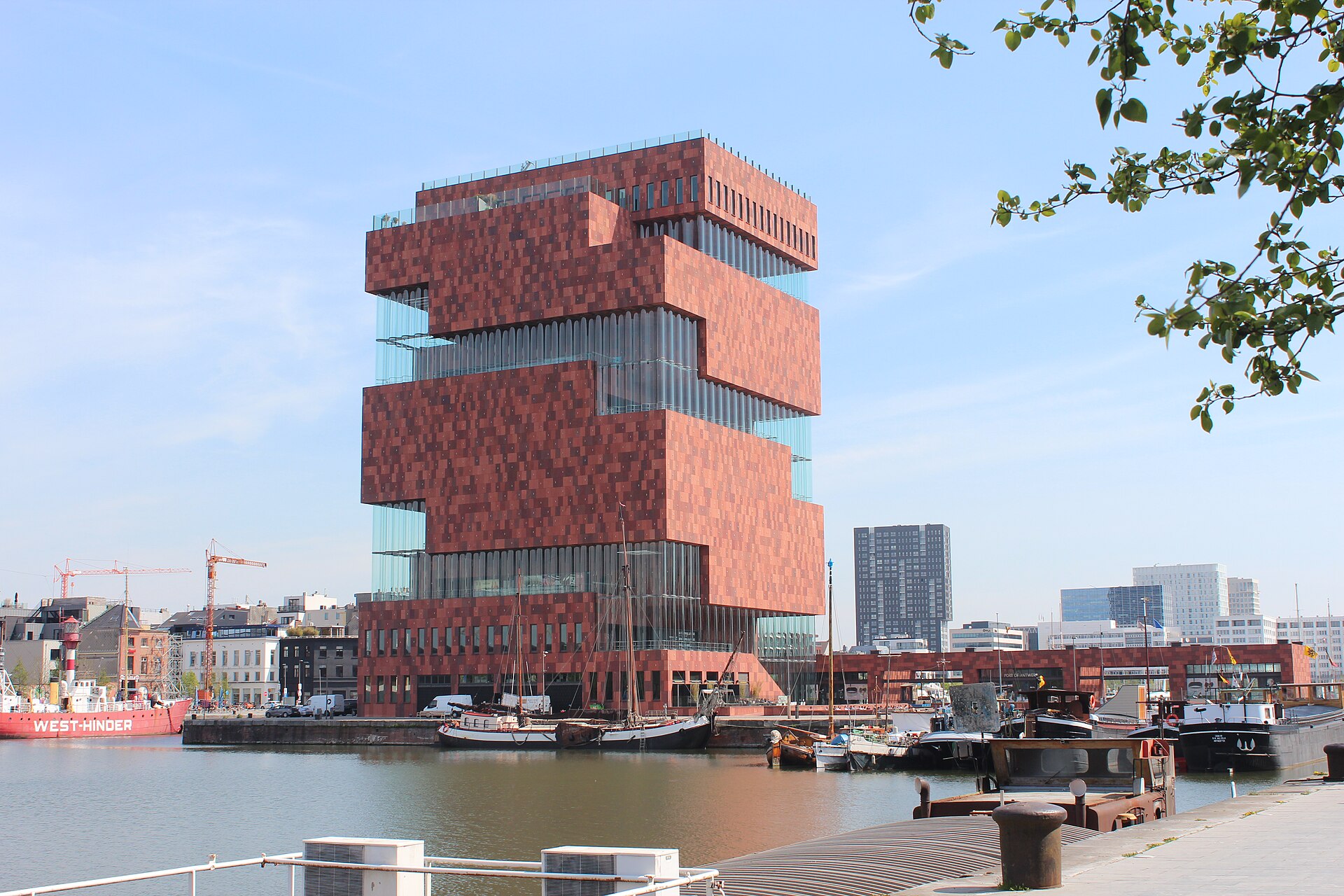
Museum aan de Stroom
POIHuseum housing 500,000 ethnographic and maritime artifacts across nine floors that document the history of international trade and cultural exchange in Antwerp from the 16th century to the present.
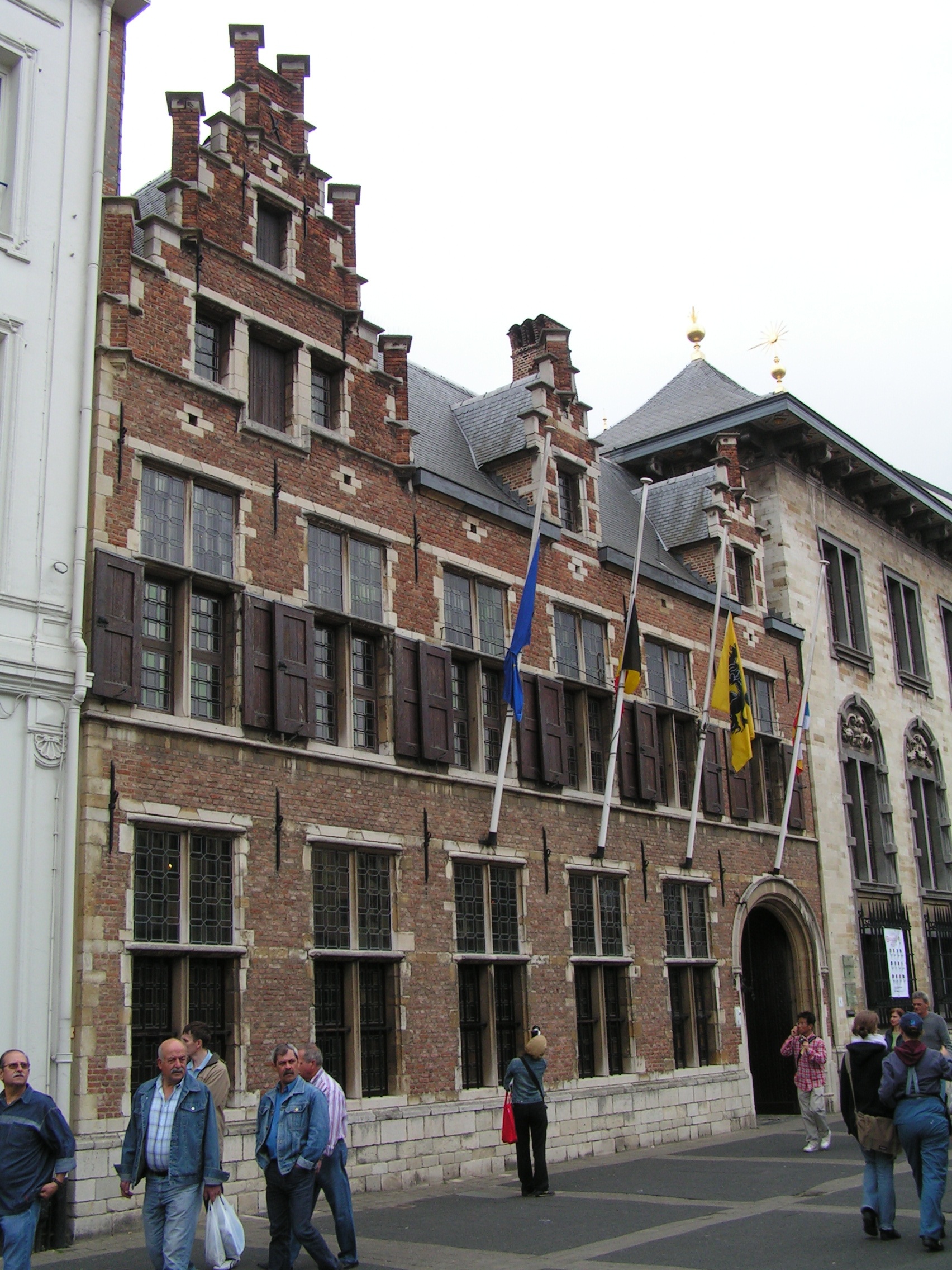
Rubenshuis
POISeventeenth-century residence and studio of Peter Paul Rubens containing a collection of 10 original works by the artist and dozens of pieces by his contemporaries, including a restored 1610 Italianate portico and a garden pavilion designed according to Renaissance architectural principles.
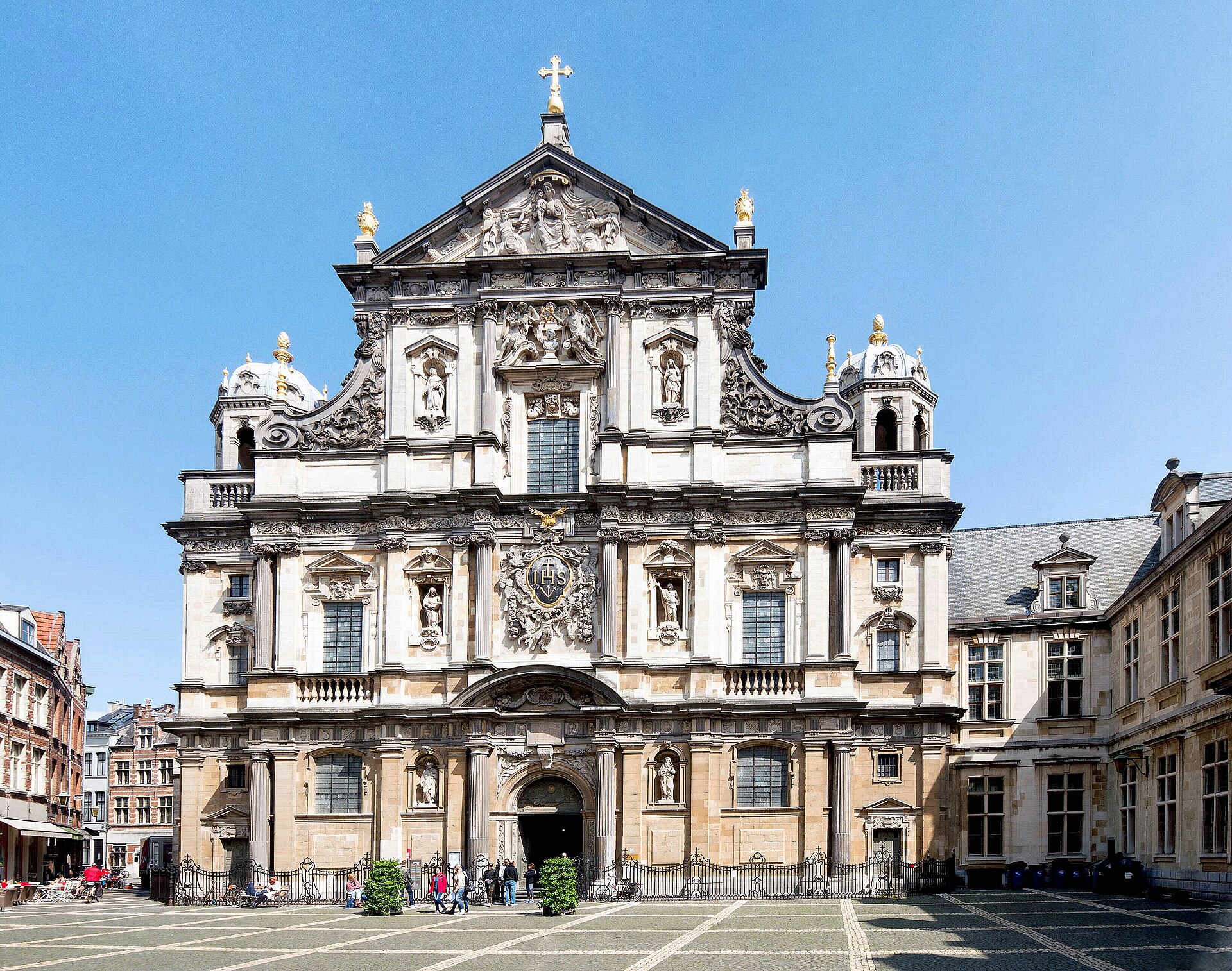
St. Charles Borromeo Church
POISeventeenth-century Baroque church designed by the Jesuit order, featuring a facade based on Roman architectural principles and an interior with 39 ceiling paintings originally commissioned from Peter Paul Rubens and a functioning 18th-century mechanism to rotate altarpieces.
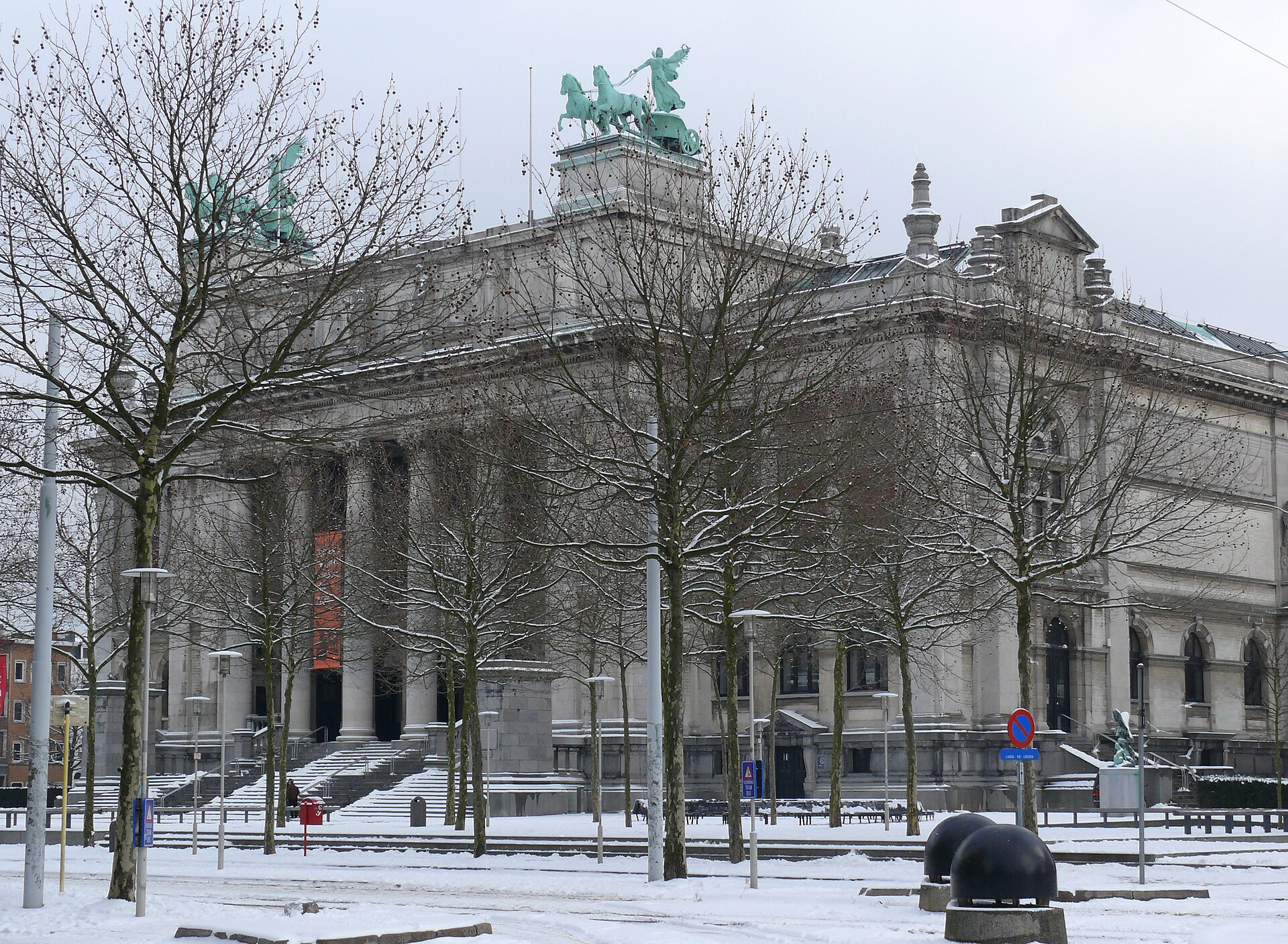
Royal Museum of Fine Arts Antwerpen
POINeoclassical museum building housing 7,600 paintings, sculptures, and drawings that span seven centuries of art history, including the world’s largest collection of works by James Ensor and major 17th-century altarpieces by Peter Paul Rubens.
Sources & Further Reading
- [1]Antwerp: A Port for All Seasons. Pandora Publishers (2010)
- [2]The Golden Age of Antwerp — Herman Van der Wee. Mercatorfonds (1993)
- [3]Belgium: A History — David Van Reybrouck. HarperCollins (2014)