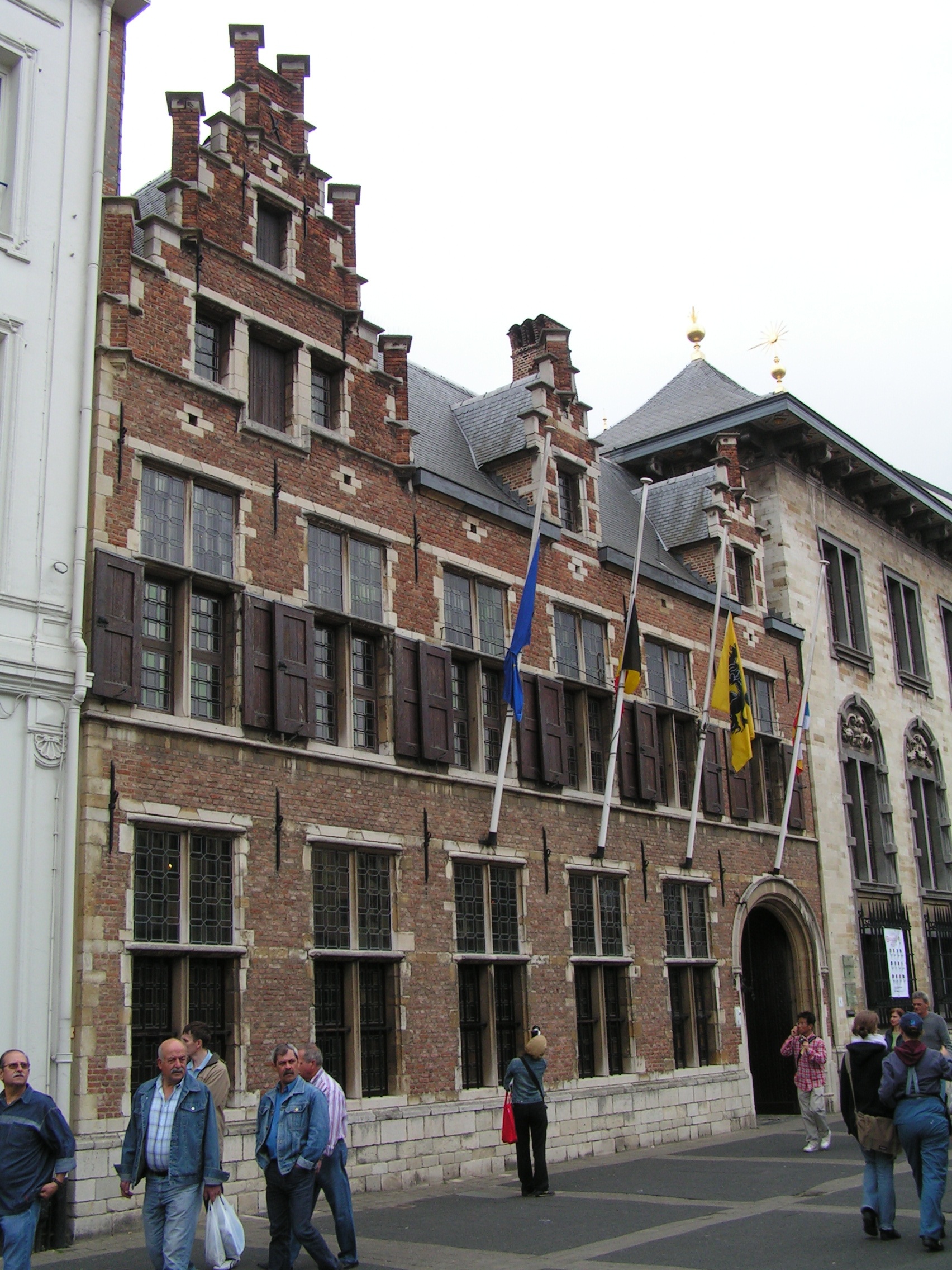
The Rubenshuis, or Rubens House, is the former residence and studio of the Flemish Baroque painter Peter Paul Rubens in Antwerp. Rubens purchased the property in 1610 and lived there until his death in 1640, designing significant additions to the structure himself, including a semi-circular sculpture gallery and an Italianate portico that connected his living quarters to his expansive studio.
The site serves as a museum dedicated to the artist's life and work. Following extensive renovations, the house displays a collection of original paintings by Rubens and his contemporaries, alongside period-appropriate furniture and decorative arts that reflect the lifestyle of a successful 17th-century artist and diplomat.
Key Facts
- Materials
- Brick, Sandstone, Marble
- Civilization
- Flemish
- Accessibility
- Partially accessible; check museum website for current status due to ongoing renovations
- Date(s)
- 1610-1616
- Condition
- Restored museum
- Original Function
- Residence and artist studio
- Key Figures
- Peter Paul Rubens, Isabella Brant, Hélène Fourment
Acquisition and Design
1610Upon returning from Italy, Rubens purchased a house and land on the Wapper in Antwerp. He spent the following years transforming the existing structure into a grand residence and studio, incorporating architectural elements inspired by his time in Rome and Genoa.
Life and Work
1610-1640The house functioned as the center of Rubens' professional and personal life. It was here that he managed his large workshop, entertained high-profile patrons, and raised his family. The studio was designed with high windows to maximize natural light for his large-scale compositions.
Decline and Restoration
17th-20th centuryFollowing Rubens' death, the house passed through various owners and underwent significant structural changes. In 1937, the City of Antwerp purchased the property, and after a comprehensive restoration based on original plans and historical records, it opened as a museum in 1946.
Modern Development
21st centuryThe museum has undergone further modernization to improve visitor experience and preservation standards. A new visitor center and expanded exhibition spaces have been integrated to accommodate the growing interest in Rubens' legacy.
Cultural Significance
The Rubenshuis is a primary site for understanding the life of one of the most influential figures of the Baroque era. It stands as a testament to the status of the artist in the 17th century, bridging the gap between the artisan and the intellectual elite. The architecture itself reflects the cultural synthesis of Northern European traditions and Italian Renaissance ideals.
Today, the house is a focal point for Flemish cultural heritage. It provides critical context for the study of Rubens' artistic process and the social history of Antwerp during its Golden Age.
Interpretive Notes
Scholarly debates and areas of uncertainty
There is ongoing discussion regarding the extent of Rubens' personal involvement in the architectural design of the house. While he is credited with the portico and pavilion, some scholars debate how much of the structural planning was delegated to local builders or influenced by contemporary pattern books.
Visiting Information
Entry Rules
The museum is currently undergoing a multi-year renovation project. Visitors should check the official website for current access status and ticket availability. Pre-booking is recommended.
Best Times to Visit
Weekday mornings are generally quieter. The garden is particularly notable during the spring and summer months.
Photography
Non-commercial photography is permitted without flash or tripods. Commercial photography requires prior written permission from the museum administration.
Preservation Notes
Visitors are requested to refrain from touching any surfaces or artworks. Due to the historic nature of the building, some areas may have uneven flooring or restricted access.
Nearby POIs
11 shownSources & Further Reading
- [1]Rubens: A Genius at Work — Joost Vander Auwera. Lannoo Publishers (2007)
- [2]
Key Facts
- Materials
- Brick, Sandstone, Marble
- Civilization
- Flemish
- Accessibility
- Partially accessible; check museum website for current status due to ongoing renovations
- Date(s)
- 1610-1616
- Condition
- Restored museum
- Original Function
- Residence and artist studio
- Key Figures
- Peter Paul Rubens, Isabella Brant, Hélène Fourment