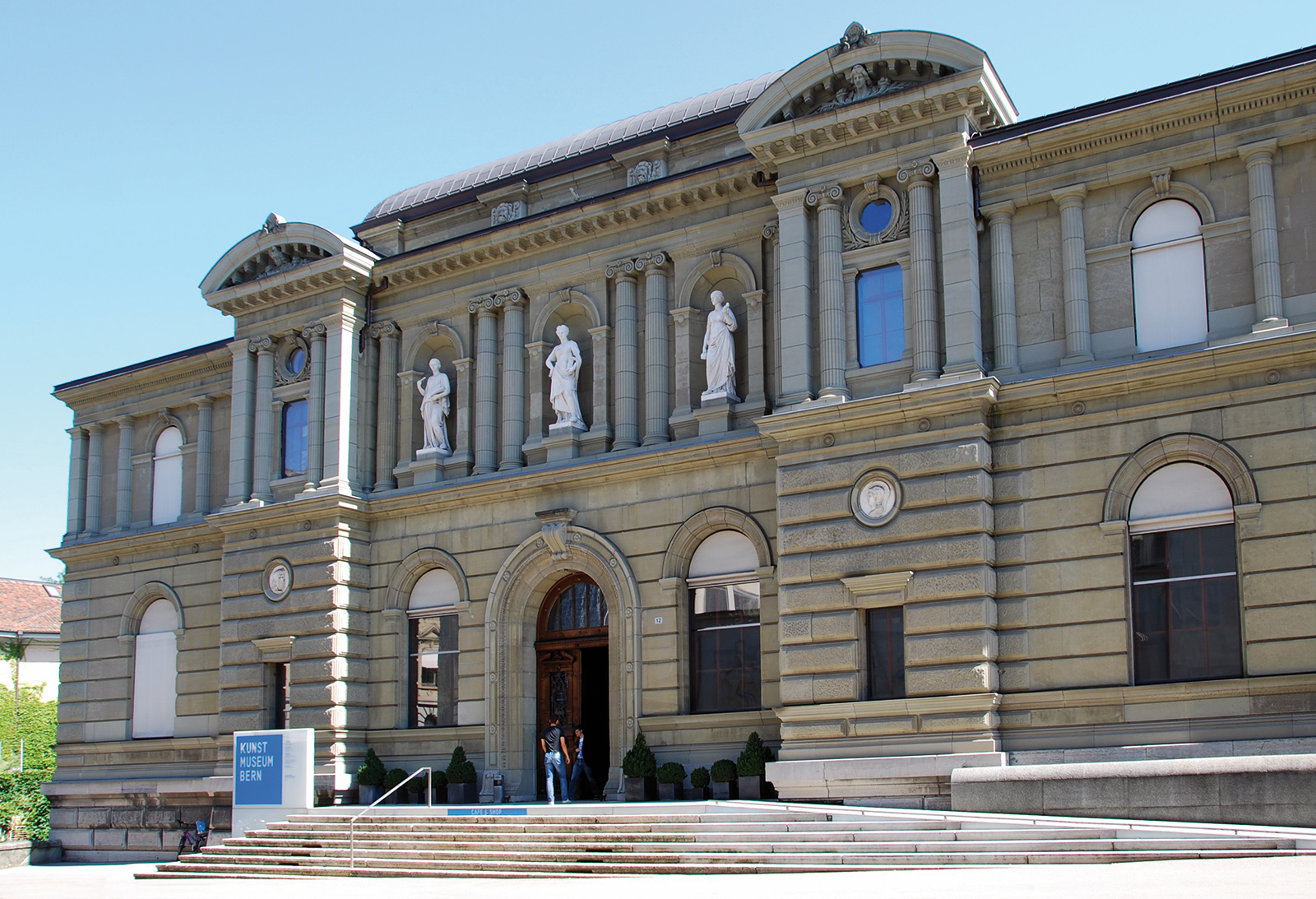
The Museum of Fine Arts Bern (Kunstmuseum Bern) is the oldest art museum in Switzerland with a permanent collection, having opened its doors in 1879. The institution is housed in a historic building designed by architect Eugen Stettler, which has since been expanded to accommodate its growing collection and modern exhibition requirements.
The museum's extensive holdings span from the Middle Ages to the contemporary era, featuring significant works by artists such as Pablo Picasso, Paul Klee, and Ferdinand Hodler. It serves as a major cultural hub in Switzerland, dedicated to the preservation, research, and public display of fine art through both its permanent galleries and rotating special exhibitions.
Key Facts
- Materials
- Sandstone, Glass, Steel
- Civilization
- Swiss
- Accessibility
- Fully wheelchair accessible
- Date(s)
- 1879
- Condition
- Active, well-maintained
- Original Function
- Art Museum
- Key Figures
- Eugen Stettler, Paul Klee
Foundation and Architecture
1879The museum was established to house the city's growing art collection. The original building was designed by Eugen Stettler in a historicist style, reflecting the cultural aspirations of 19th-century Bern.
Expansion and Modernization
20th CenturyThroughout the 20th century, the museum underwent several expansions to accommodate its increasing collection, including the acquisition of significant modernist works and the integration of the Paul Klee Foundation's archives.
Contemporary Status
21st CenturyToday, the museum remains a leading institution in Europe, known for its diverse collection and its role in international art discourse, including the management of complex provenance research projects.
Cultural Significance
The Museum of Fine Arts Bern is central to the Swiss cultural landscape, acting as a repository for national and international art history. It plays a vital role in the identity of Bern, fostering public engagement with visual arts and serving as a site for critical dialogue regarding art history and provenance.
Interpretive Notes
Scholarly debates and areas of uncertainty
The museum has been at the center of significant international debates regarding the provenance of art, particularly following the 2014 Gurlitt bequest. Scholars and legal experts continue to discuss the ethical responsibilities of museums in handling collections with complex or disputed histories.
Visiting Information
Entry Rules
Open Tuesday through Sunday. Tickets can be purchased online or at the museum desk. Concessions are available for students and seniors.
Best Times to Visit
Weekday mornings are generally quieter. The museum is closed on Mondays.
Photography
Non-commercial photography without flash is permitted in most permanent collection galleries. Special exhibitions may have specific restrictions.
Preservation Notes
Maintain a respectful distance from artworks. Large bags and umbrellas must be stored in the provided lockers.
Nearby POIs
11 shownKey Facts
- Materials
- Sandstone, Glass, Steel
- Civilization
- Swiss
- Accessibility
- Fully wheelchair accessible
- Date(s)
- 1879
- Condition
- Active, well-maintained
- Original Function
- Art Museum
- Key Figures
- Eugen Stettler, Paul Klee