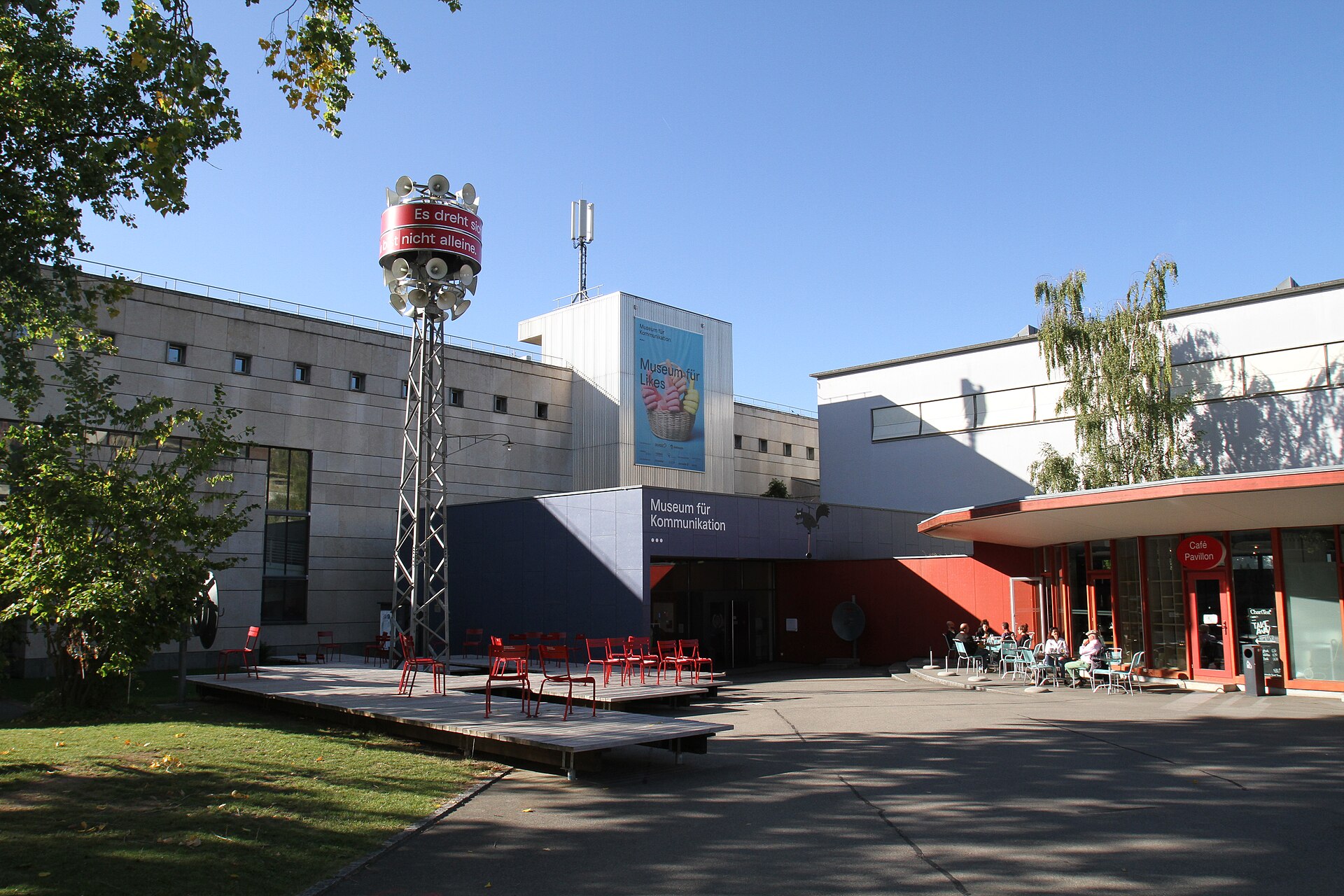
The Museum of Communication in Bern is a unique cultural institution dedicated to the history and evolution of human interaction. It explores the technical development of media, ranging from the early postal services and telegraphy to the complexities of modern digital networks and artificial intelligence.
The museum is known for its interactive approach, encouraging visitors to engage directly with the exhibits rather than simply observing them. By focusing on the social and cultural impact of communication technologies, the institution provides a comprehensive look at how information exchange has shaped human society over the last two centuries.
Key Facts
- Materials
- Concrete, Glass, Steel
- Civilization
- Swiss
- Accessibility
- Fully wheelchair accessible
- Date(s)
- 1907
- Condition
- Active, fully operational museum
- Original Function
- Postal and telecommunications museum
- Key Figures
- Heinrich von Stephan
Founding and Early Years
1907The museum was established as the Swiss Postal Museum, initially focusing on the history of the Swiss Post and the development of national communication infrastructure.
Expansion of Scope
20th CenturyOver the decades, the collection expanded to include telecommunications, radio, and television, reflecting the rapid technological advancements of the era.
Modern Transformation
1997 - PresentThe institution was rebranded as the Museum of Communication and moved into its current purpose-built facility. It shifted its focus toward interactive, visitor-centered exhibits that examine the broader social implications of communication.
Cultural Significance
The museum serves as a vital center for understanding the digital age in Switzerland. It plays a significant role in public education regarding media literacy and the history of the Swiss postal system, which has historically been a cornerstone of national identity and connectivity.
Interpretive Notes
Scholarly debates and areas of uncertainty
Discussions often center on the balance between preserving historical artifacts and maintaining the museum's commitment to interactive, ephemeral digital experiences. There is ongoing academic discourse regarding how to best archive the rapidly changing landscape of social media and digital communication.
Visiting Information
Entry Rules
Open Tuesday to Sunday. Tickets can be purchased online or at the reception. No specific dress code required.
Best Times to Visit
Weekday mornings are generally quieter. The museum is popular with school groups, so visiting during off-peak holiday seasons may offer a more relaxed experience.
Photography
Personal photography is permitted in most areas. Flash and tripods are prohibited in temporary exhibition spaces.
Preservation Notes
Please refrain from touching sensitive historical artifacts unless explicitly indicated by the interactive exhibit signage.
Nearby POIs
11 shownKey Facts
- Materials
- Concrete, Glass, Steel
- Civilization
- Swiss
- Accessibility
- Fully wheelchair accessible
- Date(s)
- 1907
- Condition
- Active, fully operational museum
- Original Function
- Postal and telecommunications museum
- Key Figures
- Heinrich von Stephan