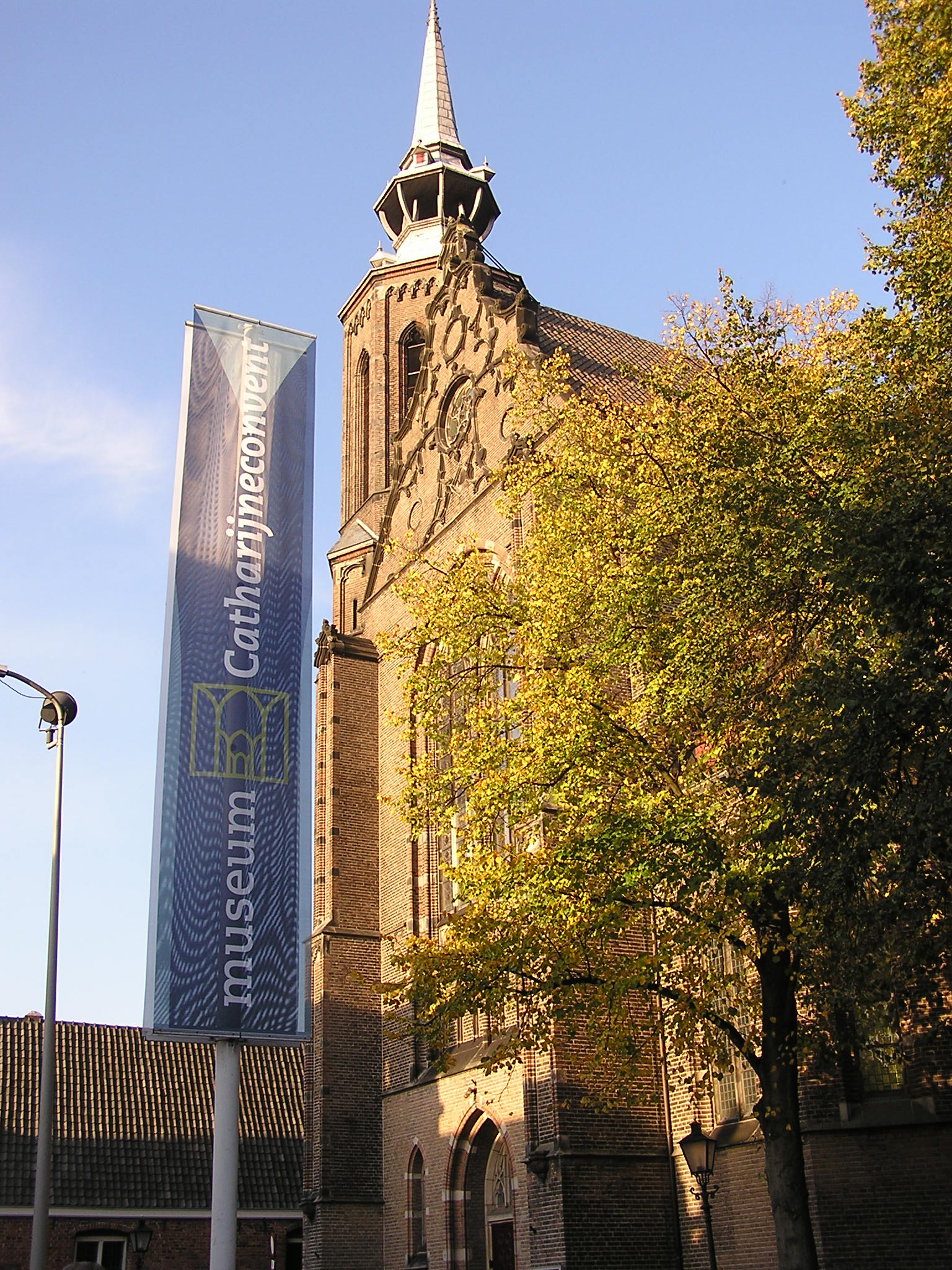
Museum Catharijneconvent is the national museum of religious art and history in the Netherlands, housed within the former St. Catherine's Convent in Utrecht. The museum's collection spans over a millennium, featuring illuminated manuscripts, intricate gold and silver liturgical objects, and significant paintings that trace the development of Christianity and its profound influence on Dutch culture and society.
The building itself is a historic landmark, with parts of the complex dating back to the 15th century. It serves as a bridge between the medieval monastic past and contemporary cultural discourse, offering visitors a comprehensive look at the artistic and spiritual heritage of the Low Countries through both permanent exhibitions and rotating thematic displays.
Key Facts
- Materials
- Brick, Stone, Stained glass
- Civilization
- Dutch
- Accessibility
- Fully wheelchair accessible
- Date(s)
- 15th century (convent foundations)
- Condition
- Well-preserved, active museum
- Original Function
- Monastery and hospital
- Key Figures
- St. Catherine of Alexandria
Monastic Origins
15th centuryThe site originated as the St. Catherine's Convent, a religious house for the Knights Hospitaller. It functioned as a monastery and hospital, serving the spiritual and physical needs of the local population in Utrecht during the late Middle Ages.
Reformation and Secularization
16th-19th centuryFollowing the Protestant Reformation, the monastery underwent significant changes as religious orders were suppressed. The buildings were repurposed for various civic and institutional uses over the subsequent centuries, losing their original monastic function.
Establishment of the Museum
1979The museum was officially established in 1979 to consolidate various collections of religious art from across the Netherlands. It brought together artifacts from the Archbishop's Museum and other ecclesiastical collections into the restored convent complex.
Modern Era
21st centuryToday, the museum is recognized as the national center for Christian cultural heritage. It continues to undergo modernization of its galleries and research facilities, focusing on the preservation of Dutch religious history and public education.
Cultural Significance
The museum is central to understanding the religious history of the Netherlands, a country shaped by the complex interplay between Catholicism and Protestantism. It preserves objects that are not only of high artistic value but are also essential to the national identity, illustrating how faith influenced Dutch art, politics, and social structures for centuries.
Beyond its historical role, the museum acts as a platform for contemporary dialogue regarding the place of religion in a secular society. It provides a space for reflection on the shared cultural heritage that transcends specific denominational boundaries.
Interpretive Notes
Scholarly debates and areas of uncertainty
There is ongoing academic discussion regarding the 'de-contextualization' of liturgical objects when moved from active churches to museum environments. Scholars debate how to best present these items to maintain their original spiritual significance while providing the necessary historical and aesthetic context for a general audience.
Visiting Information
Entry Rules
Open Tuesday through Sunday. Tickets can be purchased online or at the entrance. The museum is closed on Mondays and certain public holidays. No specific dress code is required.
Best Times to Visit
Weekday mornings are generally quieter. The museum is particularly popular during special temporary exhibitions, so checking the official calendar is recommended.
Photography
Personal photography is permitted for non-commercial use without flash or tripods. Professional photography requires prior written permission from the museum administration.
Preservation Notes
Please refrain from touching the artifacts or display cases. Maintain a quiet demeanor in the gallery spaces to respect the nature of the collection.
Nearby POIs
11 shownSources & Further Reading
- [1]Museum Catharijneconvent: The Collection — Museum Staff. Museum Catharijneconvent Official Press (2020)View
- [2]Religious Art in the Netherlands — H.W. van Os. Waanders Publishers (2005)
Key Facts
- Materials
- Brick, Stone, Stained glass
- Civilization
- Dutch
- Accessibility
- Fully wheelchair accessible
- Date(s)
- 15th century (convent foundations)
- Condition
- Well-preserved, active museum
- Original Function
- Monastery and hospital
- Key Figures
- St. Catherine of Alexandria