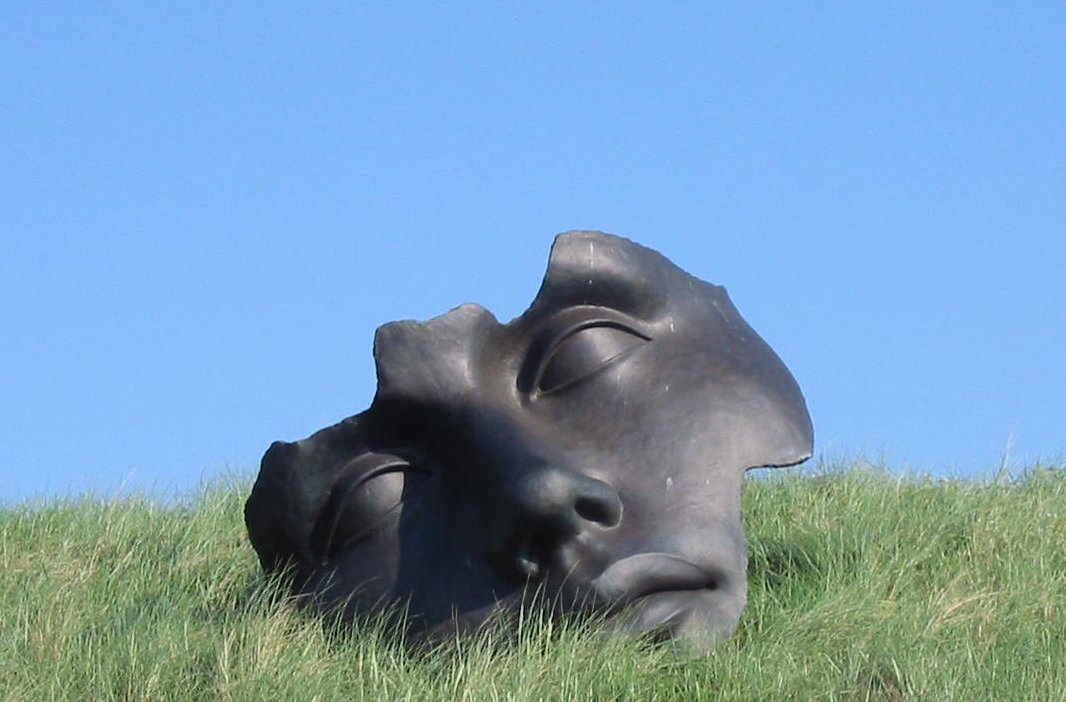
Museum Beelden aan Zee is a private museum located in the Scheveningen district of The Hague, Netherlands. Founded in 1994 by collectors Theo and Lida Scholten, the institution is dedicated exclusively to modern and contemporary international sculpture. The museum is notable for its unique architectural integration, as it is built almost entirely underground within the coastal dunes, preserving the natural landscape of the North Sea coastline.
The museum's collection focuses on human-centric sculpture, featuring works by prominent artists such as Igor Mitoraj, Man Ray, and Ossip Zadkine. The subterranean galleries are designed to provide a contemplative environment, utilizing natural light filtered through the dunes to illuminate the sculptures, creating a distinct spatial experience for visitors.
Key Facts
- Materials
- Concrete, Glass, Sand
- Civilization
- Dutch
- Accessibility
- Fully wheelchair accessible
- Date(s)
- 1994
- Condition
- Active
- Original Function
- Private sculpture museum
- Key Figures
- Theo Scholten, Lida Scholten, Wim Quist
Founding and Vision
1994The museum was established by Theo and Lida Scholten to house their extensive private collection of sculptures. They sought a location that would reflect the tranquility of the coast while providing a dedicated space for three-dimensional art.
Architectural Design
1994Architect Wim Quist was commissioned to design the building. To comply with local zoning regulations and preserve the dune landscape, the museum was constructed beneath the surface, resulting in a design that is largely invisible from the street level.
Expansion and Modernization
21st CenturyThe museum has continued to evolve, hosting temporary exhibitions of international renown and expanding its educational outreach. It remains a focal point for sculpture in the Netherlands, maintaining its commitment to the human figure in modern art.
Cultural Significance
Museum Beelden aan Zee serves as a vital cultural institution in the Netherlands, bridging the gap between private collecting and public accessibility. Its focus on sculpture provides a specialized platform for artists whose work explores the human condition, distinguishing it from the broader scope of traditional art museums in The Hague.
Interpretive Notes
Scholarly debates and areas of uncertainty
Discussions surrounding the museum often center on the tension between the preservation of the natural dune environment and the requirements of modern museum infrastructure. Additionally, the museum's status as a private collection-based institution occasionally prompts debate regarding the balance between private curatorial vision and public institutional standards.
Visiting Information
Entry Rules
Open Tuesday through Sunday. Tickets can be purchased online or at the entrance. Visitors are encouraged to check the official website for current exhibition schedules and holiday closures.
Best Times to Visit
Weekdays during the morning hours offer the quietest experience for viewing the sculptures. The museum is particularly pleasant during the shoulder seasons when the surrounding coastal area is less crowded.
Photography
Non-commercial photography is permitted for personal use. Flash and tripods are prohibited to protect the artworks and ensure the comfort of other visitors.
Preservation Notes
Visitors are requested to maintain a respectful distance from the sculptures and refrain from touching the surfaces of the artworks. Large bags and backpacks must be stored in the provided lockers.
Nearby POIs
11 shownSources & Further Reading
- [1]
- [2]The Scholten Collection: A Legacy of Sculpture — Lida Scholten. Museum Publications (2010)
Key Facts
- Materials
- Concrete, Glass, Sand
- Civilization
- Dutch
- Accessibility
- Fully wheelchair accessible
- Date(s)
- 1994
- Condition
- Active
- Original Function
- Private sculpture museum
- Key Figures
- Theo Scholten, Lida Scholten, Wim Quist