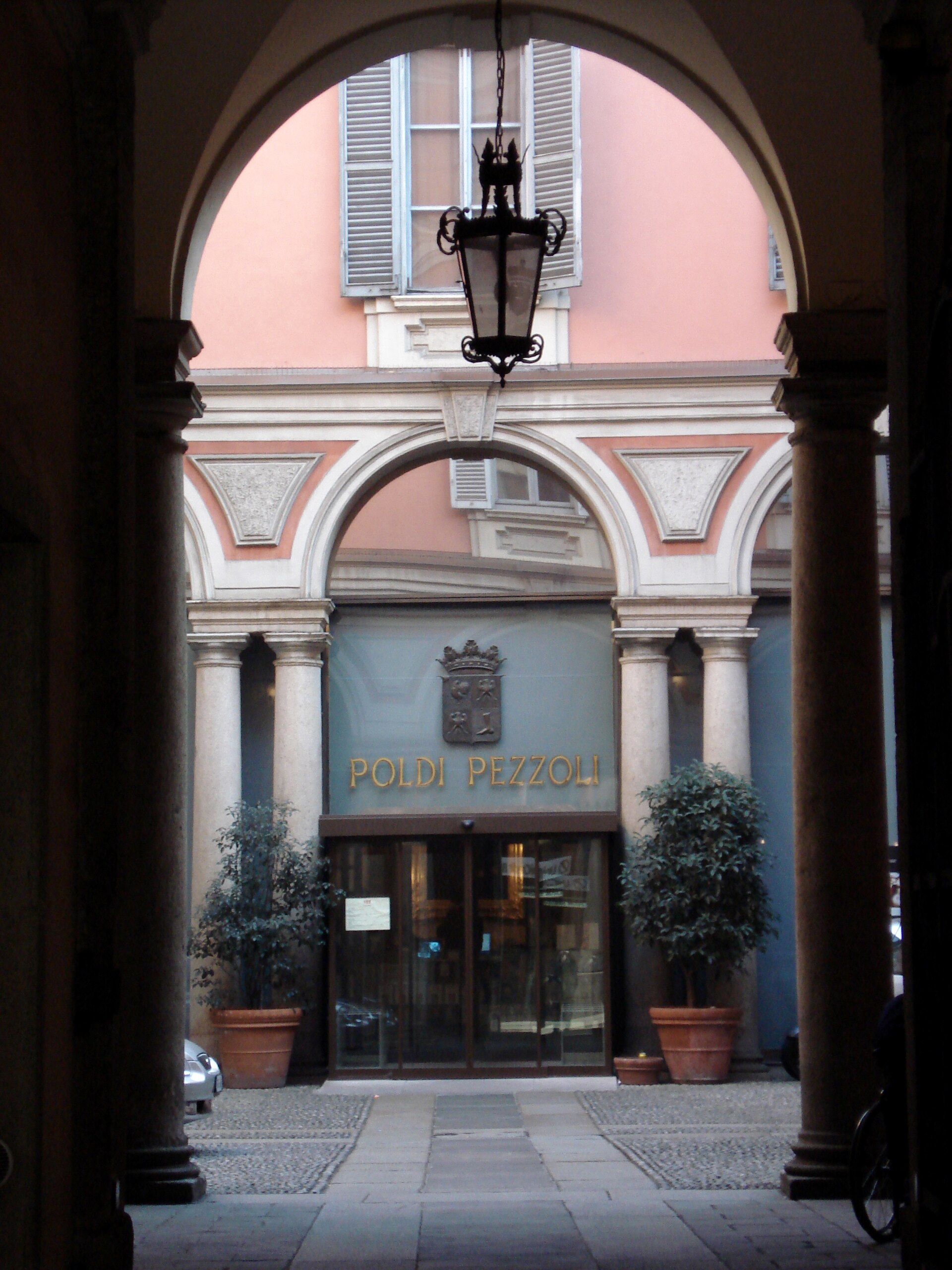
The Museo Poldi Pezzoli is a private art museum located in Milan, Italy, housed within the former residence of the 19th-century collector Gian Giacomo Poldi Pezzoli. The museum is renowned for its extensive collection of Northern Italian and Netherlandish paintings, as well as its significant holdings of decorative arts, including weaponry, glassworks, ceramics, jewelry, and period furnishings.
The museum reflects the aesthetic sensibilities of the 19th-century aristocratic collector, with many rooms designed to showcase specific artistic periods. It remains one of the most significant house-museums in Europe, offering insight into the private collecting habits of the Milanese elite during the Risorgimento.
Key Facts
- Materials
- Brick, Stucco, Marble, Wood
- Civilization
- Italian
- Accessibility
- Wheelchair accessible via elevator
- Date(s)
- 1846-1853
- Condition
- Well-preserved, active museum
- Original Function
- Private residence and art gallery
- Key Figures
- Gian Giacomo Poldi Pezzoli, Giuseppe Bertini
Foundation and Collection
1846-1879Gian Giacomo Poldi Pezzoli began transforming his family home into a private museum in the mid-19th century. With the assistance of his advisor Giuseppe Bertini, he acquired a vast array of Renaissance paintings and decorative objects, intending to create a space that celebrated Italian artistic heritage.
Public Bequest
1879-1881Upon his death in 1879, Poldi Pezzoli bequeathed his residence and its entire collection to the Brera Academy. The museum was officially opened to the public in 1881, maintaining the original layout and atmosphere of the private home.
War Damage and Reconstruction
1943During the Allied bombing of Milan in 1943, the museum suffered severe structural damage. Fortunately, the majority of the collection had been moved to safety, allowing for a meticulous restoration of the building and the re-installation of the galleries in the post-war period.
Cultural Significance
The museum serves as a primary example of the 19th-century 'house-museum' movement, where the architecture itself is curated to complement the art. It is a vital repository for Northern Italian Renaissance art and provides a unique look at the intersection of private wealth and public cultural patronage in Milan.
Interpretive Notes
Scholarly debates and areas of uncertainty
Debates often center on the attribution of specific Renaissance works within the collection, as well as the ethics of maintaining a 'frozen' 19th-century display versus modernizing the curatorial approach to improve accessibility and narrative clarity.
Visiting Information
Entry Rules
Open Wednesday through Monday. Tickets can be purchased online or at the entrance. Visitors are requested to leave large bags in the cloakroom.
Best Times to Visit
Weekday mornings are generally quieter. The museum is less crowded during the winter months compared to the peak tourist season in spring and autumn.
Photography
Personal photography is permitted without flash or tripods. Professional photography requires prior authorization from the museum administration.
Preservation Notes
Do not touch the artworks or display cases. Maintain a respectful distance from the paintings and decorative objects to ensure their long-term preservation.
Nearby POIs
11 shown- Museo Teatrale alla Scala0.2 km
- Bagatti Valsecchi Museum0.3 km
- Palazzo Morando0.3 km
- Pinacoteca di Brera0.4 km
- Duomo di Milano0.5 km
- Palazzo Reale di Milano0.6 km
- Museo Civico di Storia Naturale di Milano1 km
- Castello Sforzesco1 km
- Chiesa di San Maurizio al Monastero Maggiore1.1 km
- Basilica di Sant'Ambrogio1.4 km
- Triennale di Milano1.5 km
Sources & Further Reading
- [1]Museo Poldi Pezzoli: The Collection — Annalisa Zanni. Allemandi (2005)
- [2]The House-Museums of Milan — Rosanna Pavoni. Journal of the History of Collections (1999)
Key Facts
- Materials
- Brick, Stucco, Marble, Wood
- Civilization
- Italian
- Accessibility
- Wheelchair accessible via elevator
- Date(s)
- 1846-1853
- Condition
- Well-preserved, active museum
- Original Function
- Private residence and art gallery
- Key Figures
- Gian Giacomo Poldi Pezzoli, Giuseppe Bertini
Nearby POIs
11 shown- Museo Teatrale alla Scala0.2 km
- Bagatti Valsecchi Museum0.3 km
- Palazzo Morando0.3 km
- Pinacoteca di Brera0.4 km
- Duomo di Milano0.5 km
- Palazzo Reale di Milano0.6 km
- Museo Civico di Storia Naturale di Milano1 km
- Castello Sforzesco1 km
- Chiesa di San Maurizio al Monastero Maggiore1.1 km
- Basilica di Sant'Ambrogio1.4 km
- Triennale di Milano1.5 km