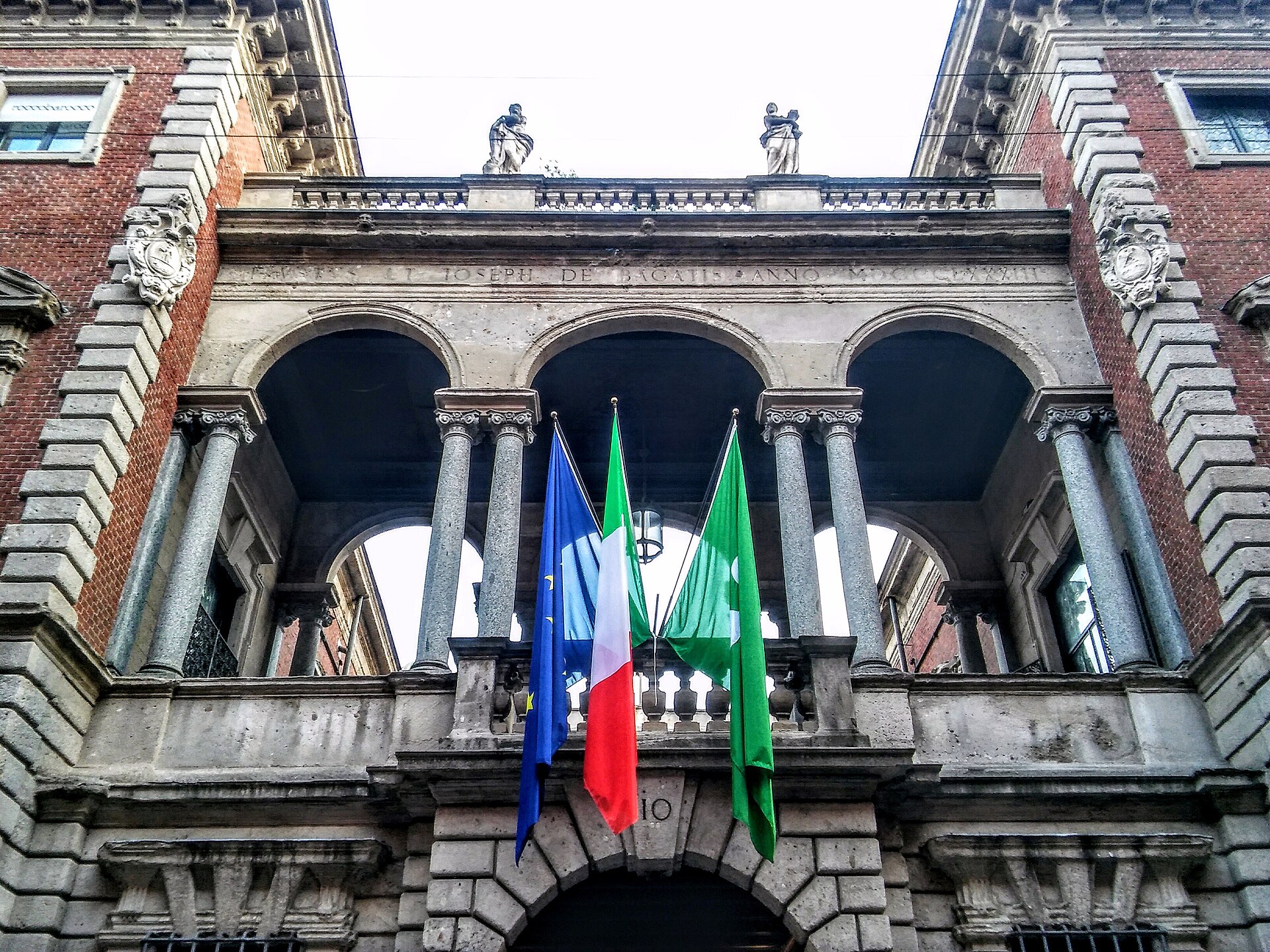
The Bagatti Valsecchi Museum is a historic house museum located in the heart of Milan, housed within the former residence of the brothers Baron Fausto and Baron Giuseppe Bagatti Valsecchi. The collection was assembled during the late 19th century, reflecting the brothers' passion for collecting 15th and 16th-century Italian art and decorative objects.
The residence itself is a masterpiece of the Lombard Neo-Renaissance style, designed to provide an authentic setting for the collection. Visitors can explore the original living quarters, which remain largely as they were at the turn of the 20th century, offering a unique glimpse into the lifestyle of the Milanese aristocracy during the Belle Époque.
Key Facts
- Materials
- Brick, Stone, Wood, Marble
- Civilization
- Italian
- Accessibility
- Partially accessible; elevator available for main floors
- Date(s)
- 1880-1894
- Condition
- Well-preserved, active museum
- Original Function
- Private residence
- Key Figures
- Fausto Bagatti Valsecchi, Giuseppe Bagatti Valsecchi
The Collection's Origins
Late 19th CenturyBarons Fausto and Giuseppe Bagatti Valsecchi began collecting Renaissance art and artifacts in the 1880s. Their goal was to create a home that evoked the atmosphere of a 16th-century Italian palazzo, integrating their collection into the daily life of their residence.
Architectural Design
1880-1894The family home in Milan was renovated and decorated under the guidance of the brothers themselves. They incorporated modern comforts of the time, such as electricity and heating, while maintaining a strict aesthetic adherence to Renaissance architectural principles.
Foundation and Opening
1974-1994The Bagatti Valsecchi Foundation was established in 1974 to preserve the collection and the house. Following extensive restoration, the museum officially opened to the public in 1994, allowing visitors to experience the residence as it appeared in the late 19th century.
Cultural Significance
The museum serves as a significant example of the 19th-century 'historicist' movement in Italy, where collectors sought to recreate the grandeur of the Renaissance. It provides critical insight into the private collecting habits of the Milanese elite and the evolution of domestic interior design during the late Victorian era.
Interpretive Notes
Scholarly debates and areas of uncertainty
Debates often center on the authenticity of the 'Renaissance' environment, specifically the extent to which the house is a genuine historical artifact versus a 19th-century interpretation of the past. Scholars analyze how the brothers curated their home to construct a specific identity rooted in Italian heritage.
Visiting Information
Entry Rules
Open Wednesday through Sunday. Tickets can be purchased at the entrance or online. Guided tours are available for groups by appointment.
Best Times to Visit
Weekday mornings are generally quieter. The museum often hosts temporary exhibitions that may influence visitor traffic.
Photography
Personal photography is permitted for non-commercial use without flash or tripods.
Preservation Notes
Visitors are requested not to touch the furniture, textiles, or artworks. Large bags must be left in the cloakroom.
Nearby POIs
11 shown- Palazzo Morando0.1 km
- Museo Poldi Pezzoli0.3 km
- Museo Teatrale alla Scala0.5 km
- Pinacoteca di Brera0.6 km
- Duomo di Milano0.7 km
- Museo Civico di Storia Naturale di Milano0.7 km
- Palazzo Reale di Milano0.8 km
- Castello Sforzesco1.2 km
- Chiesa di San Maurizio al Monastero Maggiore1.3 km
- Basilica di Sant'Ambrogio1.7 km
- Triennale di Milano1.7 km
Sources & Further Reading
- [1]The Bagatti Valsecchi Museum: A House Museum in Milan — Rosanna Pavoni. Silvana Editoriale (2004)
- [2]The Art of Collecting: The Bagatti Valsecchi Collection — Antonio Mazzotta. Museo Bagatti Valsecchi Publications (2015)
Key Facts
- Materials
- Brick, Stone, Wood, Marble
- Civilization
- Italian
- Accessibility
- Partially accessible; elevator available for main floors
- Date(s)
- 1880-1894
- Condition
- Well-preserved, active museum
- Original Function
- Private residence
- Key Figures
- Fausto Bagatti Valsecchi, Giuseppe Bagatti Valsecchi
Nearby POIs
11 shown- Palazzo Morando0.1 km
- Museo Poldi Pezzoli0.3 km
- Museo Teatrale alla Scala0.5 km
- Pinacoteca di Brera0.6 km
- Duomo di Milano0.7 km
- Museo Civico di Storia Naturale di Milano0.7 km
- Palazzo Reale di Milano0.8 km
- Castello Sforzesco1.2 km
- Chiesa di San Maurizio al Monastero Maggiore1.3 km
- Basilica di Sant'Ambrogio1.7 km
- Triennale di Milano1.7 km