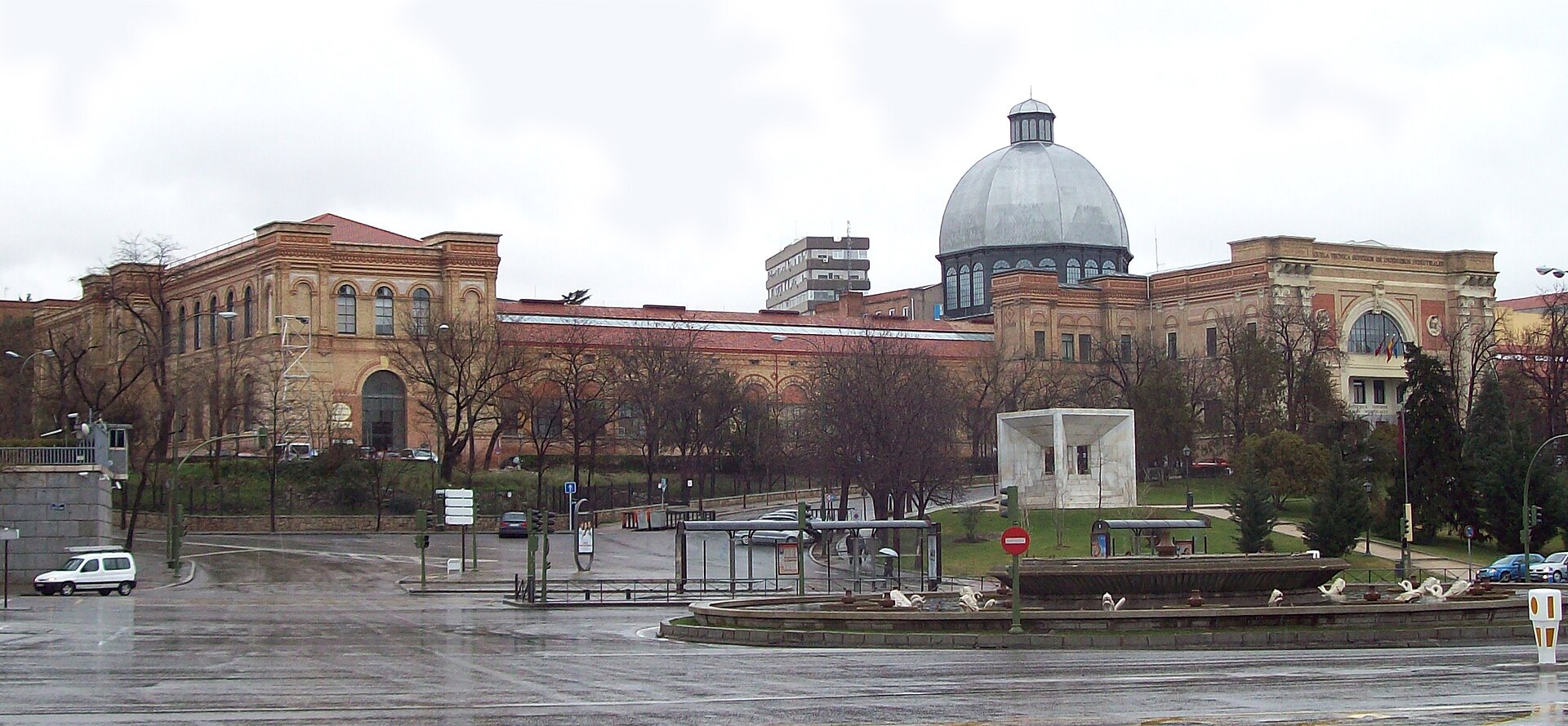
The Museo Nacional de Ciencias Naturales (MNCN) is one of the oldest natural history museums in Europe, founded in 1771 by King Charles III as the Royal Cabinet of Natural History. Located in the historic Palace of Arts and Industry in Madrid, the institution serves as a major center for research and public education in the fields of zoology, geology, and paleobiology.
The museum houses an extensive collection of specimens, including significant paleontological findings from the Iberian Peninsula and a vast array of taxidermy and mineralogical samples. It functions both as a public exhibition space and a high-level research facility under the Spanish National Research Council (CSIC), contributing to global biodiversity and evolutionary studies.
Key Facts
- Materials
- Brick, Stone, Iron
- Civilization
- Spanish
- Accessibility
- Fully wheelchair accessible
- Date(s)
- 1881-1887
- Condition
- Active research and exhibition facility
- Original Function
- Royal Cabinet of Natural History
- Key Figures
- King Charles III, Pedro Franco Dávila
Royal Foundation
1771King Charles III established the Royal Cabinet of Natural History, acquiring the extensive collection of Pedro Franco Dávila as its foundational core.
Relocation and Expansion
19th CenturyThe institution underwent several relocations before settling into its current home in the Palace of Arts and Industry, a building designed to showcase scientific progress during the late 19th century.
Integration into CSIC
20th CenturyThe museum was incorporated into the Spanish National Research Council (CSIC), shifting its focus toward rigorous scientific research while maintaining its public outreach mission.
Cultural Significance
The museum represents the Enlightenment-era commitment to scientific inquiry in Spain. It serves as a vital repository for the nation's natural heritage, documenting the biological and geological history of the Iberian Peninsula and beyond. It remains a cornerstone of scientific literacy in Madrid.
Interpretive Notes
Scholarly debates and areas of uncertainty
Ongoing discussions within the museum community focus on the ethics of displaying colonial-era collections and the balance between maintaining historical taxidermy displays versus modern, interactive educational exhibits.
Visiting Information
Entry Rules
Open Tuesday through Sunday. Tickets can be purchased online or at the box office. Concessions are available for students, seniors, and large groups.
Best Times to Visit
Weekday mornings are generally quieter, allowing for a more focused viewing of the permanent galleries.
Photography
Personal photography is permitted without flash or tripods. Commercial photography requires prior authorization.
Preservation Notes
Visitors are requested not to touch display cases or specimens. Some areas may be closed periodically for the rotation of temporary exhibitions.
Nearby POIs
11 shownSources & Further Reading
- [1]Historia del Museo Nacional de Ciencias Naturales — Museo Nacional de Ciencias Naturales. MNCN-CSIC Official Portal (2023)View
- [2]The Royal Cabinet of Natural History: A History — Pimentel, Juan. CSIC Press (2003)
Key Facts
- Materials
- Brick, Stone, Iron
- Civilization
- Spanish
- Accessibility
- Fully wheelchair accessible
- Date(s)
- 1881-1887
- Condition
- Active research and exhibition facility
- Original Function
- Royal Cabinet of Natural History
- Key Figures
- King Charles III, Pedro Franco Dávila