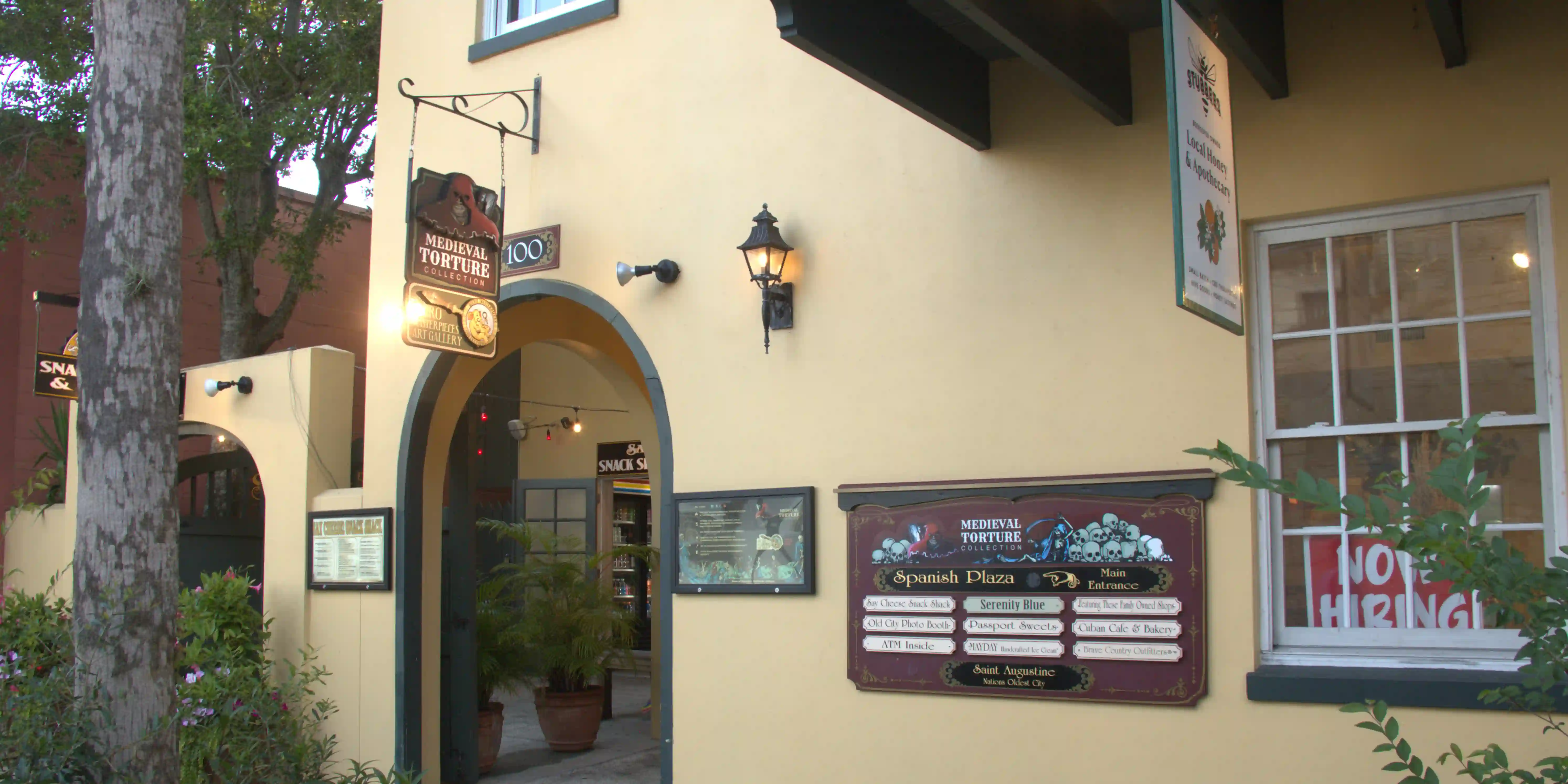
The Medieval Torture Museum in Saint Augustine, Florida, is a private exhibition space dedicated to the history of judicial punishment, torture, and execution devices. The collection features a wide array of historical replicas and artifacts designed to illustrate the methods of interrogation and capital punishment utilized across various European historical periods.
The museum offers an interactive experience, allowing visitors to view devices such as the rack, the iron maiden, and various restraint mechanisms. The exhibits are curated to provide historical context regarding the evolution of legal systems and the shift toward modern human rights standards in the administration of justice.
Key Facts
- Materials
- Steel, Wood, Iron
- Civilization
- Modern
- Accessibility
- Wheelchair accessible
- Date(s)
- 2019
- Condition
- Active
- Original Function
- Museum
- Key Figures
Establishment
2019The museum was established in Saint Augustine to house a private collection of historical torture devices, aiming to educate the public on the darker aspects of medieval and early modern judicial history.
Exhibition Development
2019-PresentSince its opening, the museum has expanded its interactive displays, incorporating audio guides and visual aids to explain the mechanics and historical usage of the various devices on display.
Cultural Significance
The museum serves as a site for public engagement with the history of violence and the development of legal systems. It highlights the transition from punitive, physical-based justice to modern correctional and judicial frameworks, prompting reflection on human rights and the ethics of historical punishment.
Interpretive Notes
Scholarly debates and areas of uncertainty
There is ongoing discussion among historians regarding the authenticity of many 'torture devices' found in private collections, as many items labeled as medieval are often 19th-century fabrications or romanticized interpretations of historical torture methods.
Visiting Information
Entry Rules
Open daily. Tickets can be purchased on-site or online. The museum contains graphic depictions of violence and is generally recommended for mature audiences.
Best Times to Visit
Weekday mornings are typically less crowded, allowing for a more thorough viewing of the exhibits.
Photography
Personal photography is permitted throughout the museum.
Preservation Notes
Visitors are requested not to touch the artifacts or climb on the display structures to ensure the preservation of the collection.
Nearby POIs
9 shownSources & Further Reading
- [1]Medieval Torture Museum Official Site — Medieval Torture Museum. medievaltorturemuseum.com (2024)View
- [2]The Myth of the Medieval Torture Museum — Various. Historical Review (2020)
Key Facts
- Materials
- Steel, Wood, Iron
- Civilization
- Modern
- Accessibility
- Wheelchair accessible
- Date(s)
- 2019
- Condition
- Active
- Original Function
- Museum
- Key Figures