Saint Augustine,United States of America
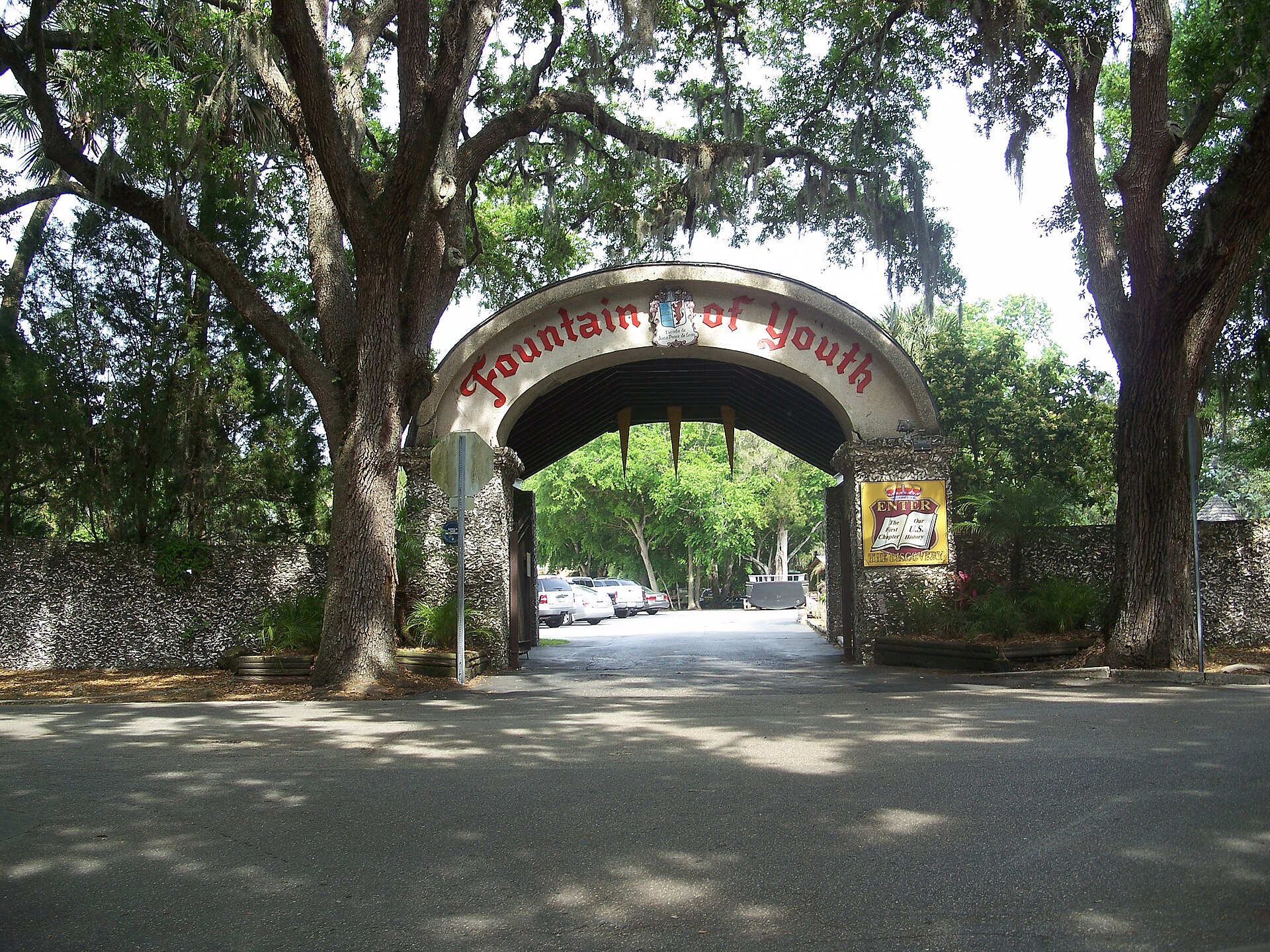
Fountain of Youth Archaeological Park
The Fountain of Youth Archaeological Park is a 15-acre site located in St. Augustine, Florida, marking the location of the 1565 Spanish settlement of Nombre de Dios. The site is historically significant as the oldest successful European settlement in the continental United States, predating the English colony at Jamestown by several decades.
The park is centered around a natural spring that has been associated with the legend of Juan Ponce de León’s search for the Fountain of Youth since the early 20th century. Archaeological excavations at the site have uncovered evidence of both indigenous Timucua settlements and the early Spanish mission, providing insight into the complex interactions between native populations and European explorers.
Key Facts
- Materials
- Coquina, Wood, Earth
- Civilization
- Spanish / Timucua
- Accessibility
- Wheelchair accessible paths
- Date(s)
- 1565 CE
- Condition
- Preserved archaeological park
- Original Function
- Colonial settlement and mission
- Key Figures
- Pedro Menéndez de Avilés, Juan Ponce de León
Indigenous Occupation
Pre-1565The site was originally inhabited by the Timucua people, who established a village known as Seloy. Archaeological evidence confirms a long-standing indigenous presence characterized by complex social structures and reliance on local coastal resources.
Spanish Settlement
1565Pedro Menéndez de Avilés landed at the site in 1565, establishing the first permanent Spanish settlement in North America. The location served as the initial base for the mission of Nombre de Dios, the first mission in the region.
Modern Development
1904 - PresentIn the early 20th century, Luella Day McConnell purchased the property and promoted the site as the location of Ponce de León's legendary discovery. Subsequent archaeological investigations have focused on documenting the site's genuine colonial history while managing the site's status as a popular tourist destination.
Cultural Significance
The site serves as a focal point for the history of Spanish Florida and the legacy of early European-Indigenous contact. It is central to the identity of St. Augustine as the 'Nation's Oldest City,' bridging the gap between historical fact and the enduring American folklore surrounding the Fountain of Youth.
Interpretive Notes
Scholarly debates and areas of uncertainty
There is significant scholarly debate regarding the historical accuracy of the site's association with Juan Ponce de León. While there is no primary source evidence that Ponce de León landed at this specific location in 1513, the site remains an important archaeological record of the 1565 Spanish arrival.
Visiting Information
Entry Rules
Open daily. Admission tickets are required for entry. Visitors are encouraged to follow marked trails and respect ongoing archaeological research areas.
Best Times to Visit
Weekdays during the off-season (September to November) offer the best experience with fewer crowds and milder temperatures.
Photography
Personal photography is permitted throughout the park. Commercial photography requires prior authorization from park management.
Preservation Notes
Stay on designated walkways to protect sensitive archaeological layers. Do not disturb artifacts or excavation markers.
Nearby POIs
9 shownSources & Further Reading
- [1]The First Spanish Settlement: St. Augustine — Michael Gannon. University Press of Florida (1965)
- [2]Archaeology of the Spanish Colonial Period in Florida — Kathleen Deagan. Florida Museum of Natural History (1988)
Key Facts
- Materials
- Coquina, Wood, Earth
- Civilization
- Spanish / Timucua
- Accessibility
- Wheelchair accessible paths
- Date(s)
- 1565 CE
- Condition
- Preserved archaeological park
- Original Function
- Colonial settlement and mission
- Key Figures
- Pedro Menéndez de Avilés, Juan Ponce de León