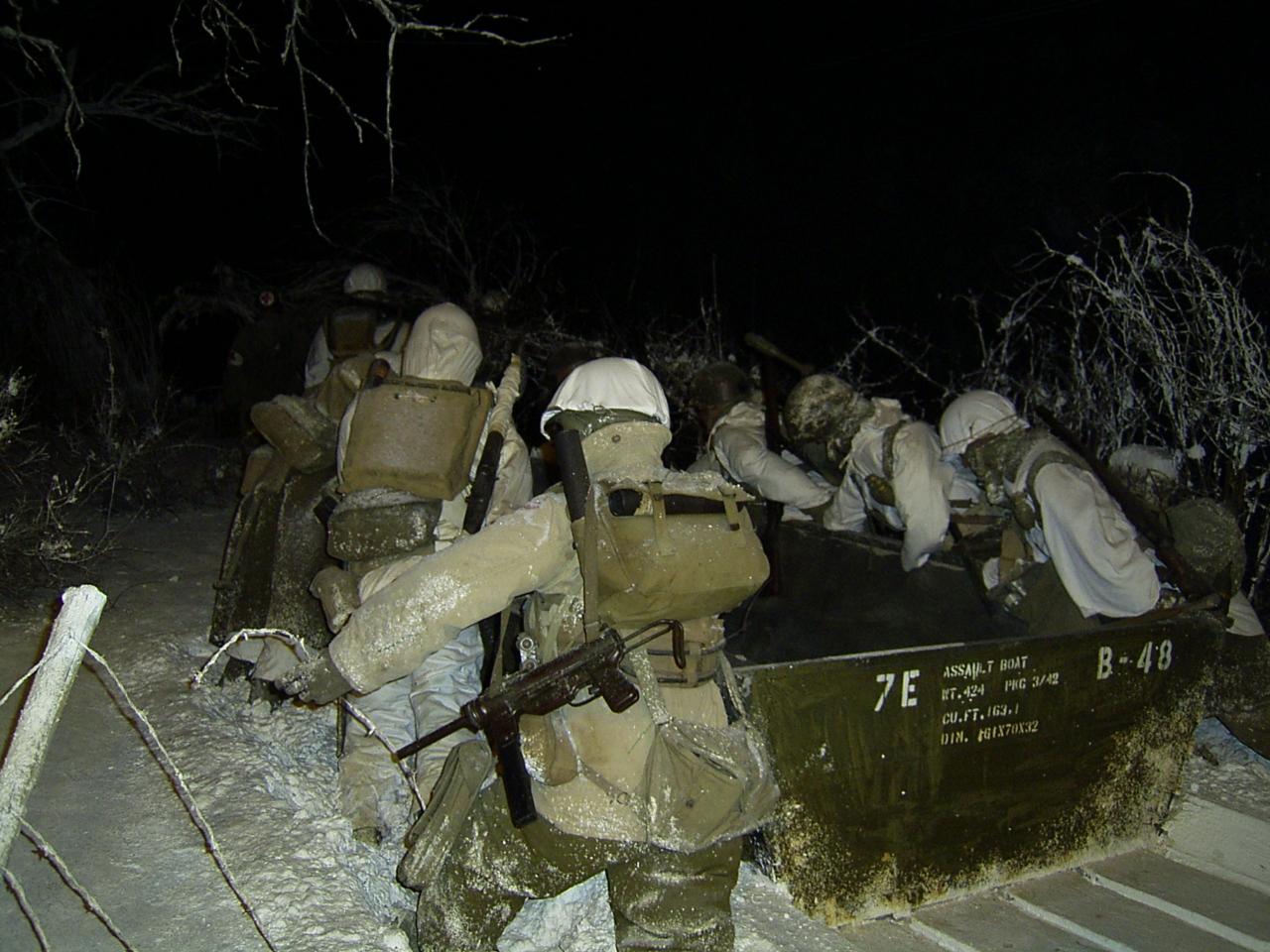
The National Museum of Military History (MNHM) in Diekirch is dedicated primarily to the history of the Battle of the Bulge, which took place in the Ardennes during the winter of 1944-1945. Housed in a former brewery building, the museum provides a comprehensive look at the military operations in Luxembourg through an extensive collection of artifacts, heavy weaponry, and vehicles.
The museum is widely recognized for its life-sized dioramas that recreate scenes from the conflict, offering a visceral perspective on the experiences of both soldiers and civilians. Beyond the Battle of the Bulge, the exhibits also cover the broader military history of Luxembourg, including the country's participation in international missions and the evolution of its armed forces.
Key Facts
- Materials
- Brick, Steel, Concrete
- Civilization
- Luxembourgish
- Accessibility
- Wheelchair accessible
- Date(s)
- 1984
- Condition
- Active museum
- Original Function
- Brewery
- Key Figures
- Roland Gaul
Foundation and Origins
1984The museum was founded in 1984 by a group of local history enthusiasts, including Roland Gaul, who sought to preserve the memory of the Battle of the Bulge in the Diekirch region.
Expansion and Relocation
1993In 1993, the museum moved into its current premises, a former brewery building, which allowed for a significant expansion of the exhibition space and the inclusion of larger military vehicles.
Modern Development
21st CenturyThe museum has continued to modernize its displays, focusing on immersive dioramas and digital archives to maintain its status as a premier site for World War II research and education in Europe.
Cultural Significance
The museum serves as a vital site of memory for the Luxembourgish people, particularly regarding the liberation of the country during World War II. It plays a significant role in local education and international tourism, fostering a deeper understanding of the human cost of the Ardennes Offensive.
Interpretive Notes
Scholarly debates and areas of uncertainty
Discussions often center on the historiographical balance between focusing on the tactical military movements of the Battle of the Bulge versus the civilian experience of the occupation and liberation.
Visiting Information
Entry Rules
Open daily from 10:00 to 18:00. Tickets can be purchased at the entrance. No specific dress code is required.
Best Times to Visit
Weekdays during the shoulder seasons (spring and autumn) offer the best balance of accessibility and crowd levels.
Photography
Personal photography is permitted for non-commercial use. Flash photography is discouraged near sensitive artifacts.
Preservation Notes
Do not touch the dioramas or vehicles. Maintain a respectful distance from all displays to ensure the preservation of historical items.
Nearby POIs
10 shownSources & Further Reading
- [1]
- [2]The Battle of the Bulge: A History — Roland Gaul. Schortgen Editions (2010)
Key Facts
- Materials
- Brick, Steel, Concrete
- Civilization
- Luxembourgish
- Accessibility
- Wheelchair accessible
- Date(s)
- 1984
- Condition
- Active museum
- Original Function
- Brewery
- Key Figures
- Roland Gaul