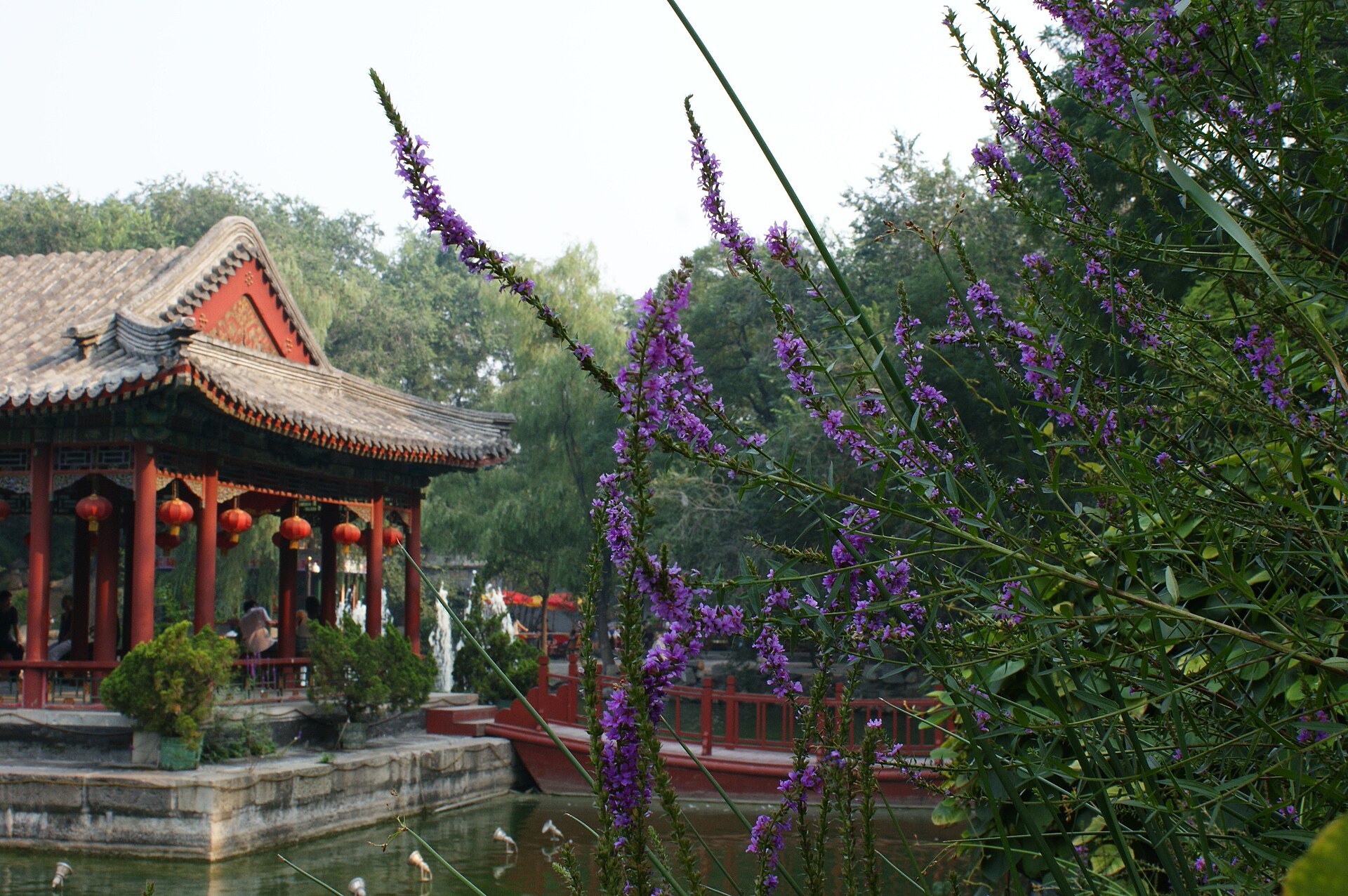
Prince Gong's Mansion, located in the Xicheng District of Beijing, is one of the best-preserved princely mansions from the Qing Dynasty. Originally constructed in the late 18th century for Heshen, a powerful and controversial official under the Qianlong Emperor, the estate reflects the architectural grandeur and social hierarchy of the era's elite.
The complex consists of a series of traditional siheyuan (courtyard) residences and an expansive, meticulously landscaped garden. Following Heshen's downfall, the property was confiscated by the Jiaqing Emperor and eventually granted to Prince Gong, Yixin, in the mid-19th century, from whom it derives its current name.
Key Facts
- Materials
- Wood, Brick, Stone, Glazed tile
- Civilization
- Qing Dynasty
- Accessibility
- Partially accessible; some uneven paths in garden areas
- Date(s)
- 1777 CE
- Condition
- Restored and open as a museum
- Original Function
- Private residence for Heshen
- Key Figures
- Heshen, Prince Gong (Yixin), Qianlong Emperor
Construction under Heshen
1777-1799The mansion was built by Heshen, a favorite of the Qianlong Emperor. Its design was famously opulent, reportedly featuring architectural elements that mimicked the Forbidden City, which contributed to the charges of corruption brought against him.
Imperial Confiscation
1799Following the death of the Qianlong Emperor, Heshen was arrested and forced to commit suicide by the Jiaqing Emperor. The mansion was confiscated and briefly occupied by Prince Qing, Yonglin.
The Era of Prince Gong
1851-1898In 1851, the Xianfeng Emperor granted the estate to his brother, Prince Gong. During this period, the mansion became a center for political activity, particularly regarding China's diplomatic relations with Western powers.
Modern Preservation
1982-PresentThe mansion was designated a Major Historical and Cultural Site Protected at the National Level in 1982. Extensive restoration efforts have since returned the gardens and residential courtyards to their historical appearance for public visitation.
Cultural Significance
The mansion serves as a primary example of the 'Prince's Mansion' architectural style, which was strictly regulated by the Qing imperial court. It provides insight into the lifestyle of the Manchu nobility and the political volatility of the late Qing period.
Beyond its architectural value, the site is a significant cultural landmark in Beijing, representing the transition from the height of Qing prosperity to the decline of the imperial system. It remains a popular site for studying traditional Chinese garden design and residential layout.
Interpretive Notes
Scholarly debates and areas of uncertainty
There is ongoing academic discussion regarding the extent to which the mansion's original layout was intended to challenge imperial authority. Some historians argue that certain architectural features were deliberate provocations by Heshen, while others suggest they were standard for high-ranking officials of his status.
Visiting Information
Entry Rules
Open daily. Tickets must be purchased in advance via the official online platform. Visitors are required to present valid identification at the entrance.
Best Times to Visit
Spring and autumn offer the most pleasant weather for exploring the extensive gardens. Weekdays are recommended to avoid heavy domestic tourism crowds.
Photography
Personal photography is permitted in all areas. Tripods and commercial photography equipment require prior authorization from the management office.
Preservation Notes
Visitors are requested to remain on designated paths within the garden and refrain from touching wooden structures or artifacts. Smoking and the use of open flames are strictly prohibited throughout the complex.
Nearby POIs
11 shown- Drum Tower and Bell Tower of Beijing1 km
- Forbidden City2.2 km
- National Art Museum of China2.3 km
- Beijing Temple of Confucius2.6 km
- Yonghe Temple2.9 km
- National Museum of China3.7 km
- Chairman Mao Memorial Hall3.9 km
- Zhengyangmen4.1 km
- Capital Museum5.1 km
- Military Museum of the Chinese People's Revolution6.1 km
- Temple of Heaven6.9 km
Sources & Further Reading
- [1]The Qing Dynasty Mansion: Architecture and Power — Wang, Qijun. Beijing Arts Press (2010)
- [2]Heshen and the Corruption of the Qing Court — Kahn, Harold L.. Harvard University Press (1971)
Key Facts
- Materials
- Wood, Brick, Stone, Glazed tile
- Civilization
- Qing Dynasty
- Accessibility
- Partially accessible; some uneven paths in garden areas
- Date(s)
- 1777 CE
- Condition
- Restored and open as a museum
- Original Function
- Private residence for Heshen
- Key Figures
- Heshen, Prince Gong (Yixin), Qianlong Emperor
Nearby POIs
11 shown- Drum Tower and Bell Tower of Beijing1 km
- Forbidden City2.2 km
- National Art Museum of China2.3 km
- Beijing Temple of Confucius2.6 km
- Yonghe Temple2.9 km
- National Museum of China3.7 km
- Chairman Mao Memorial Hall3.9 km
- Zhengyangmen4.1 km
- Capital Museum5.1 km
- Military Museum of the Chinese People's Revolution6.1 km
- Temple of Heaven6.9 km