Philadelphia,United States of America
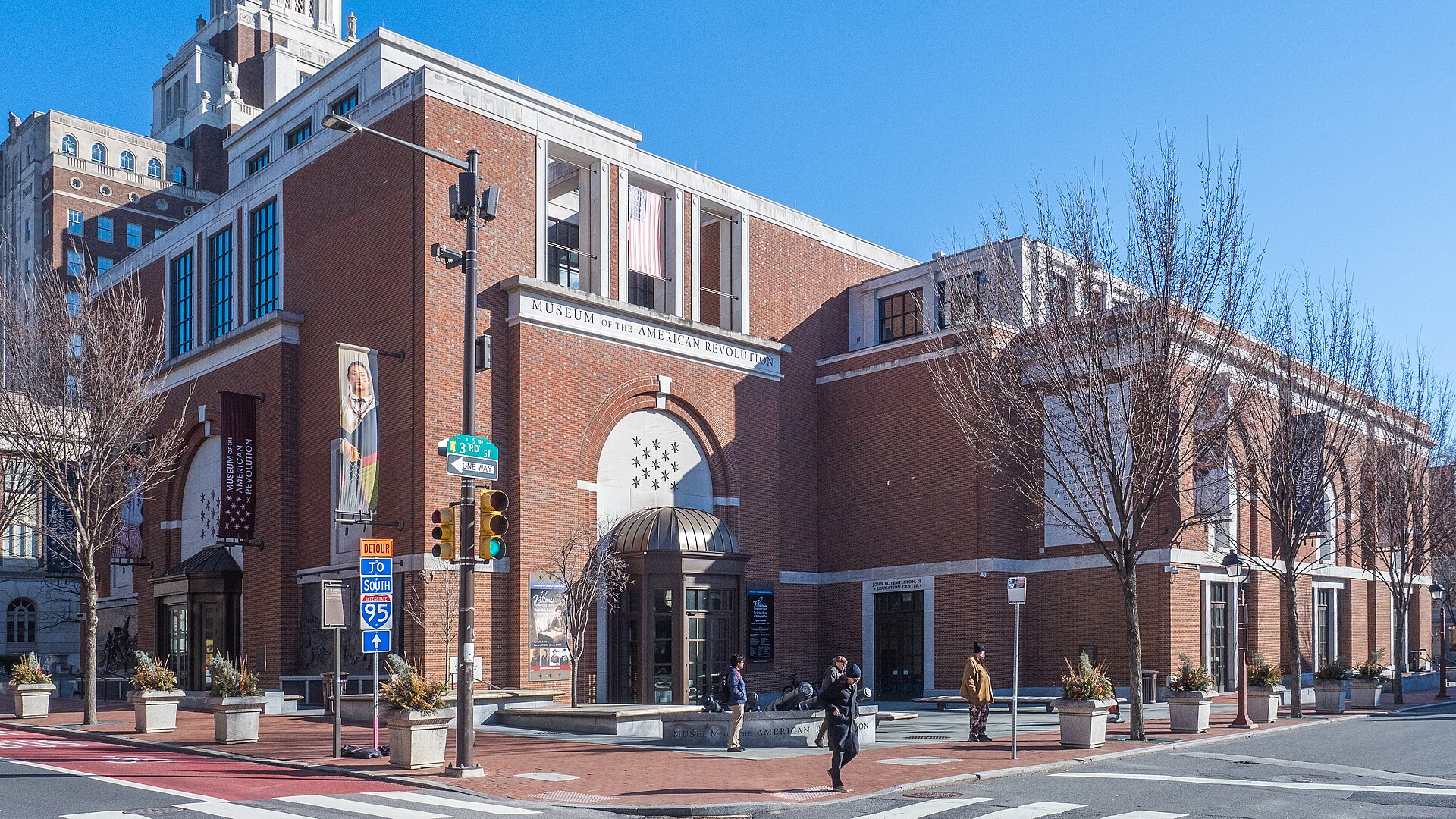
Museum of the American Revolution
The Museum of the American Revolution is a history museum located in the historic district of Philadelphia, Pennsylvania. It is dedicated to documenting the political, social, and military history of the American Revolution through an extensive collection of artifacts, manuscripts, and immersive exhibits. The museum serves as a primary center for the study and interpretation of the conflict that led to the independence of the United States.
The institution houses thousands of objects, including George Washington's original headquarters tent, which serves as the museum's centerpiece. The exhibits are designed to provide a comprehensive narrative of the war, highlighting the diverse experiences of soldiers, civilians, women, and enslaved people during the revolutionary period.
Key Facts
- Materials
- Glass, Steel, Brick
- Civilization
- United States
- Accessibility
- Fully ADA compliant
- Date(s)
- 2017
- Condition
- Active
- Original Function
- Museum
- Key Figures
- George Washington
Founding and Vision
20th CenturyThe origins of the museum trace back to the 1909 acquisition of George Washington's headquarters tent by the Reverend W. Herbert Burk. For decades, the collection was held by the Valley Forge Historical Society before plans were formalized to create a dedicated museum in Philadelphia.
Construction and Opening
2014-2017Ground was broken for the new facility in 2014 at the corner of Third and Chestnut Streets in Philadelphia's historic district. The museum officially opened to the public on April 19, 2017, the 242nd anniversary of the Battles of Lexington and Concord.
Modern Operations
2017-PresentThe museum continues to expand its collection and educational programming. It serves as a hub for historical research and public engagement, hosting rotating exhibitions that explore the complexities of the American founding and its ongoing legacy.
Cultural Significance
The museum plays a critical role in the public understanding of American identity. By emphasizing the multifaceted nature of the Revolution, it moves beyond traditional military narratives to include the perspectives of marginalized groups, thereby fostering a more inclusive dialogue about the nation's origins.
Interpretive Notes
Scholarly debates and areas of uncertainty
Debates within the museum community often center on the balance between traditional 'great man' history and social history. Scholars frequently discuss how to best represent the conflicting loyalties of the period and the extent to which the Revolution achieved its stated ideals of liberty and equality for all inhabitants of the colonies.
Visiting Information
Entry Rules
Open daily. Tickets are required for entry and can be purchased online or at the box office. Visitors are subject to security screening upon arrival.
Best Times to Visit
Weekdays during the school year offer the quietest experience. The museum is busiest during summer months and holiday weekends.
Photography
Personal photography is permitted in most galleries without flash. Tripods and professional video equipment require prior authorization.
Preservation Notes
Flash photography is prohibited in galleries containing light-sensitive textiles and manuscripts. Please refrain from touching artifacts or display cases.
Nearby POIs
8 shownKey Facts
- Materials
- Glass, Steel, Brick
- Civilization
- United States
- Accessibility
- Fully ADA compliant
- Date(s)
- 2017
- Condition
- Active
- Original Function
- Museum
- Key Figures
- George Washington