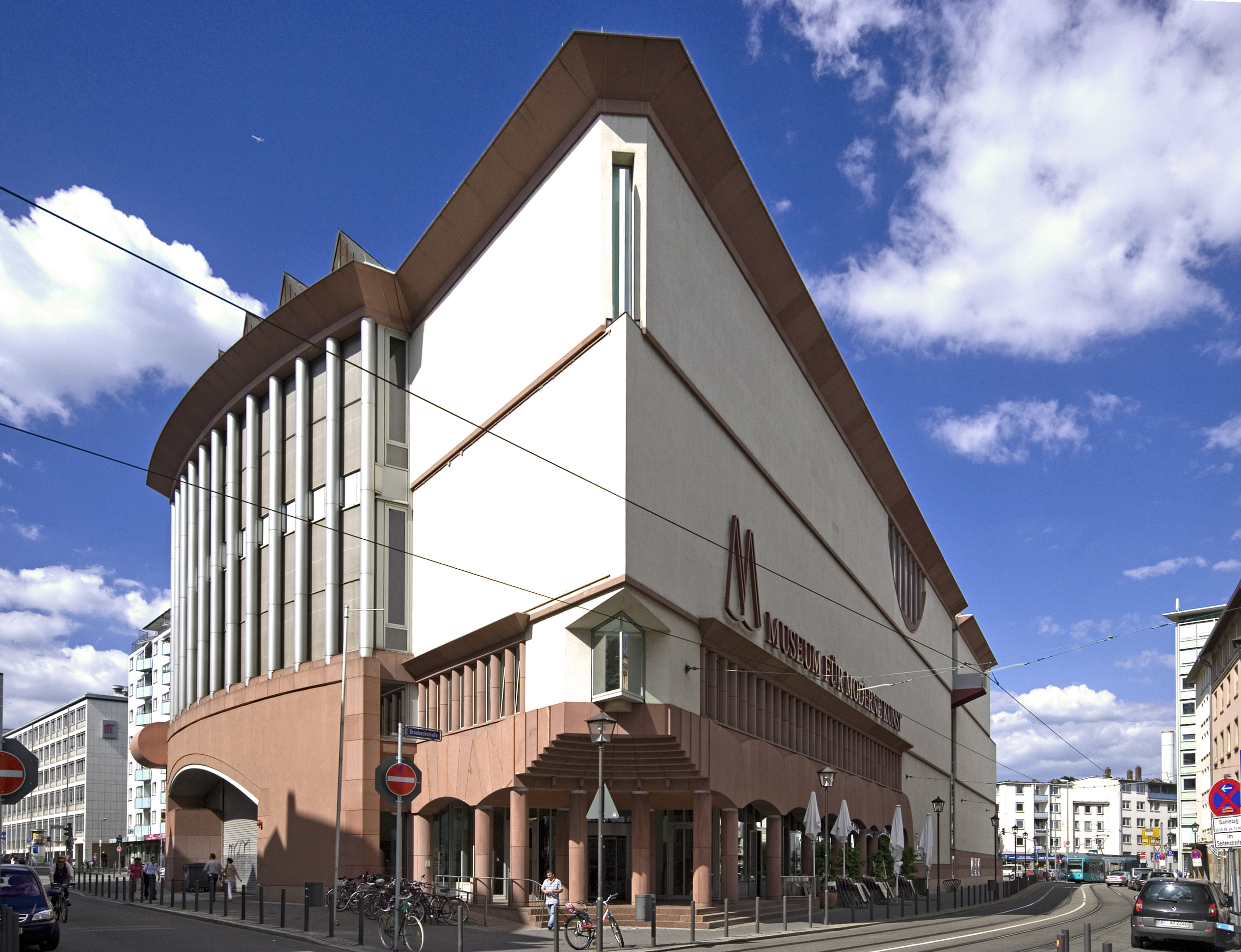
The Museum für Moderne Kunst (MMK) is a prominent institution for contemporary art located in Frankfurt, Germany. Opened in 1991, the museum is housed in a distinctive postmodern building designed by the Austrian architect Hans Hollein. The structure is famously triangular, often referred to as the 'piece of cake' due to its unique geometry, which creates unconventional exhibition spaces that challenge traditional gallery layouts.
The museum holds an extensive collection of over 5,000 works, spanning from the 1960s to the present day. Its holdings include significant pieces of Pop Art, Minimalism, and Conceptual Art, featuring works by artists such as Andy Warhol, Roy Lichtenstein, and Gerhard Richter. The MMK is recognized for its thematic approach to curation, often rotating its collection to provide new perspectives on contemporary discourse.
Key Facts
- Materials
- Sandstone, Glass, Steel
- Civilization
- Modern German
- Accessibility
- Fully wheelchair accessible
- Date(s)
- 1987-1991
- Condition
- Active
- Original Function
- Art Museum
- Key Figures
- Hans Hollein, Peter Iden, Jean-Christophe Ammann
Founding and Vision
1981-1991The museum was established following the acquisition of the Peter and Irene Ludwig collection. Architect Hans Hollein was commissioned to design the building, aiming to create a space that would integrate seamlessly into the historic urban fabric of Frankfurt's old town while providing a modern environment for art.
Inauguration
1991The museum officially opened its doors in June 1991. Under its first director, Jean-Christophe Ammann, the institution quickly gained international acclaim for its innovative exhibition concepts and its focus on the dialogue between the architecture and the artworks.
Expansion and Modernization
2006-PresentThe museum has expanded its footprint over the years, including the addition of the MMK Zollamt and the Tower MMK. These satellite locations allow the institution to host larger-scale installations and temporary exhibitions, maintaining its status as a leading center for contemporary art in Europe.
Cultural Significance
The MMK serves as a cornerstone of Frankfurt's cultural landscape, bridging the gap between the city's historical heritage and its identity as a global financial and modern hub. Its architecture is considered a landmark of postmodern design, influencing how museums interact with urban density and historical surroundings.
Interpretive Notes
Scholarly debates and areas of uncertainty
Debates often center on the efficacy of the building's triangular floor plan. While praised for its aesthetic uniqueness, some curators argue that the irregular angles and varying ceiling heights present significant challenges for the installation of large-scale contemporary works.
Visiting Information
Entry Rules
Open Tuesday to Sunday. Tickets can be purchased online or at the museum entrance. Concessions are available for students and seniors.
Best Times to Visit
Weekday mornings are generally quieter. The museum often hosts special events during the annual Museumsuferfest in August.
Photography
Non-commercial photography is permitted for personal use without flash or tripods. Specific temporary exhibitions may have restricted photography policies.
Preservation Notes
Maintain distance from artworks. Large bags and backpacks must be stored in provided lockers. Food and drink are strictly prohibited in the galleries.
Nearby POIs
10 shownSources & Further Reading
- [1]Hans Hollein: Museum für Moderne Kunst Frankfurt — Hans Hollein. Prestel Publishing (1991)
- [2]Museum für Moderne Kunst Frankfurt am Main — Jean-Christophe Ammann. Museum für Moderne Kunst (1991)
Key Facts
- Materials
- Sandstone, Glass, Steel
- Civilization
- Modern German
- Accessibility
- Fully wheelchair accessible
- Date(s)
- 1987-1991
- Condition
- Active
- Original Function
- Art Museum
- Key Figures
- Hans Hollein, Peter Iden, Jean-Christophe Ammann