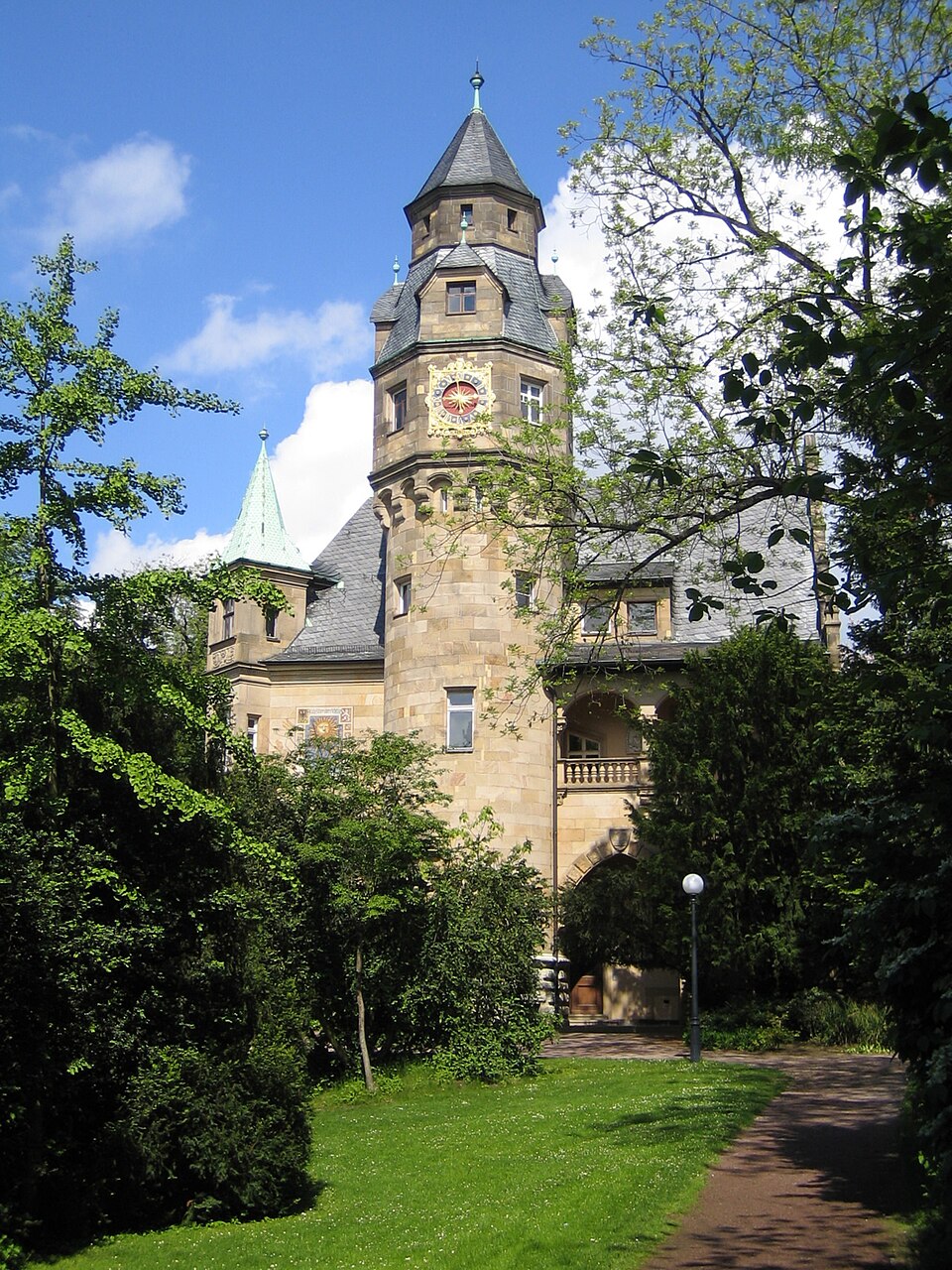
The Liebieghaus is a prominent art museum located on the Museum Embankment (Museumsufer) in Frankfurt, Germany. Housed in a historic villa built in 1896 for the Bohemian textile manufacturer Baron Heinrich von Liebieg, the institution specializes in sculpture, maintaining a collection that spans over 5,000 years of human history.
The museum's holdings include over 3,000 works ranging from ancient Egyptian, Greek, and Roman artifacts to medieval, Renaissance, and Neoclassical sculptures. The villa itself serves as a significant example of historicist architecture, providing an intimate setting for the display of works that trace the evolution of sculptural techniques and aesthetic values across diverse civilizations.
Key Facts
- Materials
- Sandstone, Brick
- Civilization
- European
- Accessibility
- Wheelchair accessible
- Date(s)
- 1896
- Condition
- Well-preserved museum
- Original Function
- Private residence
- Key Figures
- Heinrich von Liebieg, Georg Treu
Origins as a Private Villa
1896The building was commissioned by Baron Heinrich von Liebieg, a textile industrialist from Bohemia. Designed by architect Leonhard Romeis, the villa was constructed in a historicist style, reflecting the architectural trends of the late 19th century in Frankfurt.
Establishment as a Museum
1907-1909The city of Frankfurt acquired the villa in 1907. Following renovations to adapt the residential space for public exhibition, the Liebieghaus opened as a sculpture museum in 1909, housing the city's growing collection of plastic arts.
Expansion and Modernization
20th-21st centuryThroughout the 20th century, the museum expanded its collection significantly. Major renovations in the early 2000s modernized the exhibition spaces and improved accessibility, ensuring the preservation of the historic structure while meeting contemporary museum standards.
Cultural Significance
The Liebieghaus is a cornerstone of Frankfurt's Museumsufer, a cultural district of international importance. By focusing exclusively on sculpture, it provides a unique perspective on art history, allowing visitors to compare stylistic developments across different eras and regions in a concentrated, thematic environment.
Interpretive Notes
Scholarly debates and areas of uncertainty
Discussions regarding the museum often center on the provenance of specific antiquities within the collection and the ongoing challenge of balancing the preservation of the historic villa's interior with the requirements of modern climate-controlled display environments.
Visiting Information
Entry Rules
Open Tuesday through Sunday. Tickets can be purchased online or at the museum entrance. Concessions are available for students and groups.
Best Times to Visit
Weekday mornings are generally quieter, allowing for a more focused viewing experience of the sculpture galleries.
Photography
Non-commercial photography is permitted without flash or tripods. Professional photography requires prior authorization from the museum administration.
Preservation Notes
Visitors are requested to maintain a respectful distance from the sculptures and refrain from touching the surfaces of the artifacts. Large bags must be stored in provided lockers.
Nearby POIs
10 shownKey Facts
- Materials
- Sandstone, Brick
- Civilization
- European
- Accessibility
- Wheelchair accessible
- Date(s)
- 1896
- Condition
- Well-preserved museum
- Original Function
- Private residence
- Key Figures
- Heinrich von Liebieg, Georg Treu