Houston,United States of America
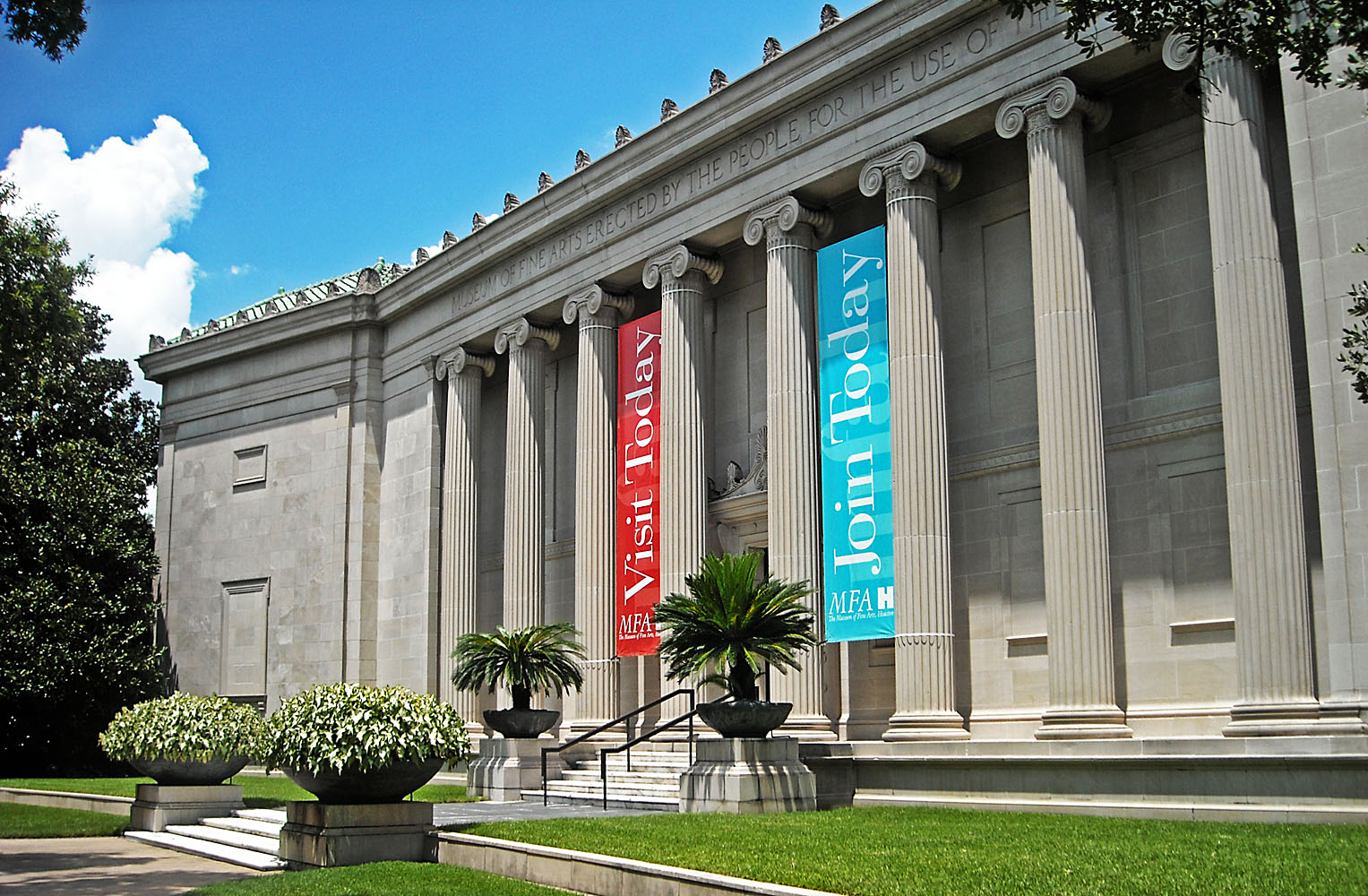
Museum of Fine Arts, Houston
The Museum of Fine Arts, Houston (MFAH) is one of the largest art museums in the United States, housing a collection that spans over 5,000 years of history. With nearly 80,000 works representing six continents, the institution serves as a major cultural hub in the Texas Gulf Coast region.
The museum campus is composed of several interconnected buildings, including the Caroline Wiess Law Building, the Audrey Jones Beck Building, and the Nancy and Rich Kinder Building. These structures showcase a diverse range of architectural styles, from neoclassical designs to contemporary glass-and-concrete forms, housing extensive collections of European painting, American art, photography, and decorative arts.
Key Facts
- Materials
- Limestone, Glass, Concrete, Steel
- Civilization
- American
- Accessibility
- Fully wheelchair accessible
- Date(s)
- 1924-present
- Condition
- Active, well-maintained
- Original Function
- Art museum
- Key Figures
- William C. Ward, Audrey Jones Beck, Steven Holl
Founding and Early Years
1900-1924The museum traces its origins to the Houston Art League, founded in 1900. In 1924, the first permanent building, designed by William Ward Watkin, opened to the public, establishing the first art museum in Texas.
Expansion and Modernization
1950-2000The museum underwent significant growth throughout the mid-20th century. The Caroline Wiess Law Building was expanded in stages by Ludwig Mies van der Rohe, and the Audrey Jones Beck Building opened in 2000 to accommodate the growing collection.
The Kinder Building Era
2020-presentThe completion of the Nancy and Rich Kinder Building in 2020 marked a major transformation of the campus, focusing on modern and contemporary art and providing new spaces for international exhibitions.
Cultural Significance
The MFAH is a cornerstone of Houston's cultural identity, acting as a bridge between diverse international art traditions and the local community. It plays a vital role in regional education and serves as a major repository for Latin American and Pre-Columbian art in the United States.
Interpretive Notes
Scholarly debates and areas of uncertainty
Discussions regarding the museum's collection often center on the provenance of antiquities and the ethical considerations of acquiring works from international sources, reflecting broader global debates in the museum community.
Visiting Information
Entry Rules
Open daily except Mondays. Tickets are required for general admission and special exhibitions. Members receive free entry.
Best Times to Visit
Weekday mornings are generally quieter. The museum is often crowded during major traveling exhibitions and on free-admission Thursdays.
Photography
Personal photography is permitted in permanent collection galleries without flash. Tripods and selfie sticks are prohibited. Special exhibitions may have specific restrictions.
Preservation Notes
Maintain a safe distance from all artworks. Food and drink are prohibited in the galleries. Large bags must be checked at the coat check.
Nearby POIs
8 shownSources & Further Reading
- [1]The Museum of Fine Arts, Houston: A History — Peter C. Marzio. MFAH Publications (2000)
- [2]
Key Facts
- Materials
- Limestone, Glass, Concrete, Steel
- Civilization
- American
- Accessibility
- Fully wheelchair accessible
- Date(s)
- 1924-present
- Condition
- Active, well-maintained
- Original Function
- Art museum
- Key Figures
- William C. Ward, Audrey Jones Beck, Steven Holl