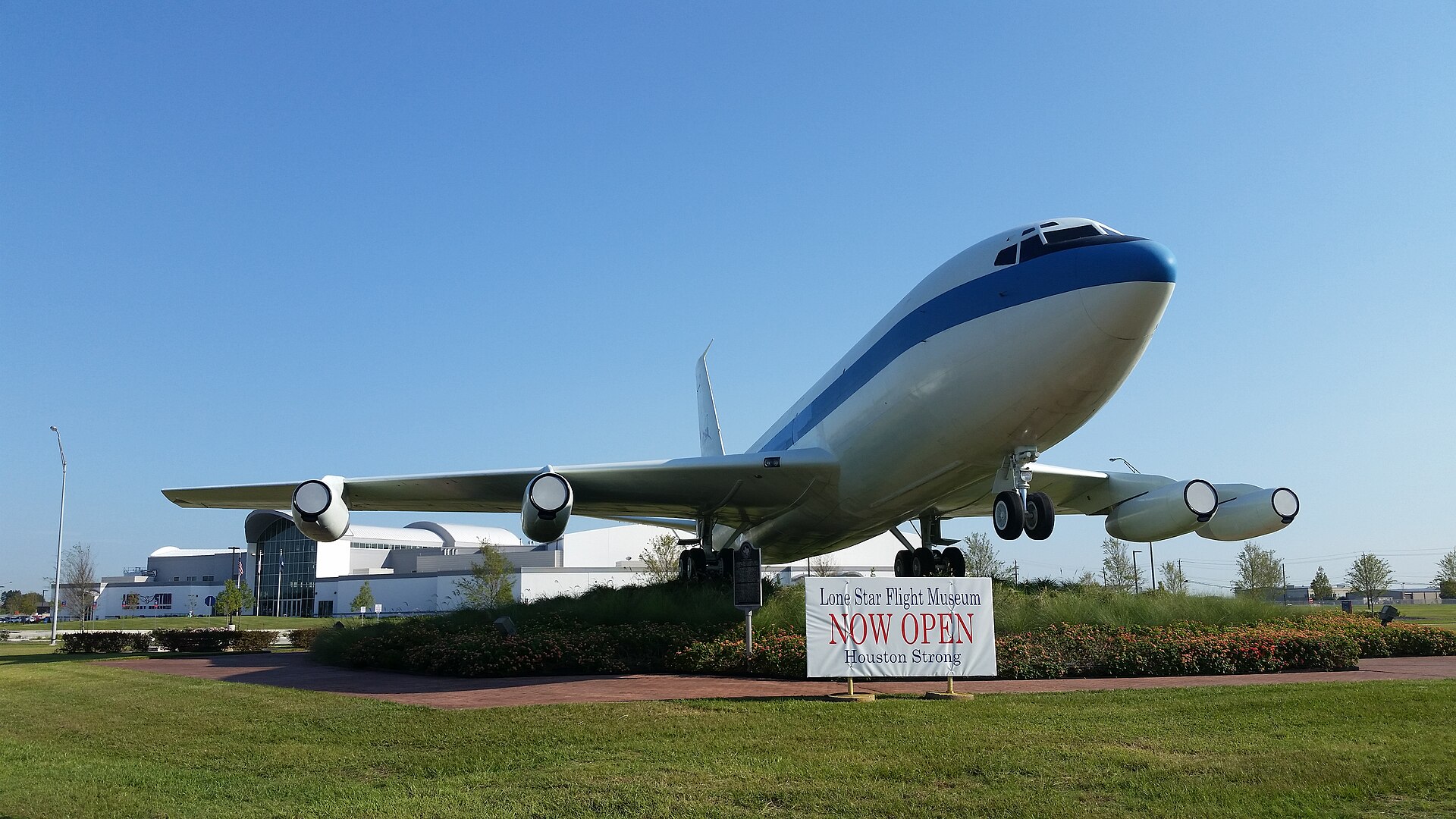
The Lone Star Flight Museum is an aerospace museum located in Houston, Texas, dedicated to the preservation and exhibition of aviation history. The facility houses a collection of more than 24 historically significant aircraft, ranging from vintage warbirds to modern training jets, alongside extensive exhibits detailing the evolution of flight and the contributions of Texas aviators.
The museum serves as both an educational institution and a repository for aviation artifacts. It emphasizes the technical aspects of aeronautics and the human stories behind military and civilian aviation, providing interactive displays and flight simulators to engage visitors with the mechanics and history of aerospace engineering.
Key Facts
- Materials
- Steel, Glass, Concrete
- Civilization
- American
- Accessibility
- Fully wheelchair accessible
- Date(s)
- 1985
- Condition
- Active and well-maintained
- Original Function
- Aviation museum and educational center
- Key Figures
- Robert L. Waltrip
Founding and Early Years
1985The museum was established by Robert L. Waltrip in Galveston, Texas, to house his personal collection of vintage aircraft and to promote aviation education.
Relocation to Houston
2017Following significant damage to the Galveston facility during Hurricane Ike in 2008, the museum underwent a major relocation project, opening its new, state-of-the-art facility at Ellington Airport in Houston in 2017.
Modern Expansion
2017-PresentThe current facility features expanded exhibition space, a dedicated STEM education center, and the Texas Aviation Hall of Fame, continuing its mission to preserve aviation heritage.
Cultural Significance
The museum plays a vital role in preserving the aviation legacy of Texas, particularly its contributions to military aviation and aerospace technology. It serves as a hub for the Texas Aviation Hall of Fame, which honors individuals who have made significant impacts on the field of flight.
Visiting Information
Entry Rules
Open daily. Tickets can be purchased online or at the entrance. Visitors are expected to follow standard museum conduct and respect all aircraft and artifact barriers.
Best Times to Visit
Weekday mornings are generally quieter. The museum is climate-controlled, making it suitable for visits year-round.
Photography
Personal photography is permitted throughout the museum. Commercial photography requires prior authorization from the museum administration.
Preservation Notes
Do not touch the aircraft or artifacts. Stay behind designated stanchions and follow all posted safety signage.
Nearby POIs
8 shown- Space Center Houston9.4 km
- John P. McGovern Museum of Health and Medical Science24.3 km
- Buffalo Soldiers National Museum24.5 km
- Houston Museum of Natural Science24.6 km
- Museum of Fine Arts, Houston24.7 km
- Contemporary Arts Museum Houston25 km
- Menil Collection26.2 km
- National Museum of Funeral History49.3 km
Key Facts
- Materials
- Steel, Glass, Concrete
- Civilization
- American
- Accessibility
- Fully wheelchair accessible
- Date(s)
- 1985
- Condition
- Active and well-maintained
- Original Function
- Aviation museum and educational center
- Key Figures
- Robert L. Waltrip
Nearby POIs
8 shown- Space Center Houston9.4 km
- John P. McGovern Museum of Health and Medical Science24.3 km
- Buffalo Soldiers National Museum24.5 km
- Houston Museum of Natural Science24.6 km
- Museum of Fine Arts, Houston24.7 km
- Contemporary Arts Museum Houston25 km
- Menil Collection26.2 km
- National Museum of Funeral History49.3 km