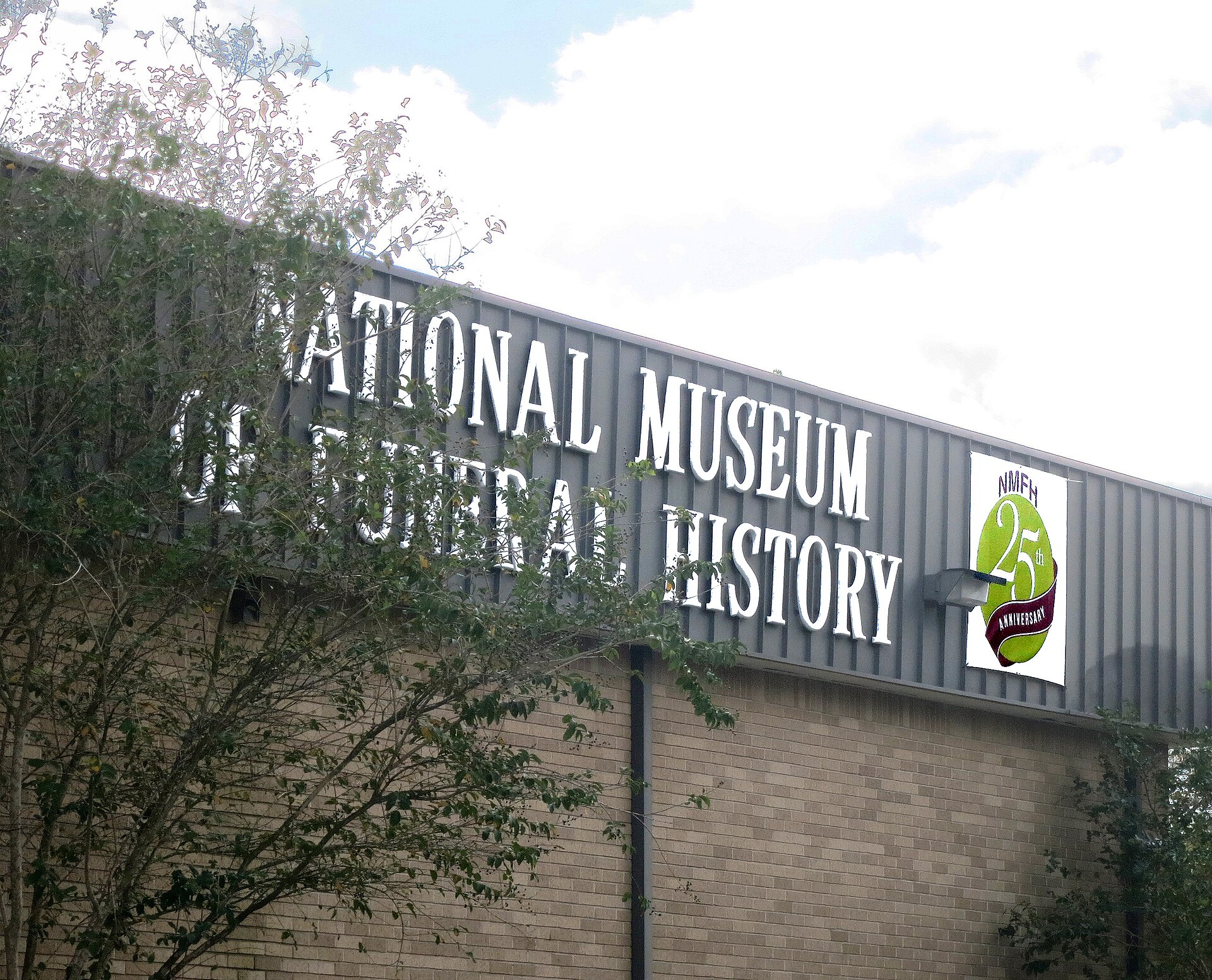
The National Museum of Funeral History is a specialized institution located in Houston, Texas, dedicated to the preservation and education of death care heritage. Established in 1992 by Robert L. Waltrip, the founder of Service Corporation International, the museum houses one of the largest collections of funeral service artifacts in the United States.
The facility features a diverse array of exhibits that explore the history of mourning rituals, embalming practices, and funerary art. Collections include historical hearses, elaborate caskets, and displays detailing the funeral traditions of various cultures, including those of the Catholic Popes and the American presidency.
Key Facts
- Materials
- Steel, Glass, Concrete
- Civilization
- American
- Accessibility
- Fully wheelchair accessible
- Date(s)
- 1992
- Condition
- Active
- Original Function
- Museum
- Key Figures
- Robert L. Waltrip
Founding and Vision
1992The museum was founded by Robert L. Waltrip with the goal of educating the public about the history of funeral service and preserving the heritage of the death care industry.
Expansion of Collections
1990s-2000sThroughout its early decades, the museum expanded its holdings to include significant historical artifacts, such as the original funeral carriage of President Abraham Lincoln and various international funerary displays.
Modern Institutional Role
2010-PresentThe museum continues to serve as a center for academic and public interest, hosting rotating exhibits on topics ranging from Dia de los Muertos to the history of embalming, while maintaining its status as a unique repository of cultural history.
Cultural Significance
The museum plays a unique role in American cultural life by destigmatizing the study of death and mourning. By framing funeral practices as a legitimate subject of historical and sociological inquiry, it provides a space for the public to engage with the rituals that define the end of life across different societies and eras.
Interpretive Notes
Scholarly debates and areas of uncertainty
There is ongoing discussion among museologists regarding the intersection of corporate-funded institutions and public history. Some scholars examine how the museum's origins within the funeral industry influence the narrative framing of death care practices and the commercialization of mourning.
Visiting Information
Entry Rules
Open daily. Tickets can be purchased on-site or online. No specific dress code is required, though respectful attire is encouraged given the nature of the exhibits.
Best Times to Visit
Weekday mornings are generally quieter, allowing for a more thorough viewing of the extensive artifact collections.
Photography
Personal photography is permitted for non-commercial use. Flash photography is discouraged near sensitive historical textiles and artifacts.
Preservation Notes
Visitors are requested not to touch any artifacts or displays. Please maintain a quiet demeanor throughout the galleries.
Nearby POIs
7 shownSources & Further Reading
- [1]The National Museum of Funeral History: A History of Death Care — Robert L. Waltrip. NMFH Press (2012)View
- [2]Death and the American Museum — Sarah J. Thompson. Journal of American Culture (2018)
Key Facts
- Materials
- Steel, Glass, Concrete
- Civilization
- American
- Accessibility
- Fully wheelchair accessible
- Date(s)
- 1992
- Condition
- Active
- Original Function
- Museum
- Key Figures
- Robert L. Waltrip