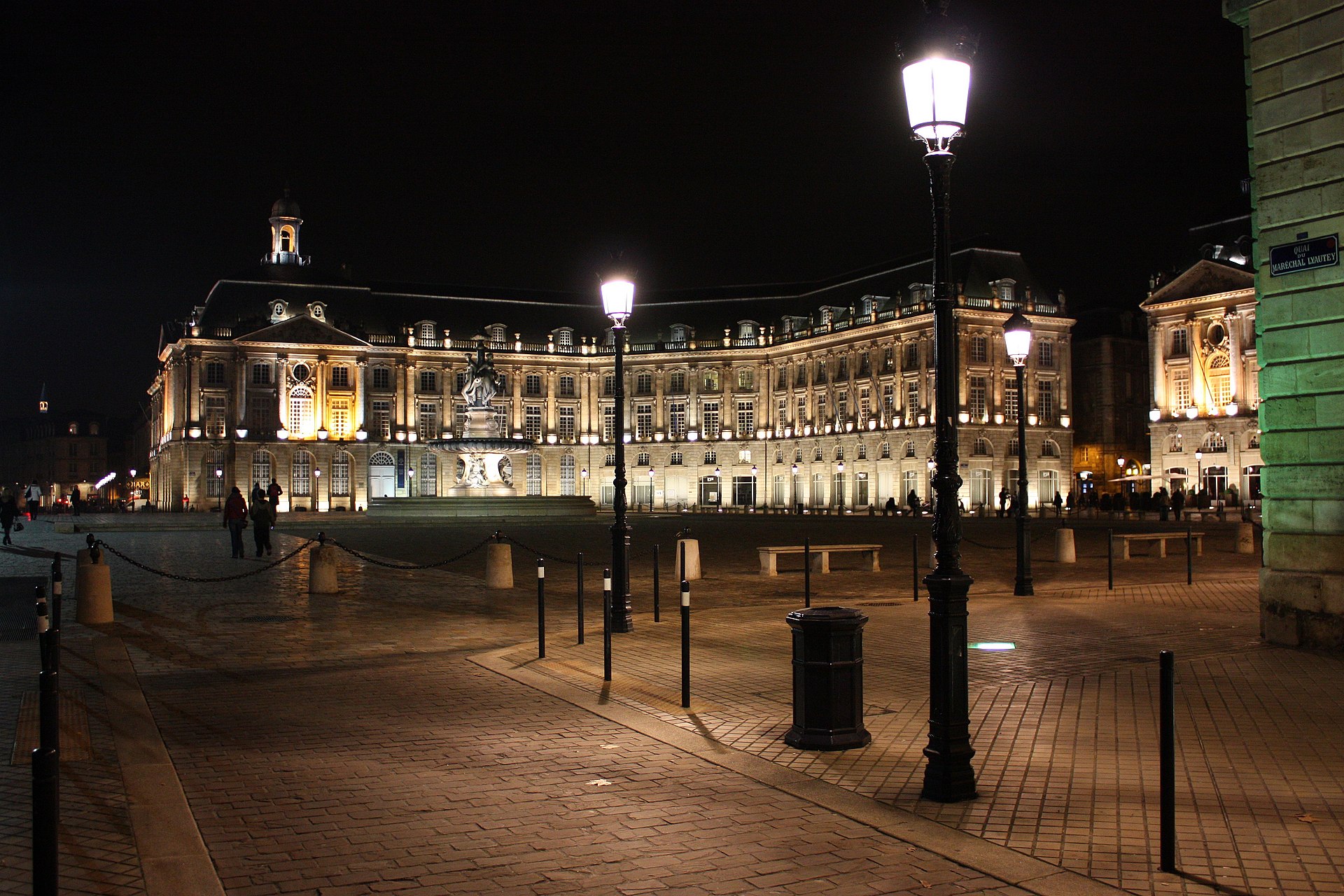
The Musée national des douanes is the only museum in France dedicated to the history of the customs administration. Housed in the Hôtel des Fermes, a historic 18th-century building designed by architect Ange-Jacques Gabriel, the museum explores the evolution of trade, taxation, and border control from the Ancien Régime to the present day.
The collection features over 18,000 objects, including uniforms, weapons, scientific instruments, and artistic representations of customs life. It provides a unique perspective on the administrative history of France, illustrating how customs officers have shaped the nation's economic and territorial integrity through centuries of social and political change.
Key Facts
- Materials
- Stone, Brick, Wrought iron
- Civilization
- French
- Accessibility
- Wheelchair accessible
- Date(s)
- 1735-1738
- Condition
- Well-preserved, active museum
- Original Function
- Royal Customs House (Hôtel des Fermes)
- Key Figures
- Ange-Jacques Gabriel
The Hôtel des Fermes
18th CenturyThe building was commissioned by the Ferme Générale, the private tax-collecting agency of the French monarchy. It served as the headquarters for customs operations in the port of Bordeaux, a vital hub for colonial and international trade.
Establishment of the Museum
1984The museum was inaugurated in 1984 to preserve the heritage of the French Customs service. It was established to document the transition from the complex tax systems of the monarchy to the centralized state administration of the modern era.
Modern Curatorial Focus
21st CenturyToday, the museum continues to expand its collection to include contemporary issues such as the fight against illicit trafficking, the protection of endangered species, and the role of customs in the European Union.
Cultural Significance
The museum serves as a vital link between the history of the French state and the daily lives of its citizens. By focusing on the 'customs' aspect of history, it highlights the intersection of commerce, law, and national identity, offering a rare look at the administrative machinery that has governed French borders for centuries.
Interpretive Notes
Scholarly debates and areas of uncertainty
Discussions often center on the balance between the museum's role as a state-sponsored institution and its objective to provide a critical historical analysis of the often-controversial history of taxation and border enforcement in France.
Visiting Information
Entry Rules
Open Tuesday to Sunday. Tickets are required for entry. Concessions are available for students, seniors, and groups. Please check the official website for seasonal hours and holiday closures.
Best Times to Visit
Weekday mornings are generally quieter. The museum is located in the heart of Bordeaux, making it easily accessible during city walking tours.
Photography
Personal photography is permitted without flash or tripods. Professional photography requires prior authorization from the museum administration.
Preservation Notes
Visitors are requested to refrain from touching the artifacts and to maintain a quiet demeanor in the galleries to preserve the museum environment.
Nearby POIs
6 shownSources & Further Reading
- [1]Musée national des douanes: Guide des collections — Direction générale des douanes et droits indirects. Ministère de l'Économie et des Finances (2015)View
- [2]L'Hôtel des Fermes de Bordeaux — Robert Coustet. Éditions du Patrimoine (2009)
Key Facts
- Materials
- Stone, Brick, Wrought iron
- Civilization
- French
- Accessibility
- Wheelchair accessible
- Date(s)
- 1735-1738
- Condition
- Well-preserved, active museum
- Original Function
- Royal Customs House (Hôtel des Fermes)
- Key Figures
- Ange-Jacques Gabriel