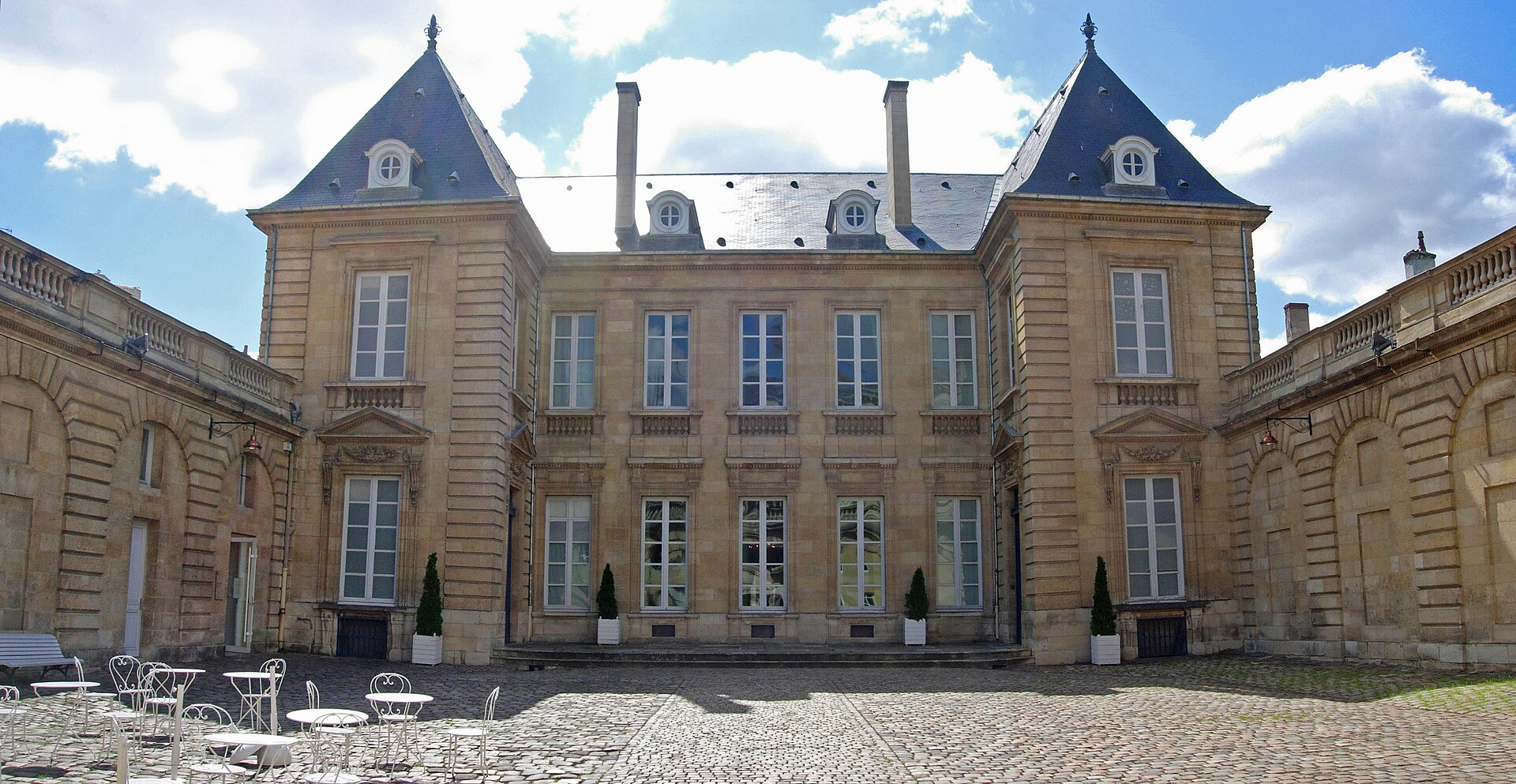
The Musée des Arts Décoratifs et du Design (MADD) is housed within the Hôtel de Lalande, a significant 18th-century aristocratic mansion located in the heart of Bordeaux. The building itself is a prime example of neoclassical architecture, commissioned by Pierre de Raymond de Lalande and completed in 1779, featuring a grand courtyard and an elegant staircase that reflect the prosperity of the city during the Enlightenment.
Today, the museum maintains a diverse collection that bridges historical decorative arts and contemporary design. Its holdings include furniture, ceramics, glassware, and silverware from the 18th to the 20th centuries, alongside rotating exhibitions that explore the evolution of industrial and artistic design. The institution serves as a center for both historical preservation and the promotion of modern creative practices.
Key Facts
- Materials
- Stone, Wood, Wrought iron
- Civilization
- French
- Accessibility
- Partially accessible; historic building constraints apply
- Date(s)
- 1775-1779
- Condition
- Well-preserved, active museum
- Original Function
- Private aristocratic residence (Hôtel de Lalande)
- Key Figures
- Pierre de Raymond de Lalande
The Hôtel de Lalande
18th CenturyBuilt between 1775 and 1779 for Pierre de Raymond de Lalande, a member of the Bordeaux Parliament, the mansion represents the architectural refinement of the city's golden age. It was designed to showcase the wealth and social status of the Bordeaux elite through its symmetrical facade and sophisticated interior layout.
Establishment of the Museum
1924The building was acquired by the city of Bordeaux and transformed into a museum dedicated to decorative arts. It opened its doors to the public in 1924, aiming to preserve the regional heritage of furniture and craftsmanship that flourished in the 18th century.
Modernization and Design Focus
21st CenturyIn recent years, the museum expanded its mandate to include contemporary design, rebranding as the Musée des Arts Décoratifs et du Design (MADD). This shift has integrated modern industrial design and experimental art into the historical context of the mansion, fostering a dialogue between past and present aesthetics.
Cultural Significance
The MADD is a critical institution for understanding the domestic life and material culture of the Bordeaux aristocracy during the 18th century. By occupying a historic mansion, the museum provides a contextual experience where the architecture and the collection are inextricably linked.
Beyond its historical role, the museum acts as a vital platform for contemporary design in the Nouvelle-Aquitaine region. It plays a key role in the city's cultural landscape by hosting international exhibitions that challenge traditional definitions of decorative arts and industrial design.
Interpretive Notes
Scholarly debates and areas of uncertainty
There is ongoing academic discussion regarding the balance between preserving the 'period room' atmosphere of the 18th-century mansion and the requirements of modern exhibition spaces for contemporary design. Curators frequently debate how to display modern, minimalist objects within the ornate, highly decorative framework of the original neoclassical interiors without diminishing the integrity of either.
Visiting Information
Entry Rules
Open daily except Tuesdays. Tickets can be purchased on-site or via the official website. Reduced rates are available for students and seniors. Visitors are requested to leave large bags in the provided lockers.
Best Times to Visit
Weekday mornings are generally quieter. The museum is particularly active during the Bordeaux Design Biennale and other city-wide cultural festivals.
Photography
Personal photography is permitted for non-commercial use without flash. Tripods and selfie sticks are prohibited.
Preservation Notes
The building is a protected historical monument. Visitors are asked to refrain from touching the furniture and decorative surfaces. Some areas may be restricted during exhibition installation.
Nearby POIs
6 shownSources & Further Reading
- [1]Musée des Arts Décoratifs et du Design de Bordeaux: Guide des collections — Constance Rubini. MADD Bordeaux Editions (2018)
- [2]L'Hôtel de Lalande: Architecture et Société à Bordeaux — Michel Figeac. Presses Universitaires de Bordeaux (2005)
Key Facts
- Materials
- Stone, Wood, Wrought iron
- Civilization
- French
- Accessibility
- Partially accessible; historic building constraints apply
- Date(s)
- 1775-1779
- Condition
- Well-preserved, active museum
- Original Function
- Private aristocratic residence (Hôtel de Lalande)
- Key Figures
- Pierre de Raymond de Lalande