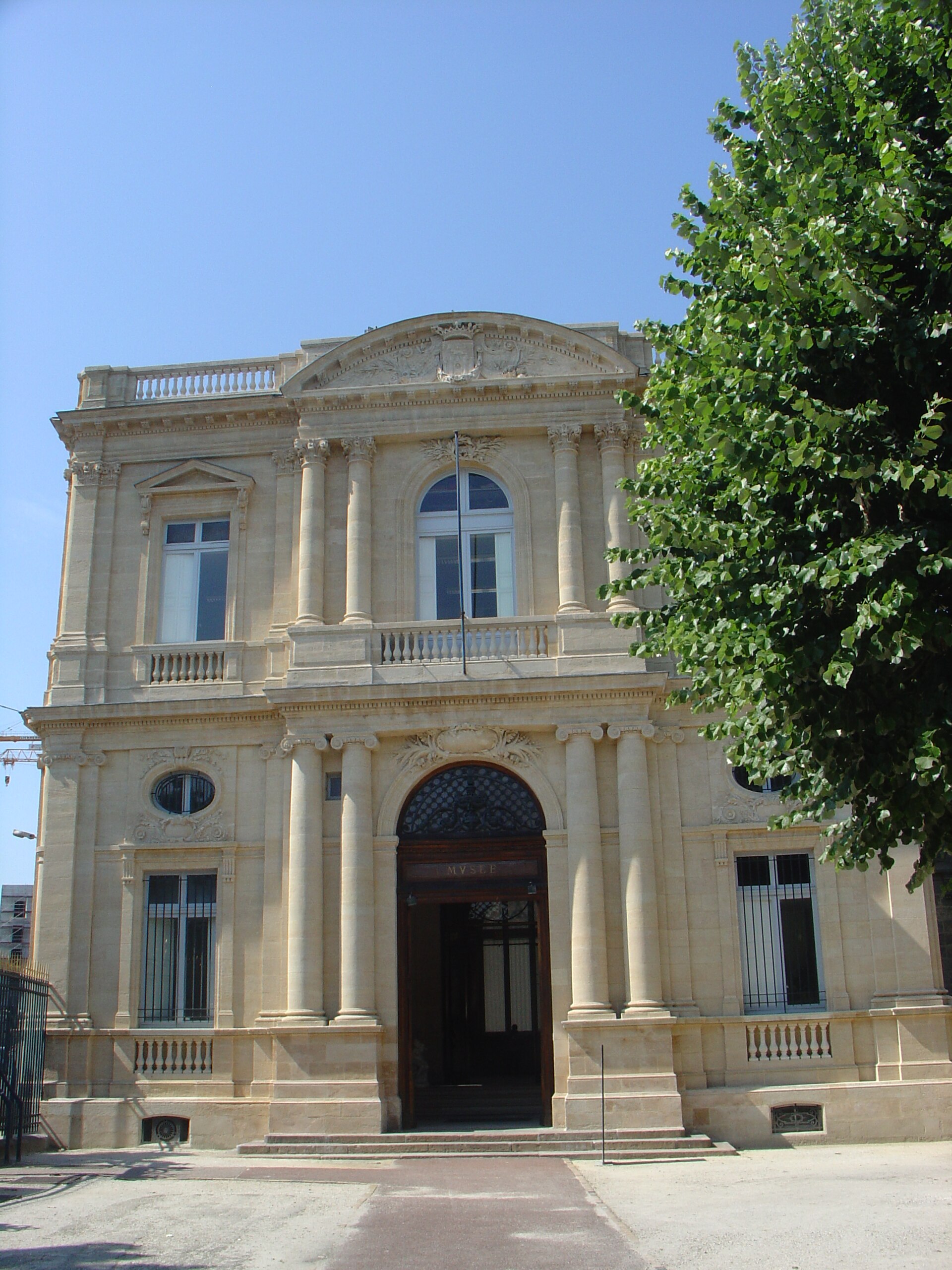
The Musée des Beaux-Arts de Bordeaux is one of the largest fine-art museums in France outside of Paris. Established in 1801 by a decree from Napoleon Bonaparte, the museum is housed within the wings of the Palais Rohan, the former residence of the Archbishops of Bordeaux. The institution was created to house works confiscated during the French Revolution and has since grown through significant donations and acquisitions.
The museum's collection spans from the 15th to the 20th century, featuring a diverse array of European paintings, sculptures, and drawings. Notable holdings include works by masters such as Titian, Veronese, Rubens, Delacroix, and Matisse, alongside a strong representation of the Dutch and Flemish schools. The museum is divided into two main wings, the Galerie des Beaux-Arts and the Musée des Beaux-Arts, which host both permanent collections and temporary exhibitions.
Key Facts
- Materials
- Stone, Glass, Steel
- Civilization
- French
- Accessibility
- Wheelchair accessible
- Date(s)
- 1801
- Condition
- Active, well-maintained
- Original Function
- Fine arts museum
- Key Figures
- Napoleon Bonaparte, Pierre Lacour
Foundation
1801The museum was founded by Napoleon Bonaparte as part of a national initiative to distribute art confiscated during the French Revolution to major provincial cities.
Development of Collections
19th CenturyThroughout the 19th century, the collection expanded significantly through bequests from local collectors and state deposits, establishing the museum as a premier cultural institution in southwestern France.
Modern Integration
20th Century - PresentThe museum underwent various renovations to modernize its display spaces within the historic Palais Rohan. It continues to serve as a center for art historical research and public education in Bordeaux.
Cultural Significance
The museum serves as a vital repository of European art history in the Nouvelle-Aquitaine region. It reflects the historical wealth of Bordeaux as a major port city and its long-standing connections to international art markets and aristocratic patronage.
Interpretive Notes
Scholarly debates and areas of uncertainty
Discussions often center on the provenance of works acquired during the revolutionary period and the ongoing challenges of balancing the preservation of the historic Palais Rohan architecture with the requirements of modern museum display standards.
Visiting Information
Entry Rules
Open daily except Tuesdays. Tickets can be purchased on-site or online. Concessions are available for students and seniors.
Best Times to Visit
Weekday mornings are generally quieter. The museum is a popular destination during the summer tourist season.
Photography
Non-commercial photography is permitted without flash. Tripods and selfie sticks are prohibited.
Preservation Notes
Visitors are requested not to touch the artworks or display cases. Large bags must be left in the cloakroom.
Nearby POIs
6 shownSources & Further Reading
- [1]Musée des Beaux-Arts de Bordeaux: Guide des collections — Dominique Dussol. Somogy Éditions d'Art (2005)
- [2]Histoire des musées de Bordeaux — Charles Marionneau. Bordeaux Historical Society (1884)
Key Facts
- Materials
- Stone, Glass, Steel
- Civilization
- French
- Accessibility
- Wheelchair accessible
- Date(s)
- 1801
- Condition
- Active, well-maintained
- Original Function
- Fine arts museum
- Key Figures
- Napoleon Bonaparte, Pierre Lacour