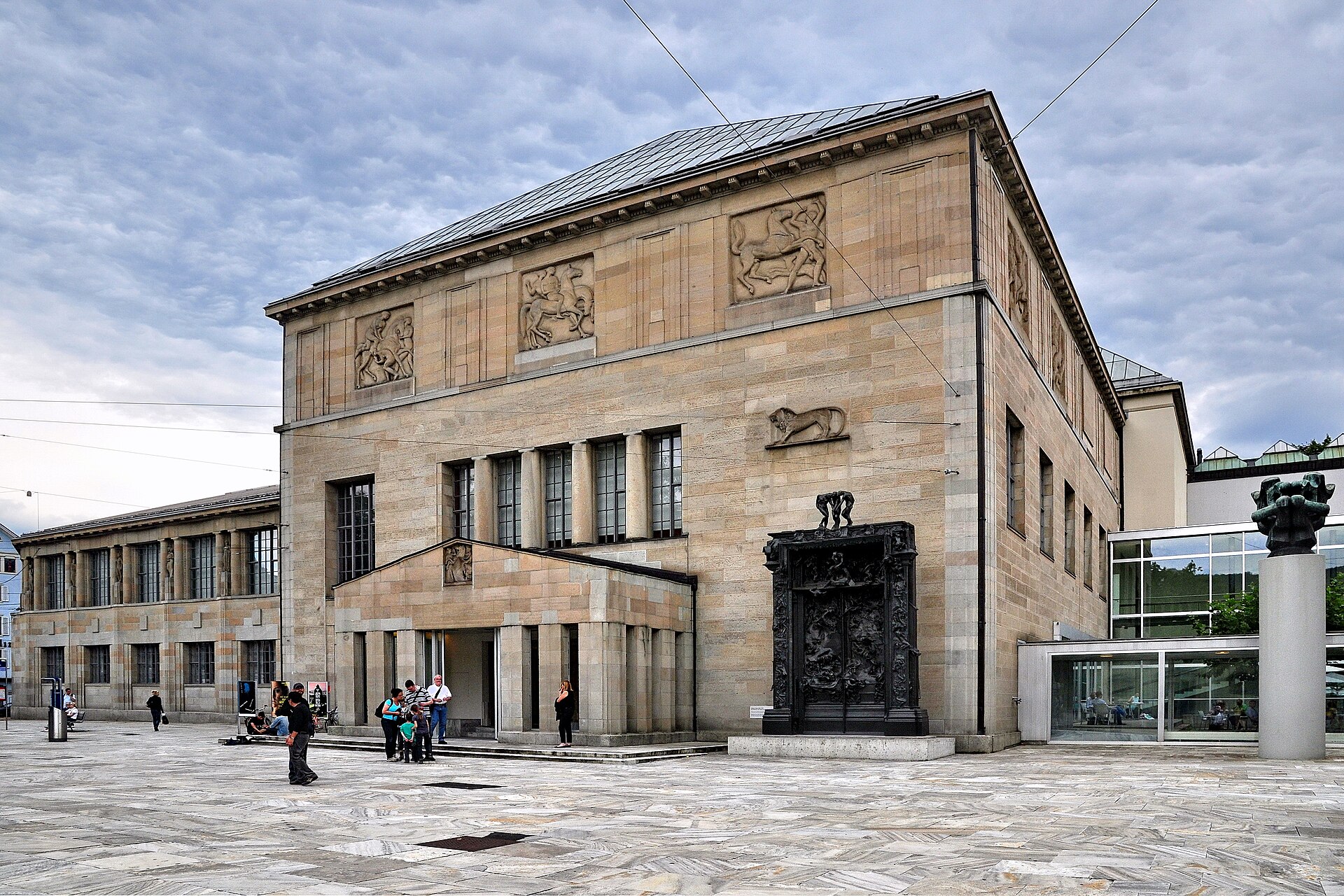
The Kunsthaus Zürich is one of the most significant art museums in Switzerland, housing an extensive collection of European art spanning from the 15th century to the present day. The institution is managed by the Zürcher Kunstgesellschaft and serves as a primary cultural hub for the city, featuring a diverse range of paintings, sculptures, and graphic works.
The museum is internationally recognized for its comprehensive holdings of modern art and its status as the primary repository for the works of Alberto Giacometti. The architectural complex, which includes the historic building designed by Karl Moser and the recent extension by David Chipperfield, integrates classical exhibition spaces with contemporary design to accommodate its vast permanent collection and rotating international exhibitions.
Key Facts
- Materials
- Limestone, Concrete, Glass, Steel
- Civilization
- Swiss
- Accessibility
- Fully wheelchair accessible
- Date(s)
- 1910 (original building), 2021 (extension)
- Condition
- Active, well-maintained
- Original Function
- Art Museum
- Key Figures
- Karl Moser, David Chipperfield, Alberto Giacometti
Founding and Early Years
1787-1910The origins of the museum trace back to the founding of the Zürcher Kunstgesellschaft in 1787. After decades of operating in various locations, the society commissioned architect Karl Moser to design a dedicated museum building, which opened to the public in 1910.
Expansion and Modernization
1958-1976As the collection grew, the museum underwent significant expansions. The Pfister extension was added in 1958, followed by the Erwin Müller extension in 1976, which allowed for a more comprehensive display of the museum's modern art holdings.
The Chipperfield Extension
2021The most recent major development was the completion of the extension designed by British architect David Chipperfield. This addition significantly increased the museum's exhibition space, allowing for the display of the Bührle Collection and providing modern facilities for contemporary art.
Cultural Significance
The Kunsthaus Zürich plays a central role in the Swiss cultural landscape, acting as a bridge between historical European art traditions and the contemporary global art scene. It is a vital institution for the study of modernism, particularly through its deep focus on the works of Alberto Giacometti, which provides unique insight into the development of 20th-century sculpture.
Beyond its collection, the museum serves as a site for public discourse on art history and provenance. The integration of the controversial Bührle Collection into the new extension has sparked significant public and academic debate regarding the ethical considerations of art ownership and the historical context of museum acquisitions.
Interpretive Notes
Scholarly debates and areas of uncertainty
The inclusion of the E.G. Bührle Collection in the new extension has been a subject of intense scholarly and public debate. Critics and historians have raised concerns regarding the provenance of several works acquired by Emil Bührle during the Nazi era, leading to ongoing discussions about transparency, restitution, and the ethical responsibilities of public institutions.
Visiting Information
Entry Rules
Open Tuesday through Sunday. Tickets can be purchased online or at the museum entrance. Concessions are available for students and groups. Visitors are requested to leave large bags in the provided lockers.
Best Times to Visit
Weekday mornings are generally quieter. The museum is often busier during the opening weeks of major temporary exhibitions.
Photography
Non-commercial photography without flash is permitted in most permanent collection galleries. Specific temporary exhibitions may prohibit photography entirely; please check signage at the entrance.
Preservation Notes
Maintain a respectful distance from all artworks. Do not touch surfaces or frames. Climate control is strictly maintained throughout the galleries to preserve sensitive materials.
Nearby POIs
10 shownKey Facts
- Materials
- Limestone, Concrete, Glass, Steel
- Civilization
- Swiss
- Accessibility
- Fully wheelchair accessible
- Date(s)
- 1910 (original building), 2021 (extension)
- Condition
- Active, well-maintained
- Original Function
- Art Museum
- Key Figures
- Karl Moser, David Chipperfield, Alberto Giacometti