
Country Wiki
Northern Ireland
Northern Ireland is a constituent country of the United Kingdom located in the northeastern part of the island of Ireland. It shares a land border with the Republic of Ireland and is characterized by rolling landscapes, coastal cliffs, and a mix of urban and rural communities. Its largest city, Belfast, serves as its political, economic, and cultural center. The region has a complex political and cultural identity shaped by British and Irish influences. Northern Ireland experienced decades of conflict known as the Troubles in the late 20th century, but since the 1998 Good Friday Agreement, it has undergone a period of relative peace and political cooperation, with a devolved government operating within the UK framework.
Early Settlements and Gaelic Ireland
Prehistory – 1600sThe region that is now Northern Ireland was inhabited for thousands of years, with early Celtic societies forming part of Gaelic Ireland. Kingdoms and clans dominated the political landscape, with strong cultural traditions in language, law, and social organization.
Plantation and British Rule
1600s – 1921In the early 17th century, the Plantation of Ulster brought English and Scottish settlers to the region, significantly altering its demographic and cultural makeup. Tensions between Protestant settlers and the native Catholic population grew over time under British rule.
Partition of Ireland
1921Following the Irish War of Independence, Ireland was partitioned in 1921. Northern Ireland remained part of the United Kingdom, while the rest of Ireland became a separate state. This division entrenched political and religious divisions within the region.
The Troubles and Peace Process
late 1960s – 1998Northern Ireland experienced a period of violent conflict known as the Troubles, involving nationalist/republican and unionist/loyalist groups, as well as British forces. The conflict resulted in over 3,000 deaths before the Good Friday Agreement in 1998 established a framework for peace and shared governance.
Contemporary Northern Ireland
1998–presentSince the peace agreement, Northern Ireland has developed a devolved government with power-sharing between communities. While political challenges remain, the region has seen economic growth, increased tourism, and greater stability compared to the late 20th century.
Major Cities
1 listed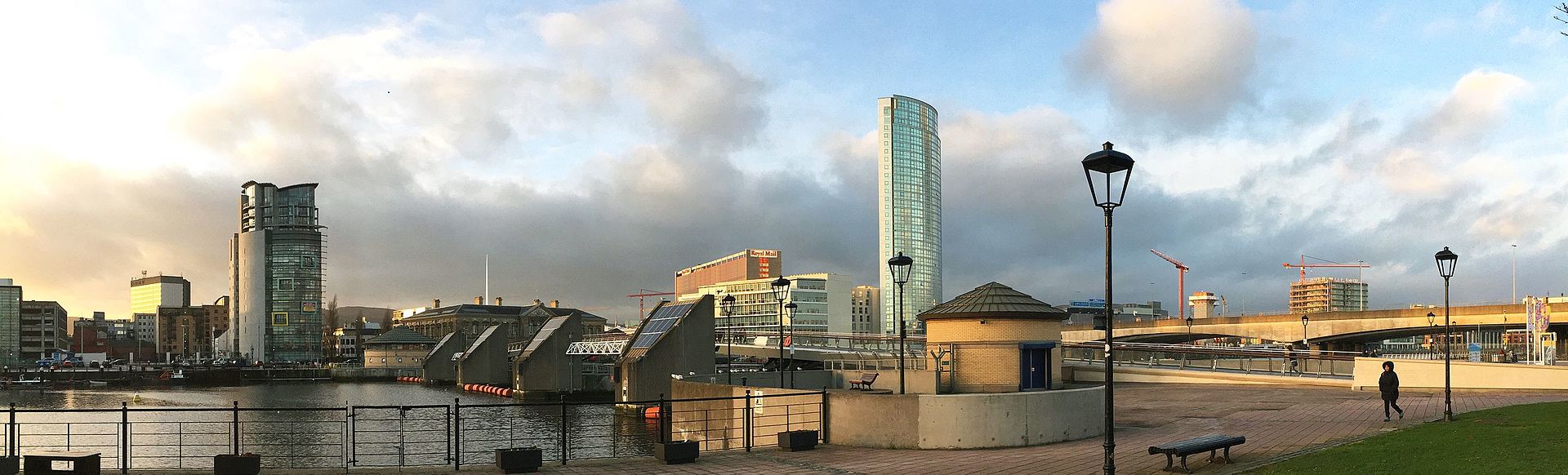
Notable POIs
5 listed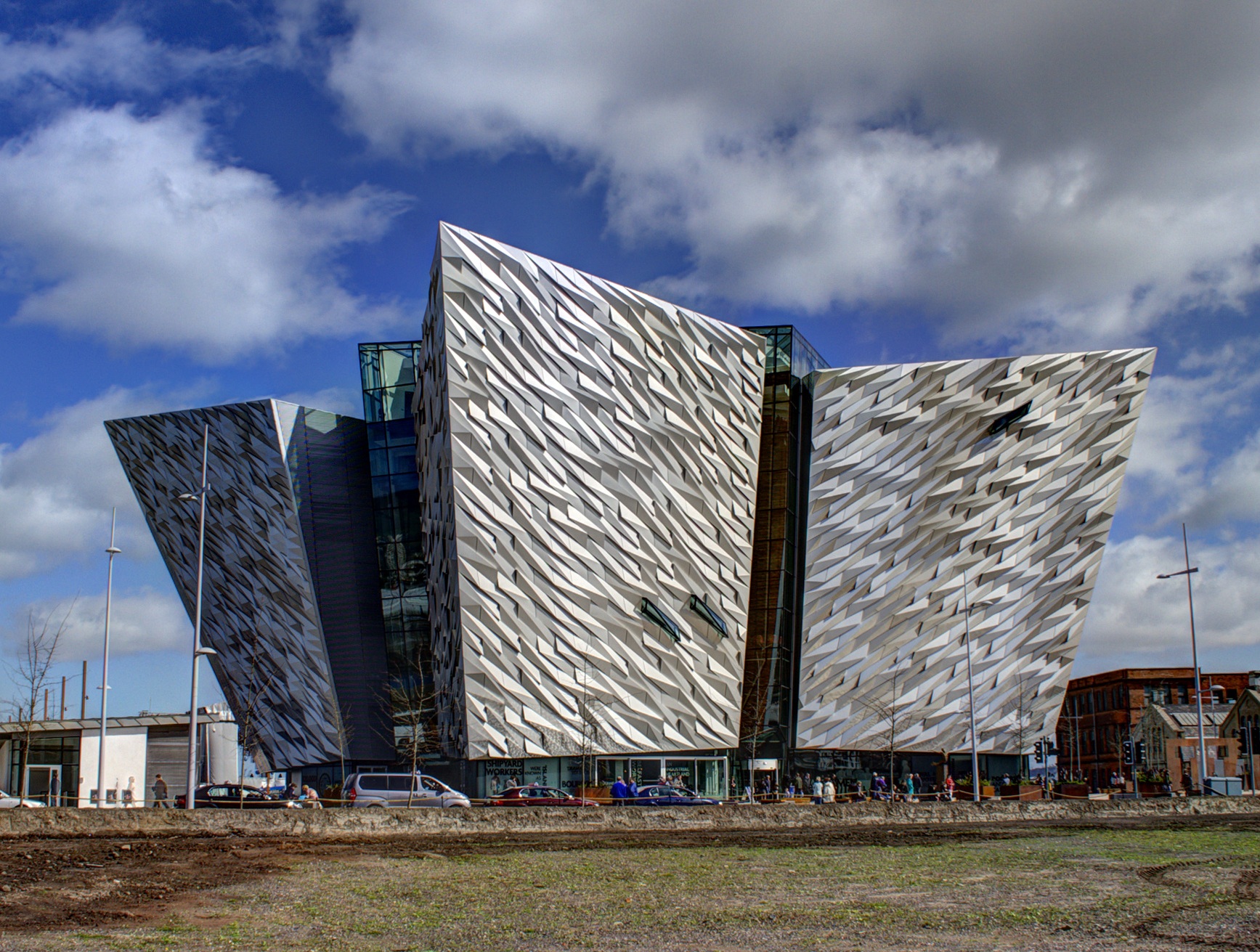
Titanic Belfast
POIMuseum built on the former Harland and Wolff shipyard site, documenting Belfast’s early 20th-century shipbuilding industry and the construction of RMS Titanic in 1911–1912.
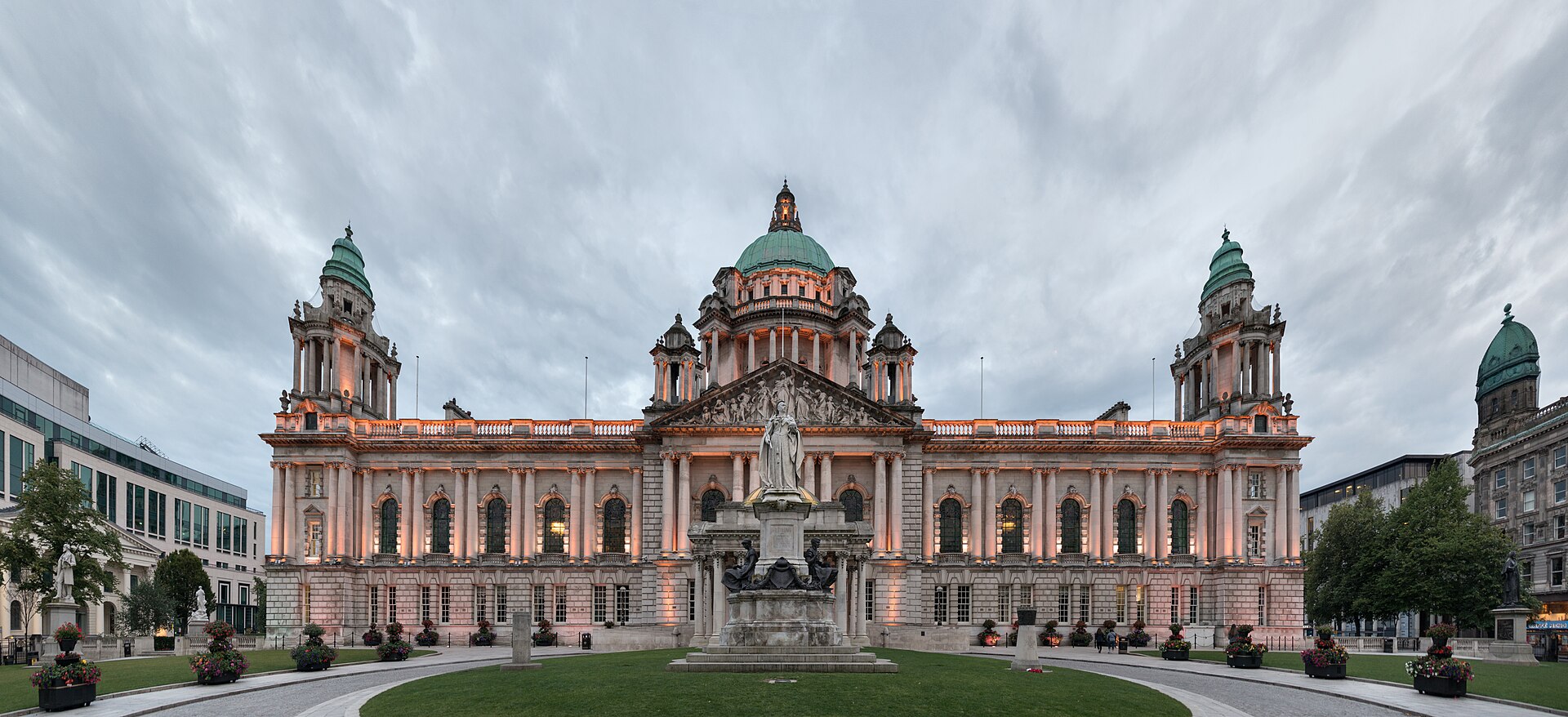
Belfast City Hall
POICity Hall significant as a symbol of the city’s civic pride and industrial prosperity, representing Belfast’s rise as a major center of shipbuilding and linen production in the early 20th century.
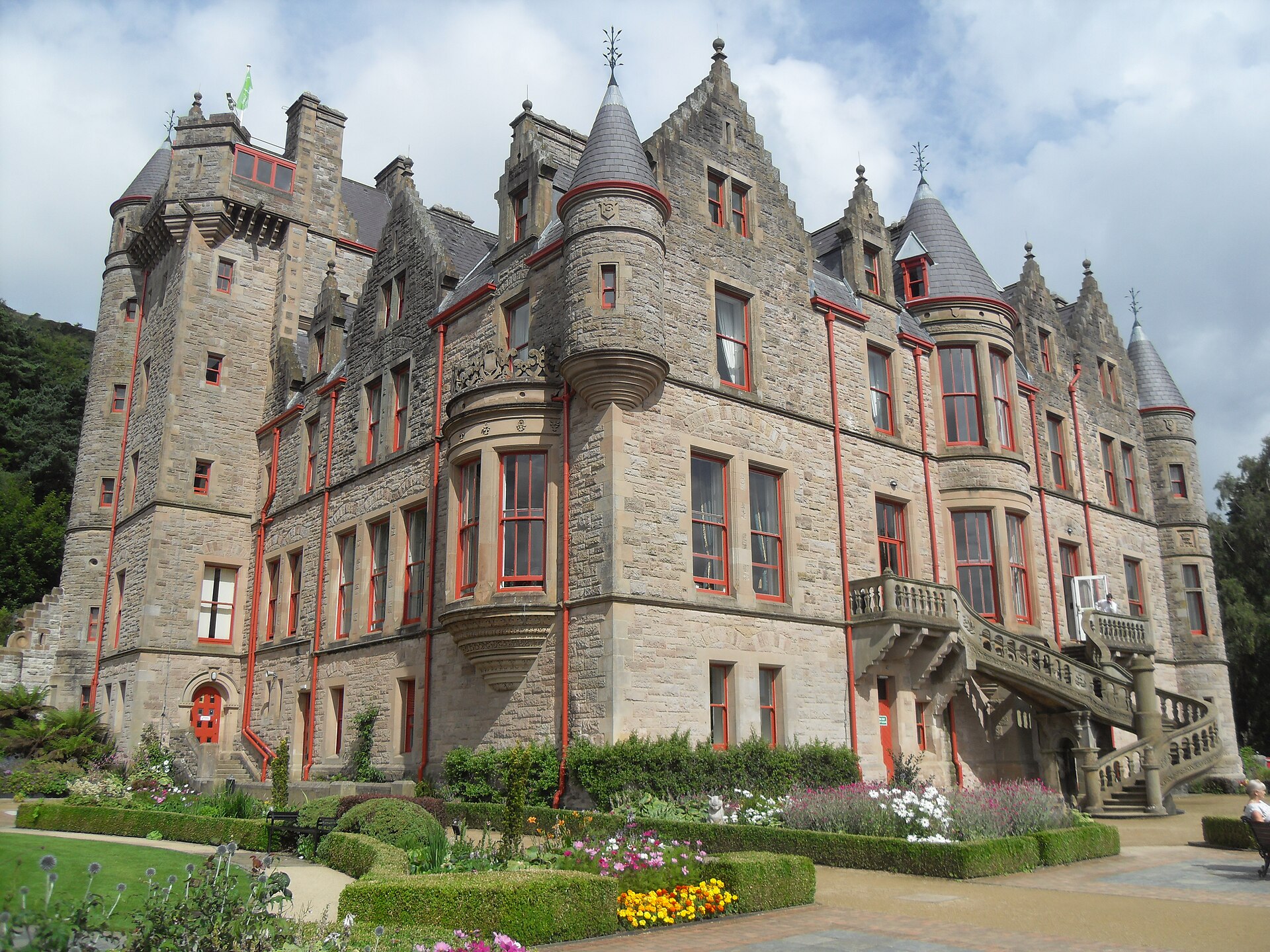
Belfast Castle
POI19th-century baronial residence built by the Donegall family, reflecting the social hierarchy and landed power structures of industrial-era Northern Ireland.
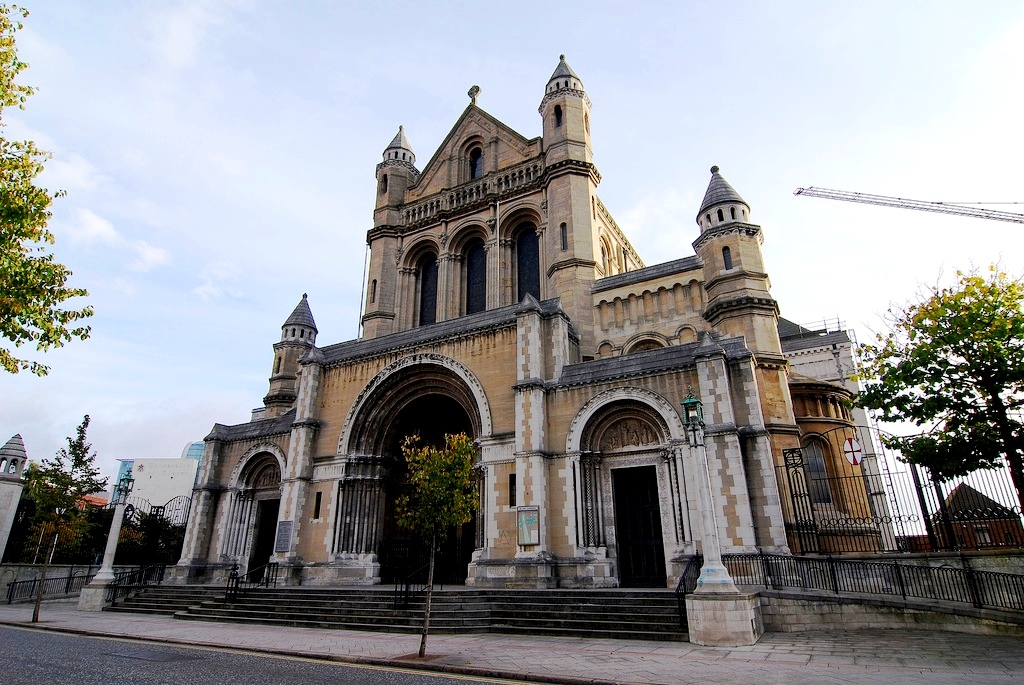
Saint Anne's Cathedral
POITwentieth-century cathedral built upon the site of an older parish church, featuring a unique stainless steel Spire of Hope and a floor paved with diverse Irish marbles.
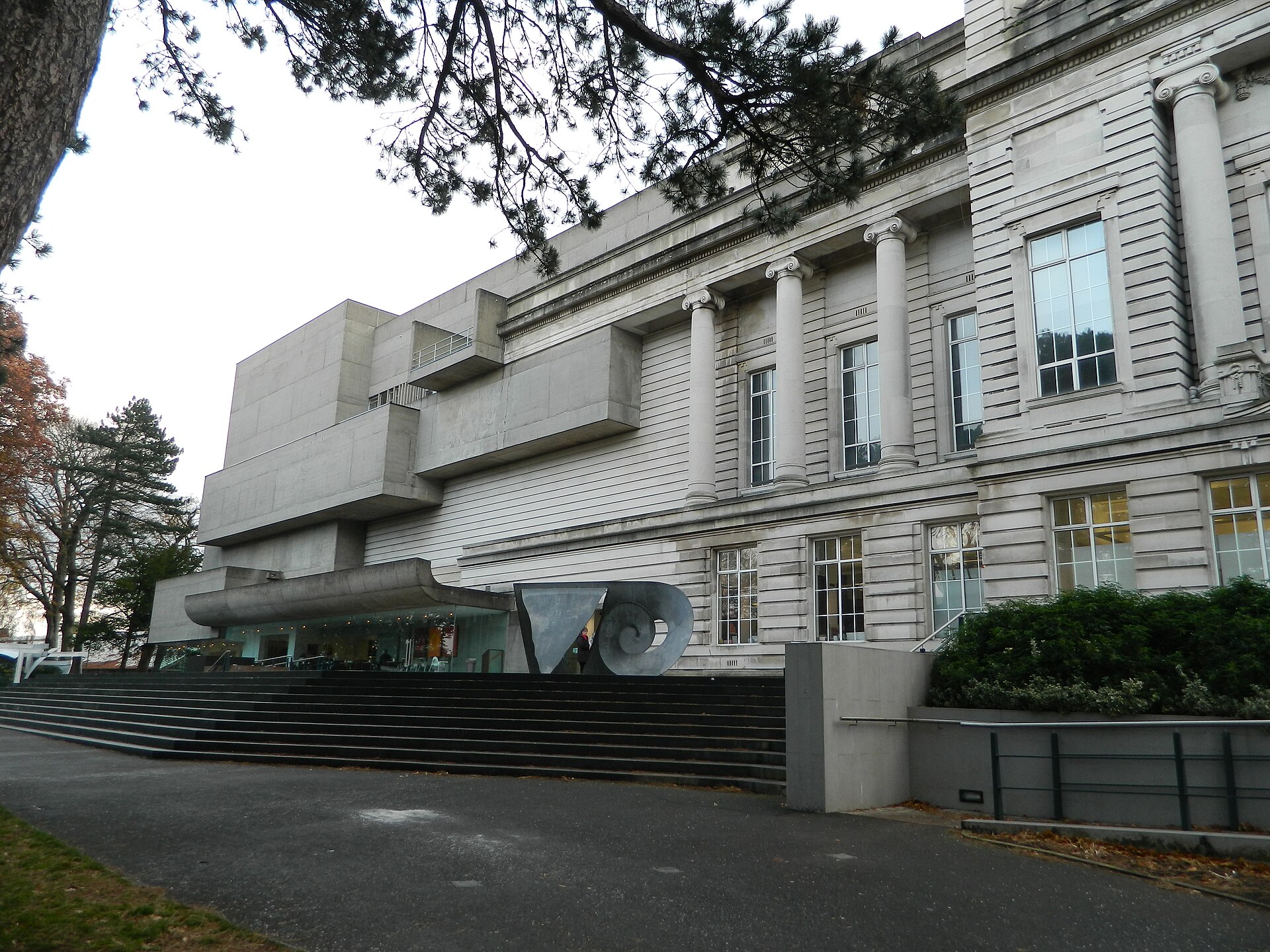
Ulster Museum
POILargest museum in Northern Ireland, featuring material from the collections of fine art and applied art, archaeology, ethnography, treasures from the Spanish Armada, local history, numismatics, industrial archaeology, botany, zoology, and geology.