Belfast
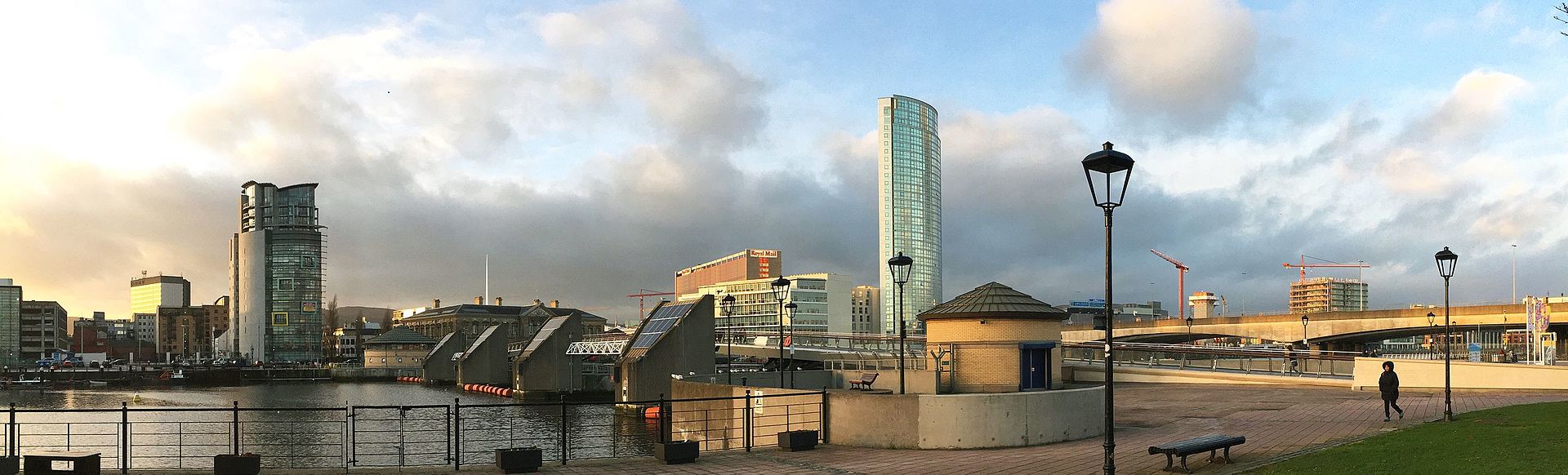
Belfast is the capital and largest city of Northern Ireland, located on the eastern coast along Belfast Lough. Historically a center of shipbuilding, linen production, and industrial manufacturing, the city rose to prominence during the 19th century as one of the key industrial hubs of the United Kingdom. Today, Belfast is a revitalized urban center known for its cultural institutions, political significance, and evolving economy. While shaped by the legacy of The Troubles in the late 20th century, the city has undergone significant regeneration and now serves as a focal point for governance, tourism, and creative industries in Northern Ireland.
Early Settlement and Foundation
Pre-17th centuryThe area around Belfast has been inhabited since the Bronze Age, but it remained a relatively small settlement until the early modern period. Its name derives from the Irish 'Béal Feirste,' meaning 'mouth of the sandbank ford,' referring to its location at the mouth of the River Lagan.
Plantation and Industrial Growth
17th-19th centuriesBelfast expanded significantly during the Plantation of Ulster in the 17th century, attracting English and Scottish settlers. By the 19th century, it had become a major industrial city, particularly known for linen production, rope-making, and shipbuilding, including the construction of the RMS Titanic.
20th Century and The Troubles
20th centuryBelfast became the capital of Northern Ireland in 1921 following the partition of Ireland. The latter half of the century was marked by The Troubles, a period of political and sectarian conflict that deeply affected the city, leading to violence, segregation, and economic decline.
Peace Process and Regeneration
Late 20th-21st centuriesThe signing of the Good Friday Agreement in 1998 marked a turning point, leading to relative peace and political stability. Since then, Belfast has experienced economic regeneration, with investment in infrastructure, tourism, and cultural development transforming its urban landscape.
Notable POIs in Belfast
5 listed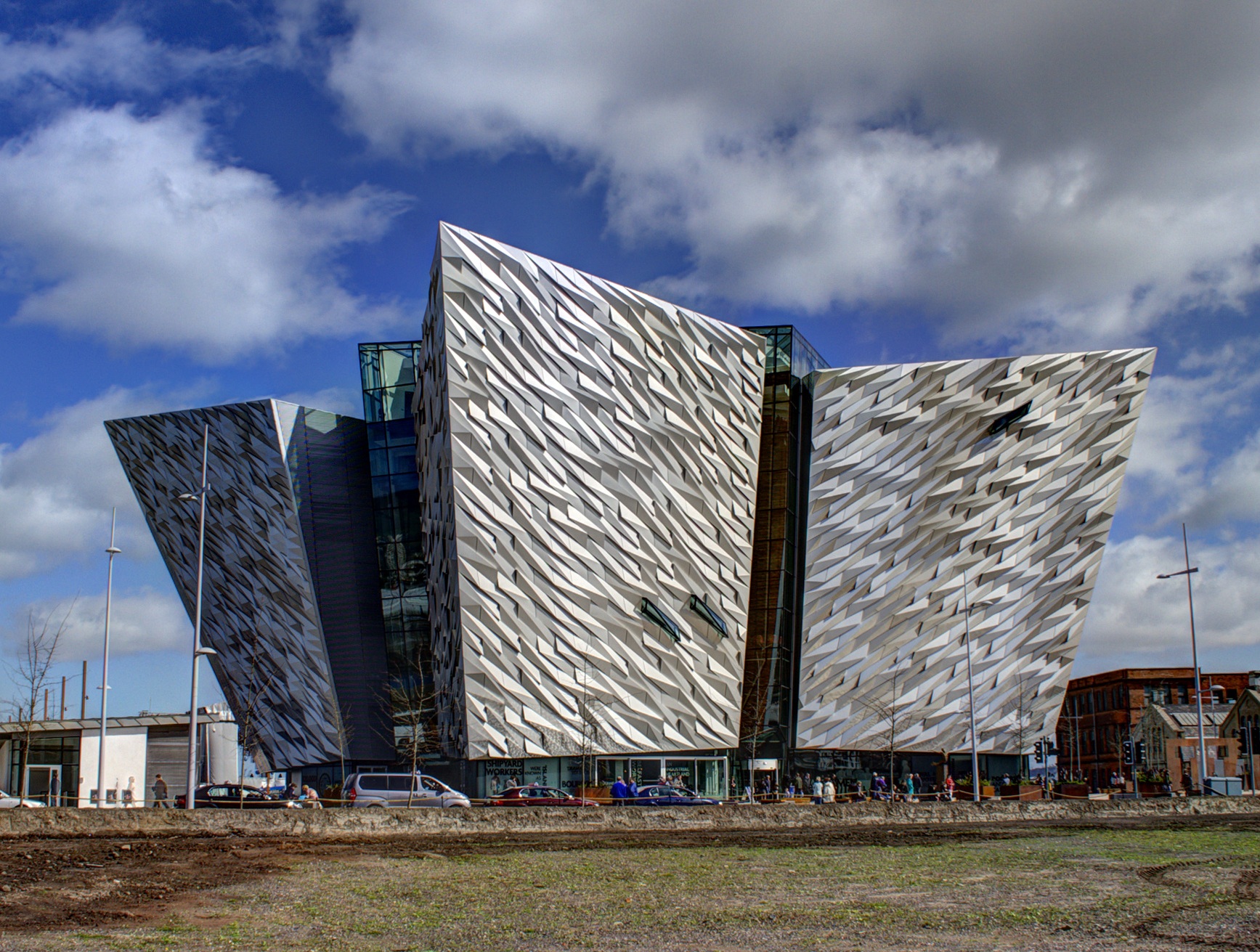
Titanic Belfast
POIMuseum built on the former Harland and Wolff shipyard site, documenting Belfast’s early 20th-century shipbuilding industry and the construction of RMS Titanic in 1911–1912.
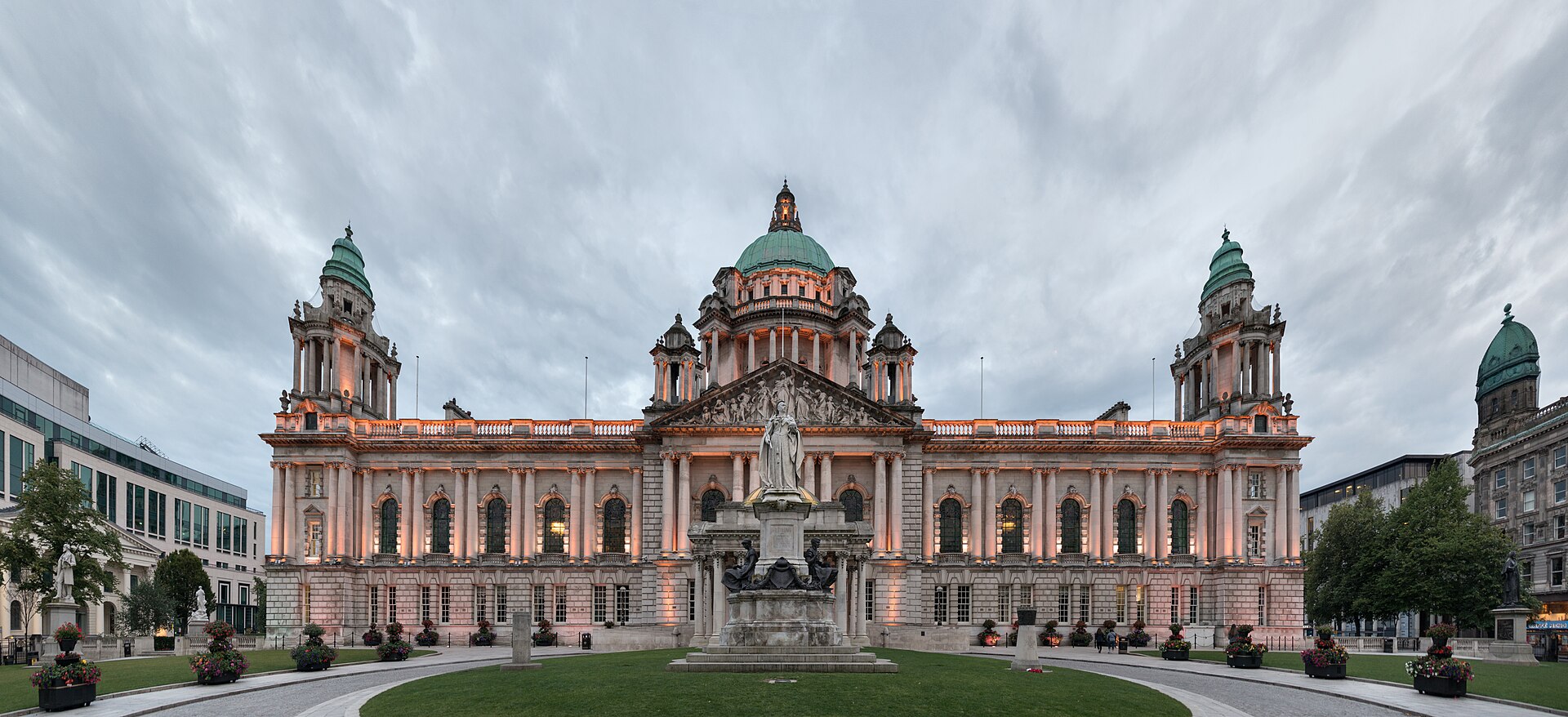
Belfast City Hall
POICity Hall significant as a symbol of the city’s civic pride and industrial prosperity, representing Belfast’s rise as a major center of shipbuilding and linen production in the early 20th century.
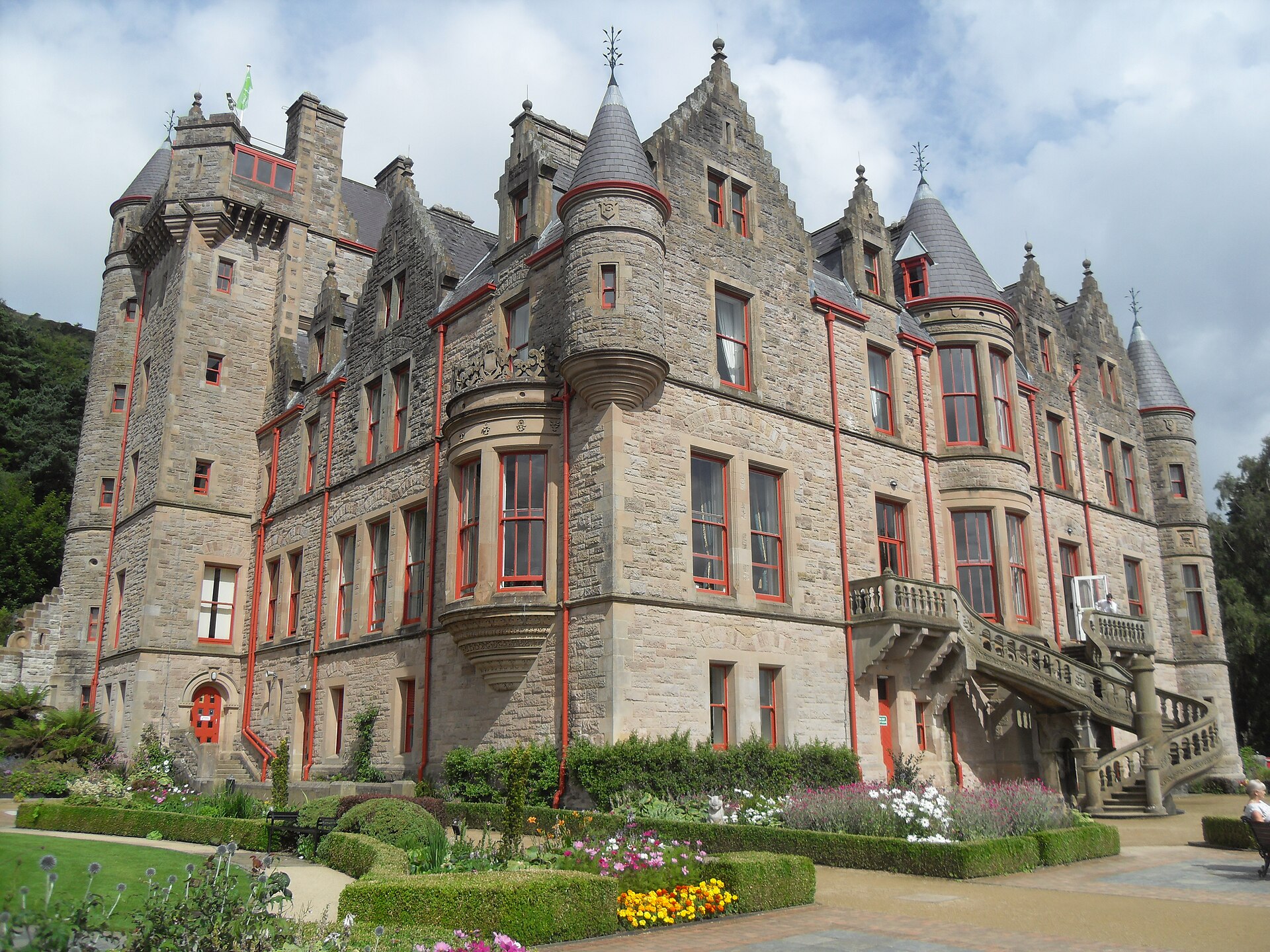
Belfast Castle
POI19th-century baronial residence built by the Donegall family, reflecting the social hierarchy and landed power structures of industrial-era Northern Ireland.
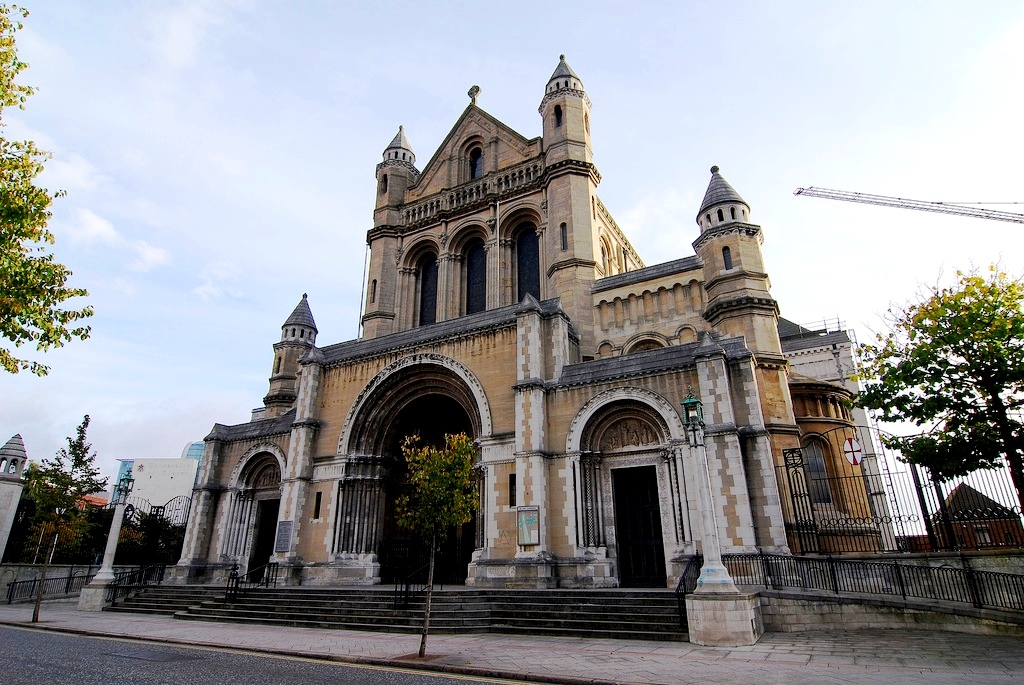
Saint Anne's Cathedral
POITwentieth-century cathedral built upon the site of an older parish church, featuring a unique stainless steel Spire of Hope and a floor paved with diverse Irish marbles.
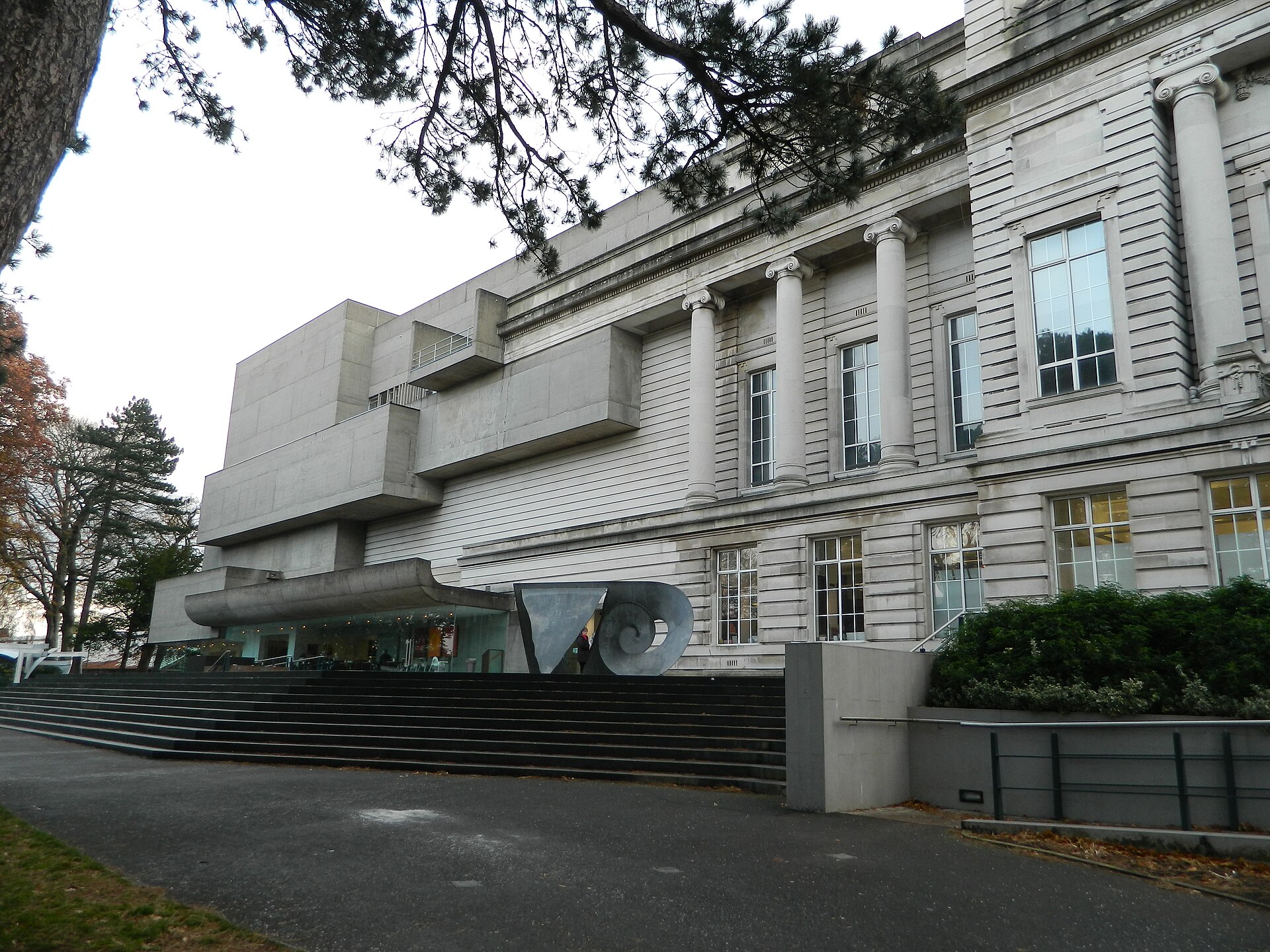
Ulster Museum
POILargest museum in Northern Ireland, featuring material from the collections of fine art and applied art, archaeology, ethnography, treasures from the Spanish Armada, local history, numismatics, industrial archaeology, botany, zoology, and geology.
Sources & Further Reading
- [1]Belfast: A History — Jonathan Bardon. Blackstaff Press (2011)
- [2]Making Sense of the Troubles — David McKittrick and David McVea. Penguin (2012)
- [3]The Transformation of Belfast — Brendan Murtagh. Routledge (2017)