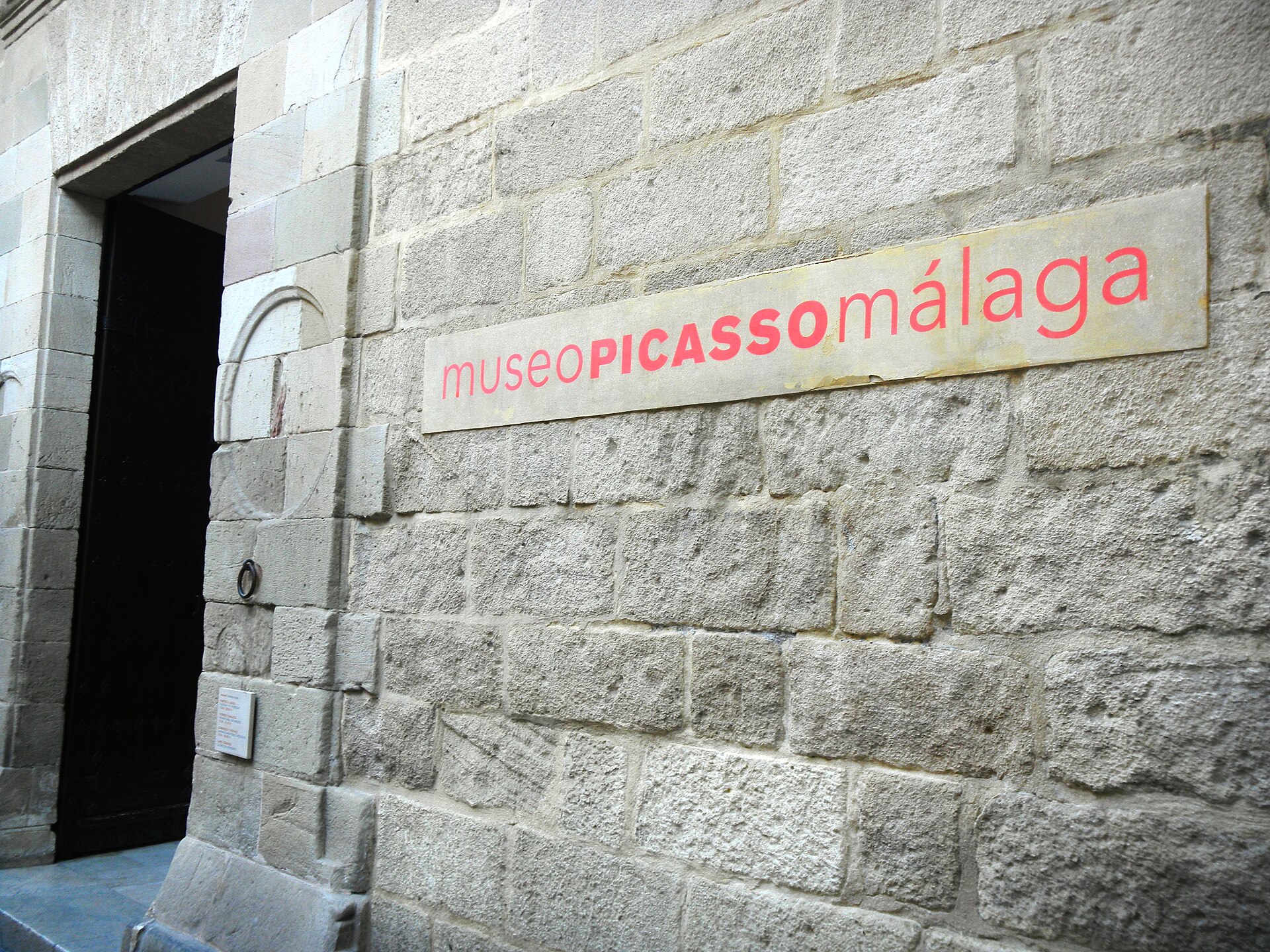
The Museo Picasso Málaga is housed within the Palacio de Buenavista, a 16th-century Renaissance palace in the heart of Málaga’s historic center. The museum was inaugurated in 2003 to fulfill Pablo Picasso’s long-held wish to have his work exhibited in his birthplace, featuring a collection donated primarily by his daughter-in-law, Christine Ruiz-Picasso, and grandson, Bernard Ruiz-Picasso.
The permanent collection spans eight decades of Picasso's career, showcasing his evolution through various styles, media, and techniques. The architectural integration of the historic palace with modern exhibition spaces provides a unique setting for viewing works that range from early academic studies to his late-career experiments in ceramics and sculpture.
Key Facts
- Materials
- Stone, Brick, Glass, Steel
- Civilization
- Spanish
- Accessibility
- Fully wheelchair accessible
- Date(s)
- 16th century (Palace), 2003 (Museum)
- Condition
- Well-preserved, active museum
- Original Function
- Residential Palace
- Key Figures
- Pablo Picasso, Christine Ruiz-Picasso, Bernard Ruiz-Picasso
The Palacio de Buenavista
16th centuryThe museum is located in the Palacio de Buenavista, a building that exemplifies the Andalusian Renaissance style. Built on the remains of a Nasrid palace, it served as a residence for the Counts of Buenavista for centuries.
Founding the Museum
1996-2003The project to establish a museum in Málaga was initiated by the Andalusian regional government in collaboration with the Picasso family. The palace underwent extensive renovation and expansion by architects Richard Gluckman, Isabel Cámara, and Rafael Martín Delgado to accommodate the collection.
Inauguration and Expansion
2003-PresentThe museum opened to the public in 2003. Since then, it has expanded its facilities to include an archaeological site discovered beneath the building, which features Phoenician, Roman, and Moorish remains, further enriching the site's historical context.
Cultural Significance
The museum serves as a cornerstone of Málaga's cultural identity, transforming the city into a major destination for art tourism. By housing works that were previously held in the family's private collection, it offers a more intimate perspective on Picasso's creative process than larger, state-run institutions.
It also plays a vital role in the urban regeneration of Málaga's historic quarter, acting as a catalyst for the development of the city's 'Museum Mile' and fostering local engagement with modern art through educational programs and temporary exhibitions.
Interpretive Notes
Scholarly debates and areas of uncertainty
Debates often center on the balance between the museum's role as a repository for Picasso's personal collection versus its function as a public educational institution. Additionally, scholars frequently discuss the architectural challenge of displaying 20th-century avant-garde art within a rigid, historic Renaissance structure.
Visiting Information
Entry Rules
Open daily. Tickets can be purchased online or at the box office. Last entry is 30 minutes before closing. Large bags and backpacks must be left in the cloakroom.
Best Times to Visit
Weekday mornings are generally quieter. The museum is less crowded during the off-season months of November through February.
Photography
Non-commercial photography is permitted in the galleries without flash or tripods. Video recording is prohibited.
Preservation Notes
Maintain a respectful distance from all artworks. Do not touch the exhibits. Climate control is strictly maintained to preserve the integrity of the paintings and ceramics.
Nearby POIs
5 shownSources & Further Reading
- [1]
- [2]Picasso: The Making of an Artist — John Richardson. Alfred A. Knopf (1991)
Key Facts
- Materials
- Stone, Brick, Glass, Steel
- Civilization
- Spanish
- Accessibility
- Fully wheelchair accessible
- Date(s)
- 16th century (Palace), 2003 (Museum)
- Condition
- Well-preserved, active museum
- Original Function
- Residential Palace
- Key Figures
- Pablo Picasso, Christine Ruiz-Picasso, Bernard Ruiz-Picasso