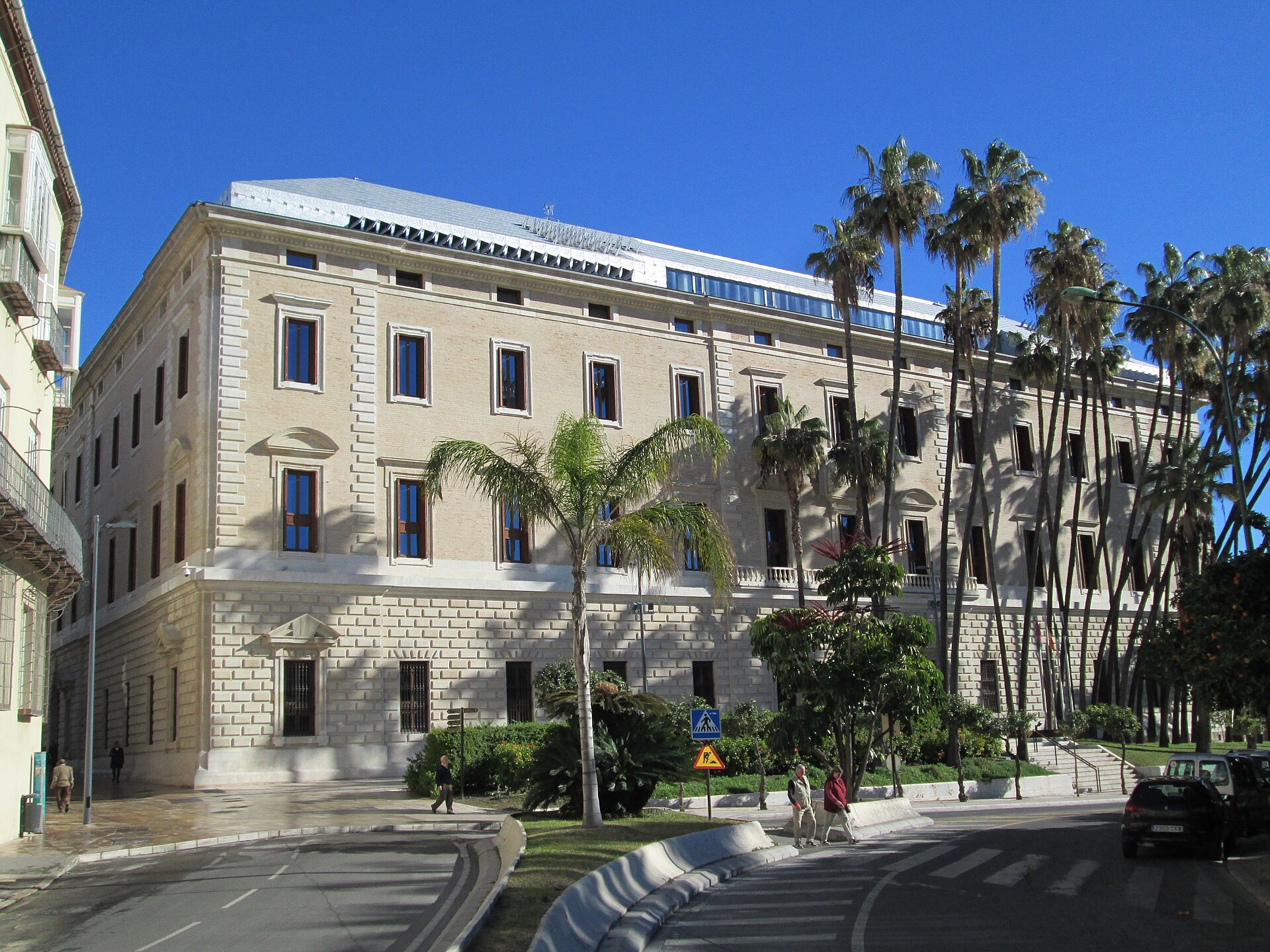
The Museo de Málaga is the largest museum in Andalusia and one of the most significant cultural institutions in southern Spain. Located in the historic Palacio de la Aduana, a neoclassical building originally constructed in the late 18th century as a customs house, the museum serves as a repository for the region's extensive historical and artistic heritage.
The institution integrates two major collections: the Provincial Archaeological Museum and the Provincial Museum of Fine Arts. The archaeological section features over 15,000 artifacts spanning from the prehistoric era through the Phoenician, Roman, and Islamic periods, while the fine arts collection houses more than 2,000 works, including significant paintings from the 19th and 20th centuries.
Key Facts
- Materials
- Stone, Brick, Iron
- Civilization
- Spanish
- Accessibility
- Fully accessible with elevators and ramps
- Date(s)
- 1791-1829
- Condition
- Restored and active
- Original Function
- Customs House (Palacio de la Aduana)
- Key Figures
- Manuel Martín Rodríguez
The Palacio de la Aduana
18th-19th centuryThe building was designed by architect Manuel Martín Rodríguez to serve as the Royal Customs House of Málaga. Its construction was a lengthy process, beginning in 1791 and concluding in 1829, reflecting the neoclassical architectural style prevalent in the era.
Institutional Foundation
19th-20th centuryThe museum was officially established in 1973 through the merger of the Provincial Museum of Fine Arts (founded 1913) and the Provincial Archaeological Museum (founded 1945). For decades, the collections were housed in separate locations before the decision was made to consolidate them in the Palacio de la Aduana.
Modern Consolidation
2016-presentAfter extensive renovations to adapt the historic customs house for museum use, the Museo de Málaga opened its doors to the public in its current location in December 2016. It now serves as a central hub for the study and display of Andalusian history and art.
Cultural Significance
The museum is a cornerstone of Málaga's cultural identity, bridging the gap between the city's ancient maritime history and its modern artistic development. By housing both archaeological and fine art collections under one roof, it provides a comprehensive narrative of the evolution of the province of Málaga.
Its location in the Palacio de la Aduana is symbolic, as the building itself is a protected historical monument that has transitioned from a center of trade and commerce to a center of cultural preservation and education.
Interpretive Notes
Scholarly debates and areas of uncertainty
Discussions regarding the museum often center on the challenges of balancing the display of diverse archaeological findings with the requirements of a fine arts gallery within a historic building. Additionally, there is ongoing academic interest in the provenance of specific 19th-century works within the fine arts collection.
Visiting Information
Entry Rules
Open Tuesday through Sunday. Admission is free for citizens of the European Union; a nominal fee applies to other visitors. Security screening is required upon entry.
Best Times to Visit
Weekday mornings are generally quieter. The museum is a popular destination during the summer months, so visiting outside of peak tourist hours is recommended.
Photography
Personal photography is permitted without flash or tripods. Commercial photography requires prior authorization from the museum administration.
Preservation Notes
Visitors are requested to refrain from touching artifacts or paintings. Large bags must be left in the provided lockers. Climate control is strictly maintained to preserve the integrity of the collections.
Nearby POIs
5 shownSources & Further Reading
- [1]Museo de Málaga: Historia y Colecciones — Junta de Andalucía. Consejería de Cultura y Patrimonio Histórico (2017)View
- [2]El Palacio de la Aduana de Málaga — Francisco Rodríguez Marín. Revista de Estudios Malagueños (2018)
Key Facts
- Materials
- Stone, Brick, Iron
- Civilization
- Spanish
- Accessibility
- Fully accessible with elevators and ramps
- Date(s)
- 1791-1829
- Condition
- Restored and active
- Original Function
- Customs House (Palacio de la Aduana)
- Key Figures
- Manuel Martín Rodríguez