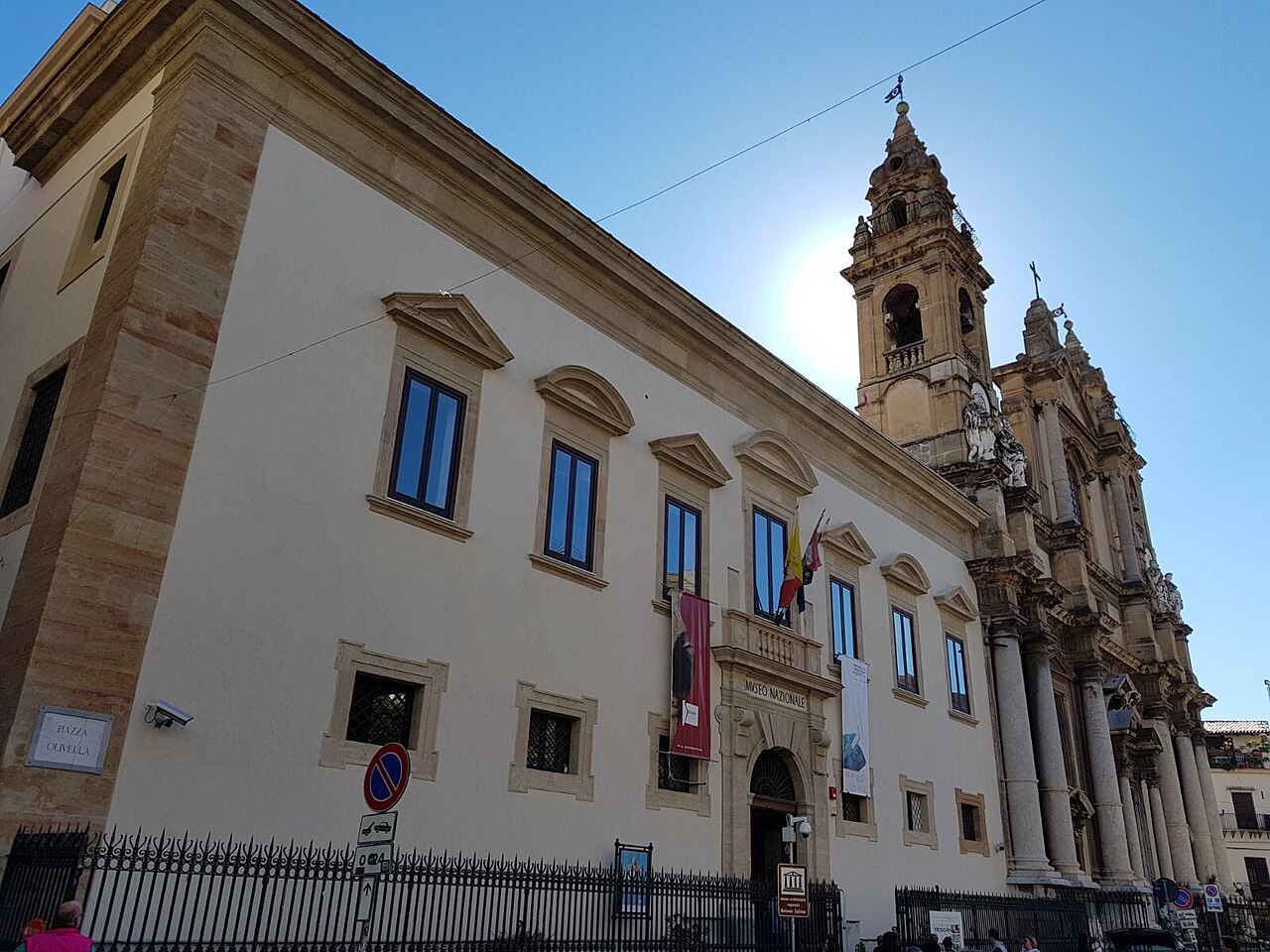
The Antonino Salinas Regional Archaeological Museum is located in the Olivella district of Palermo, housed within the former complex of the Congregation of Saint Philip Neri. It serves as the primary repository for archaeological findings from western Sicily, spanning from prehistoric times to the late Roman period.
The museum is internationally recognized for its extensive collection of Punic and Greek artifacts, including the renowned Palermo Stone and the metopes from the temples of Selinunte. The institution is named after Antonino Salinas, a distinguished numismatist and archaeologist who served as its director in the late 19th century and significantly expanded its holdings.
Key Facts
- Materials
- Stone, Marble, Terracotta
- Civilization
- Greek, Punic, Roman
- Accessibility
- Wheelchair accessible with elevator access to all floors
- Date(s)
- 17th century (building), 1814 (museum foundation)
- Condition
- Active museum, fully restored
- Original Function
- Oratory and convent of the Congregation of Saint Philip Neri
- Key Figures
- Antonino Salinas, Vincenzo Tusa
Foundation and Early Collections
1814The museum was established following the donation of the private collection of the University of Palermo to the public. It was initially housed in the Collegio Massimo dei Gesuiti before moving to its current location in the Olivella complex.
The Salinas Era
1873-1914Under the directorship of Antonino Salinas, the museum underwent a period of rapid expansion. Salinas utilized his expertise to acquire significant numismatic collections and oversaw the systematic cataloging of artifacts recovered from excavations across Sicily.
Modern Restoration
2011-2016The museum underwent a major structural and exhibition renovation, which modernized the display areas and improved the preservation environment for the delicate Selinunte metopes and other stone sculptures.
Cultural Significance
The museum is central to the understanding of Sicily's role as a crossroads of Mediterranean civilizations. Its collection of Punic artifacts provides rare insight into the Carthaginian presence in the region, while the Greek sculptures illustrate the artistic sophistication of the Magna Graecia colonies.
Locally, the museum is a cornerstone of Palermo's cultural heritage, preserving the material history of the city and its surrounding territories. It remains a vital educational resource for researchers studying the intersection of Phoenician and Hellenic cultures.
Interpretive Notes
Scholarly debates and areas of uncertainty
The interpretation of the Palermo Stone remains a subject of ongoing academic discussion, particularly regarding the chronological accuracy of the early Egyptian dynasties recorded on the fragment. Additionally, the provenance and original architectural placement of certain Selinunte metopes continue to be analyzed as new archaeological evidence emerges from the site.
Visiting Information
Entry Rules
Open Tuesday to Sunday. Tickets can be purchased at the entrance or online. Visitors are requested to refrain from touching the exhibits and to maintain a quiet demeanor.
Best Times to Visit
Weekday mornings are generally quieter. The museum is less crowded during the shoulder seasons of spring and autumn.
Photography
Personal photography is permitted without flash or tripods. Professional photography requires prior authorization from the museum administration.
Preservation Notes
Climate control systems are in place to protect the stone and terracotta artifacts. Please adhere to all signage regarding restricted areas and do not use flash photography, as it can degrade sensitive materials.
Nearby POIs
5 shownKey Facts
- Materials
- Stone, Marble, Terracotta
- Civilization
- Greek, Punic, Roman
- Accessibility
- Wheelchair accessible with elevator access to all floors
- Date(s)
- 17th century (building), 1814 (museum foundation)
- Condition
- Active museum, fully restored
- Original Function
- Oratory and convent of the Congregation of Saint Philip Neri
- Key Figures
- Antonino Salinas, Vincenzo Tusa