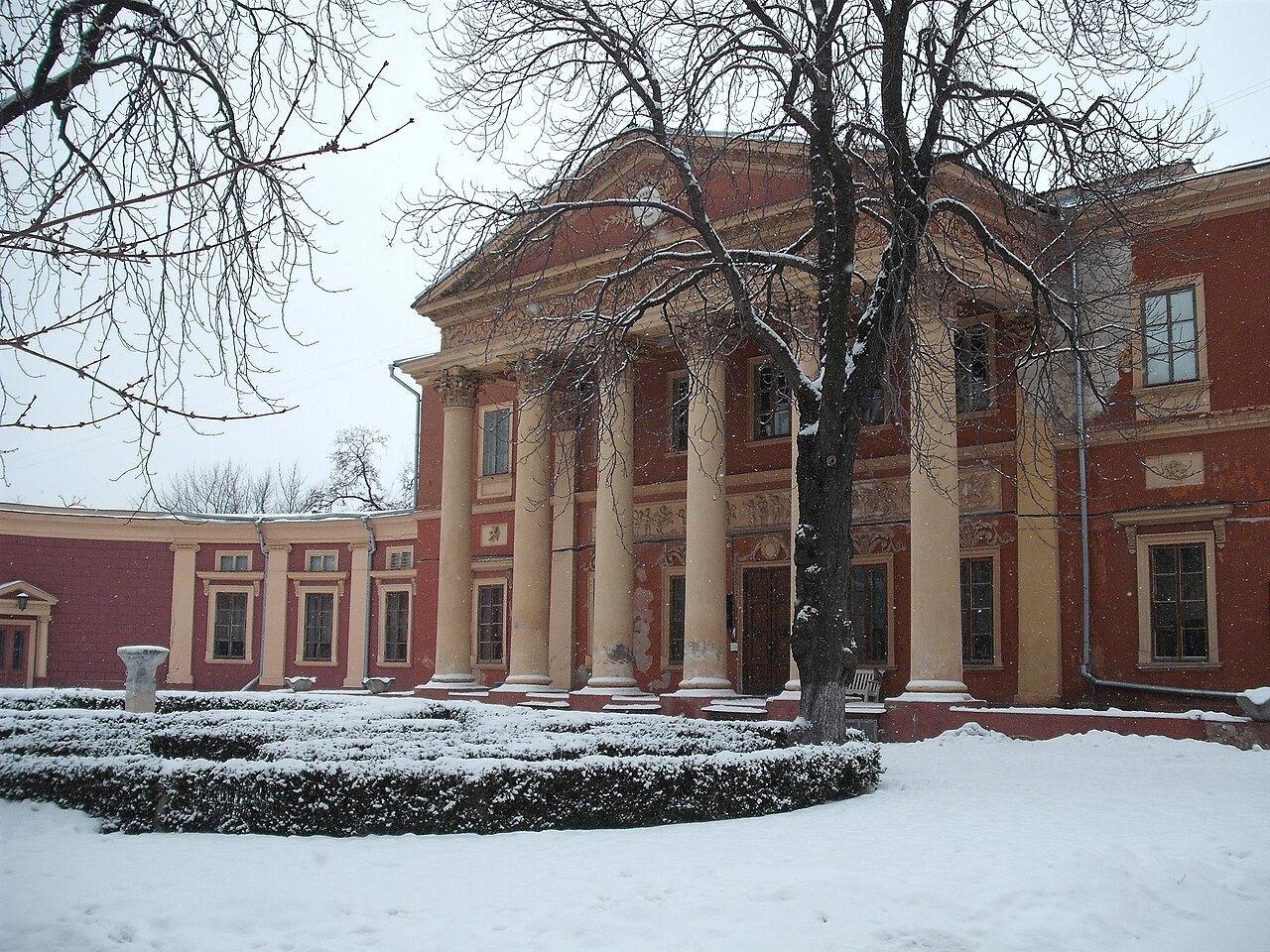
The Odessa Fine Arts Museum is one of the most significant art institutions in Ukraine, located in the historic Potocki Palace. The museum's collection spans from the 16th century to the present day, featuring a diverse array of paintings, sculptures, and graphic works by prominent Ukrainian and Russian artists. The building itself is a notable example of 19th-century neoclassical architecture, originally commissioned by Countess Olga Naryshkina and designed by architect Francesco Boffo.
Following its establishment in 1899, the museum has served as a cultural anchor for the city of Odessa. Its holdings include works by masters such as Ivan Aivazovsky, Ilya Repin, and Mykola Pymonenko, alongside a significant collection of icons and avant-garde pieces. The museum remains an active center for research, exhibition, and the preservation of regional artistic heritage.
Key Facts
- Materials
- Stone, Stucco, Marble
- Civilization
- Russian Empire
- Accessibility
- Limited accessibility for mobility-impaired visitors due to historic architecture
- Date(s)
- 1823-1826
- Condition
- Active museum, undergoing periodic restoration
- Original Function
- Private residence (Potocki Palace)
- Key Figures
- Olga Naryshkina, Francesco Boffo, Grigory Marazli
Palace Origins
1823-1826The building was constructed as a private residence for Countess Olga Naryshkina, a member of the influential Potocki family. Designed by the renowned architect Francesco Boffo, the palace served as a center for social and cultural life in early 19th-century Odessa.
Establishment of the Museum
1899The Odessa Fine Arts Museum was officially opened to the public in 1899, largely due to the efforts of the Odessa Society of Fine Arts. The collection was initially formed through donations from the Imperial Academy of Arts and local private collectors.
Soviet Era and Expansion
1920-1991During the Soviet period, the museum's collection was significantly expanded through the nationalization of private estates and systematic acquisitions. It became a state-run institution focusing on the promotion of socialist realism alongside classical works.
Contemporary Status
1991-PresentSince Ukraine's independence, the museum has focused on re-evaluating its collection and integrating contemporary Ukrainian art. It continues to serve as a vital institution for the study and display of regional artistic developments.
Cultural Significance
The museum is a cornerstone of Odessa's cultural identity, representing the city's historical role as a cosmopolitan hub of the Black Sea region. It preserves the artistic legacy of the southern Ukrainian school and provides a critical link between the imperial past and modern national identity.
Beyond its collection, the Potocki Palace is a protected architectural monument. The museum's presence in this space underscores the continuity of Odessa's intellectual history, serving as a venue for public discourse and cultural education.
Interpretive Notes
Scholarly debates and areas of uncertainty
There is ongoing academic discussion regarding the attribution and provenance of certain works acquired during the Soviet era, particularly those seized from private collections during the 1920s. Scholars continue to work on documenting the full history of these acquisitions to ensure transparency and historical accuracy.
Visiting Information
Entry Rules
Open to the public with standard ticketed entry. Visitors are requested to refrain from touching exhibits and to follow internal museum regulations regarding bag storage.
Best Times to Visit
Weekdays during morning hours are recommended to avoid weekend crowds. The museum often hosts special exhibitions in the spring and autumn months.
Photography
Non-commercial photography is generally permitted without flash. Professional or commercial photography requires prior authorization from the museum administration.
Preservation Notes
The historic nature of the building requires careful climate control. Visitors are asked to adhere to designated pathways and respect all signage regarding the protection of delicate artworks.
Nearby POIs
5 shownSources & Further Reading
- [1]Odessa Fine Arts Museum: History and Collection — Odesa Fine Arts Museum Administration. Museum Official Archive (2020)View
- [2]The Architecture of Odessa: Francesco Boffo — Konstantin Pilyavsky. Optimum Publishing (2008)
Key Facts
- Materials
- Stone, Stucco, Marble
- Civilization
- Russian Empire
- Accessibility
- Limited accessibility for mobility-impaired visitors due to historic architecture
- Date(s)
- 1823-1826
- Condition
- Active museum, undergoing periodic restoration
- Original Function
- Private residence (Potocki Palace)
- Key Figures
- Olga Naryshkina, Francesco Boffo, Grigory Marazli