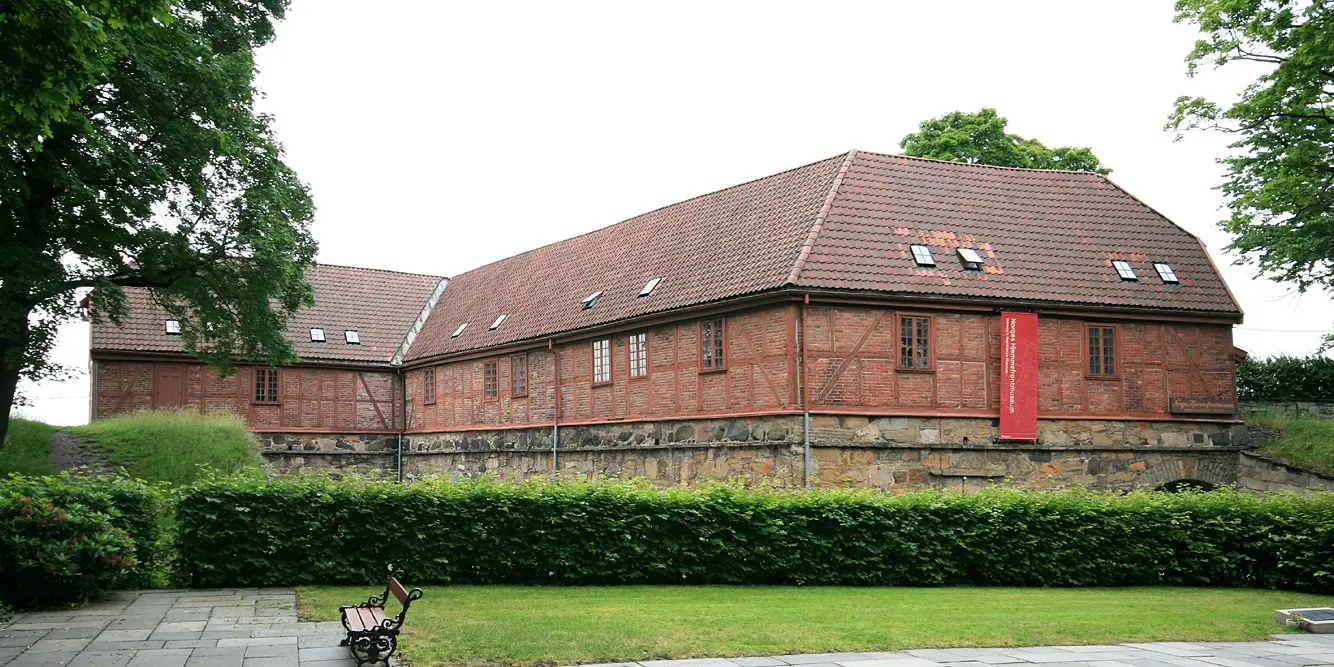
Norway's Resistance Museum (Norges Hjemmefrontmuseum) is located within the historic grounds of Akershus Fortress in Oslo. It provides a comprehensive chronicle of the German occupation of Norway from 1940 to 1945, documenting the rise of the resistance movement, the role of the Norwegian government-in-exile, and the eventual liberation of the country.
The museum's collection features an extensive array of artifacts, including illegal newspapers, radio equipment, weapons, and personal accounts from those involved in the resistance. Through these exhibits, the museum illustrates the daily realities of life under occupation and the clandestine efforts of the Home Front to undermine the occupying forces.
Key Facts
- Materials
- Stone, Brick, Glass
- Civilization
- Norwegian
- Accessibility
- Partially accessible; historic building constraints apply
- Date(s)
- 1970
- Condition
- Active
- Original Function
- Museum of occupation history
- Key Figures
- King Haakon VII, Max Manus, Gunnar Sønsteby
Establishment
1970The museum was founded in 1970 by the Norwegian Resistance Museum Foundation. It was established to preserve the history of the Norwegian resistance movement during World War II and to serve as a center for research and education.
The Occupation Years
1940-1945The exhibits focus on the period following the German invasion on April 9, 1940. It covers the initial military resistance, the establishment of the Quisling regime, and the subsequent growth of the organized Home Front (Hjemmefronten).
Modern Preservation
PresentToday, the museum continues to serve as a vital institution for historical memory in Norway, maintaining its collection within the medieval walls of Akershus Fortress and hosting regular exhibitions on wartime history.
Cultural Significance
The museum serves as a cornerstone of Norwegian national identity regarding the Second World War. It emphasizes the importance of civil resistance and the preservation of democratic values during periods of authoritarian occupation. It remains a primary site for school groups and international visitors to understand the Norwegian experience during the conflict.
Interpretive Notes
Scholarly debates and areas of uncertainty
Debates occasionally arise regarding the historiographical focus of the museum, specifically the balance between highlighting the military resistance versus the broader civilian experience and the complexities of collaborationism during the occupation.
Visiting Information
Entry Rules
Open daily during standard museum hours. Tickets can be purchased at the entrance. No specific dress code required.
Best Times to Visit
Weekdays during the morning to avoid weekend tourist crowds within the fortress grounds.
Photography
Personal photography is permitted for non-commercial use. Flash photography is prohibited in certain galleries to protect sensitive artifacts.
Preservation Notes
Maintain a respectful distance from all displays. Do not touch artifacts or glass cases. The museum is located in a historic building; please be mindful of uneven floors.
Nearby POIs
11 shownSources & Further Reading
- [1]
- [2]Norway and the Second World War — John Gilmour. University of Oslo Press (2010)
Key Facts
- Materials
- Stone, Brick, Glass
- Civilization
- Norwegian
- Accessibility
- Partially accessible; historic building constraints apply
- Date(s)
- 1970
- Condition
- Active
- Original Function
- Museum of occupation history
- Key Figures
- King Haakon VII, Max Manus, Gunnar Sønsteby