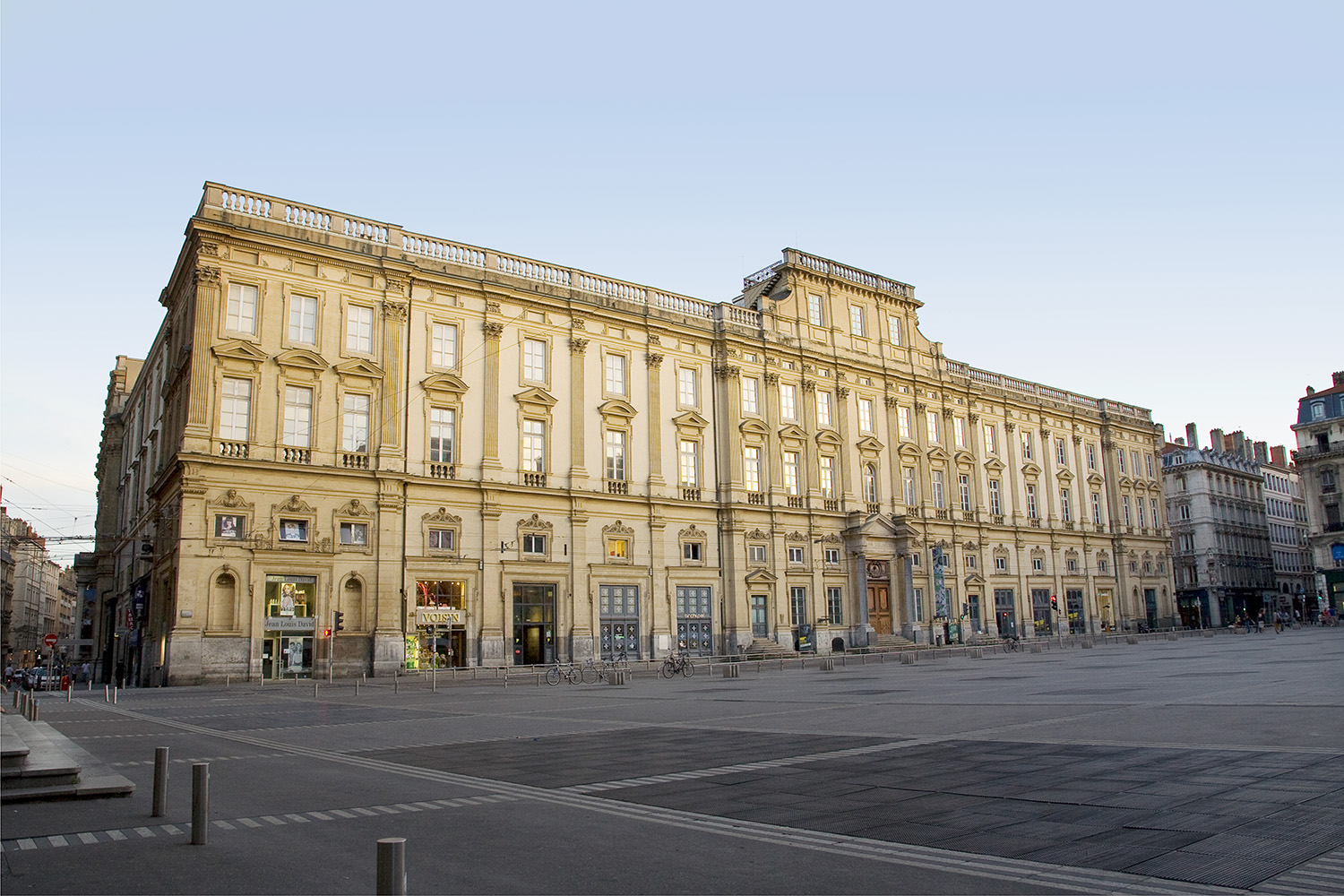
The Museum of Fine Arts of Lyon is one of France's largest art museums, housed within a restored 17th-century Benedictine abbey, the Abbey of Saint-Pierre. Established in 1801 following the French Revolution, the museum was part of a national initiative to distribute confiscated artworks to major regional cities, forming the core of its initial collection.
The museum's permanent collection spans from ancient Egyptian antiquities to modern art, organized across 70 galleries. It is particularly noted for its extensive holdings of paintings, sculptures, and decorative arts, as well as its significant collection of coins and medals, reflecting the cultural and economic history of the Lyon region.
Key Facts
- Materials
- Stone, Brick, Glass
- Civilization
- French
- Accessibility
- Fully wheelchair accessible
- Date(s)
- 1659-1685 (Abbey building)
- Condition
- Well-preserved, active museum
- Original Function
- Benedictine Abbey
- Key Figures
- Napoleon Bonaparte, Jean-Michel Jarre, Michel-Philibert Genod
Foundation of the Abbey
17th CenturyThe building was originally constructed as the Royal Abbey of Saint-Pierre, a Benedictine convent for women. The current structure, featuring a grand staircase and cloister, was completed in the late 17th century.
Revolutionary Transformation
1801Following the French Revolution, the abbey was secularized. In 1801, the French government designated the site as a museum to house artworks collected from the region, officially opening to the public shortly thereafter.
Expansion and Modernization
19th-20th CenturyThroughout the 19th and 20th centuries, the museum underwent several expansions to accommodate its growing collection. A major renovation project in the 1990s modernized the galleries and restored the cloister garden.
Cultural Significance
The museum serves as a cornerstone of Lyon's cultural identity, bridging the gap between the city's historical textile industry and its modern artistic output. It acts as a repository for regional heritage while maintaining a global perspective through its diverse international collections.
Interpretive Notes
Scholarly debates and areas of uncertainty
Debates exist regarding the provenance of certain works acquired during the Napoleonic era and the subsequent redistribution of art from Paris to the provinces, focusing on the ethics of state-mandated art allocation.
Visiting Information
Entry Rules
Open Wednesday through Monday. Tickets can be purchased online or at the entrance. Modest attire is requested. Large bags are not permitted in the galleries.
Best Times to Visit
Weekday mornings are generally quieter. The cloister garden is particularly pleasant during spring and autumn months.
Photography
Non-commercial photography without flash is permitted in permanent collection galleries. Temporary exhibitions may have specific restrictions.
Preservation Notes
Maintain a respectful distance from all artworks. Flash photography and the use of tripods are strictly prohibited to protect light-sensitive materials.
Nearby POIs
8 shownSources & Further Reading
- [1]
- [2]The Abbey of Saint-Pierre: Architecture and History — Jean-Claude Mossière. Lyon Historical Society (2008)
Key Facts
- Materials
- Stone, Brick, Glass
- Civilization
- French
- Accessibility
- Fully wheelchair accessible
- Date(s)
- 1659-1685 (Abbey building)
- Condition
- Well-preserved, active museum
- Original Function
- Benedictine Abbey
- Key Figures
- Napoleon Bonaparte, Jean-Michel Jarre, Michel-Philibert Genod