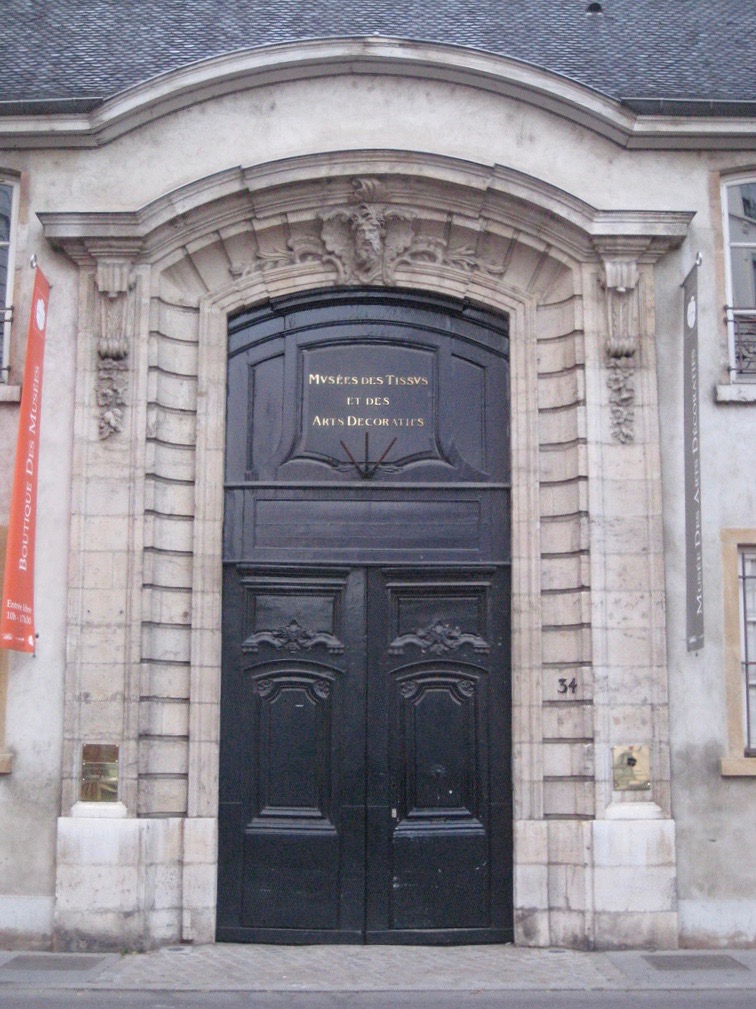
The Musée des Tissus in Lyon is one of the world's most significant institutions dedicated to the history of textiles. Established in 1864 by the Lyon Chamber of Commerce, the museum was designed to provide inspiration and technical reference for the city's renowned silk industry. Its vast collection, which includes over 2.5 million items, documents the evolution of weaving, embroidery, and textile design across four millennia and diverse global cultures.
The museum is housed within two historic mansions, the Hôtel de Villeroy and the Hôtel de Lacroix-Laval, located in the heart of Lyon's Presqu'île district. The holdings range from ancient Coptic fragments and intricate medieval tapestries to contemporary fashion pieces, serving as a comprehensive archive of human craftsmanship and industrial innovation.
Key Facts
- Materials
- Silk, Wool, Linen, Synthetic fibers
- Civilization
- French
- Accessibility
- Wheelchair accessible
- Date(s)
- 1864
- Condition
- Active museum and research center
- Original Function
- Industrial reference collection for the silk industry
- Key Figures
- Édouard Aynard
Founding and Industrial Context
1864The museum was founded by the Lyon Chamber of Commerce to support the local silk industry. By collecting global textile samples, the institution provided designers and manufacturers with a library of patterns and techniques to maintain Lyon's competitive edge in the international market.
Expansion of the Collection
Late 19th - 20th CenturyThroughout the 20th century, the museum significantly expanded its scope beyond industrial utility. Through strategic acquisitions and donations, it grew into a comprehensive repository of global textile history, covering everything from ancient archaeological finds to haute couture.
Modern Preservation
21st CenturyToday, the museum operates as a center for research and public education. Recent efforts have focused on the restoration of its historic buildings and the digitization of its massive archive to ensure the long-term preservation of its fragile holdings.
Cultural Significance
The museum is central to Lyon's identity as a historic capital of silk production. It preserves the technical knowledge and artistic heritage of the 'Canuts' (Lyon silk workers) while situating their work within a broader global narrative of textile production. It remains a vital resource for fashion historians, textile designers, and researchers worldwide.
Interpretive Notes
Scholarly debates and areas of uncertainty
Debates often center on the balance between the museum's original mission as an industrial tool for the silk trade versus its modern role as a public cultural institution. Additionally, there is ongoing academic discussion regarding the conservation ethics of displaying highly light-sensitive organic materials.
Visiting Information
Entry Rules
Open Tuesday to Sunday. Tickets can be purchased on-site or online. Standard museum conduct applies; visitors are asked to refrain from touching exhibits due to the fragility of the textiles.
Best Times to Visit
Weekday mornings are generally quieter. The museum often hosts temporary exhibitions that may draw larger crowds on weekends.
Photography
Non-commercial photography is permitted without flash. Tripods and professional lighting equipment require prior authorization.
Preservation Notes
The museum maintains strict climate control to protect the textiles. Visitors are requested to keep a respectful distance from display cases and avoid using flash, which can cause irreversible damage to dyes and fibers.
Nearby POIs
8 shownSources & Further Reading
- [1]Musée des Tissus et des Arts Décoratifs: Guide des Collections — Collectif. Musée des Tissus (2015)
- [2]Lyon et la soie: Une histoire industrielle — Pierre Cayez. Presses Universitaires de Lyon (1995)
Key Facts
- Materials
- Silk, Wool, Linen, Synthetic fibers
- Civilization
- French
- Accessibility
- Wheelchair accessible
- Date(s)
- 1864
- Condition
- Active museum and research center
- Original Function
- Industrial reference collection for the silk industry
- Key Figures
- Édouard Aynard