Sofia’s Layers of Time: A Journey Through Europe’s Oldest Secrets
From Roman streets and medieval churches to mountain views and bustling markets, Sofia reveals more than two millennia of history at every turn.
 Daniel Romanov
Sofia's Layers of Time: Walking Through Bulgaria's Ancient Capital
Sofia has stood at the crossroads of empires for thousands of years. Thracian tribes, Roman emperors, Byzantine rulers, Ottoman governors, and modern Bulgarians have all left their mark on the city, creating one of Europe's most fascinating historical landscapes. Today, ancient ruins emerge beneath busy streets, medieval churches stand beside Ottoman monuments, and modern boulevards connect neighborhoods shaped by centuries of cultural exchange.
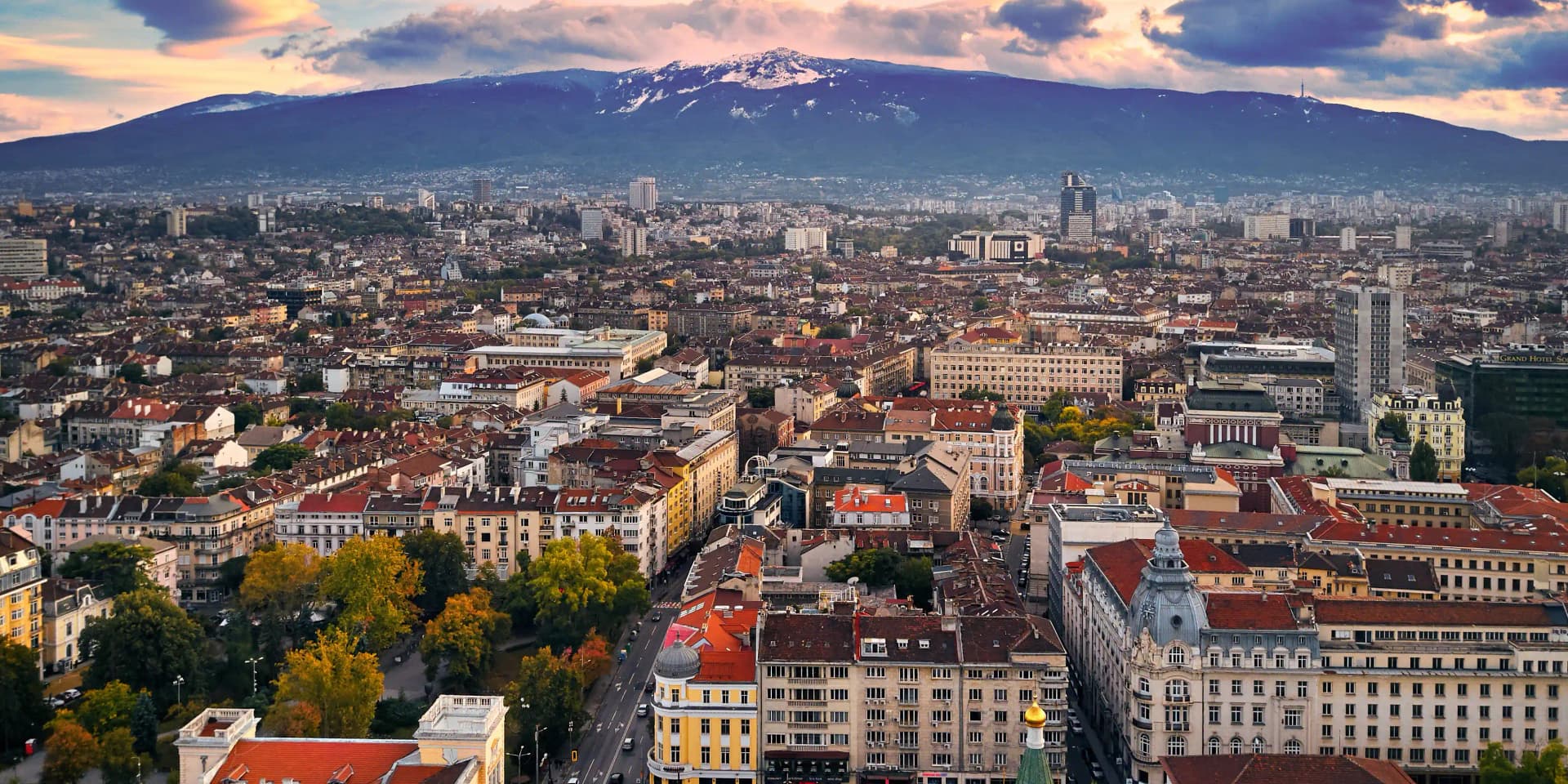
Nestled beneath the slopes of Vitosha Mountain, Sofia is often overlooked by travelers heading to more famous European capitals. Yet few cities reveal their history as openly. Every district, monument, and archaeological site contributes to a story that spans more than two millennia.
From Thracian Settlement to Roman Serdica
Long before Sofia became the capital of Bulgaria, the region was home to the Thracian Serdi tribe. Their settlement eventually attracted the attention of Rome, which incorporated the area into the empire during the first century AD.
The Romans transformed the settlement into Serdica, an important administrative and commercial center strategically positioned along routes connecting Europe and Asia. The city prospered under Roman rule, gaining defensive walls, baths, public buildings, and paved streets.
Serdica became so significant that Emperor Constantine the Great reportedly remarked that "Serdica is my Rome." Although Constantinople ultimately became the empire's eastern capital, Serdica remained one of the Balkans' most important urban centers for centuries.
Roman Sofia Beneath the Streets
One of Sofia's most remarkable features is how visible its Roman past remains.
The Serdica Archaeological Complex preserves extensive sections of the ancient city directly beneath the modern center. Visitors can walk alongside Roman streets, foundations, drainage systems, and public buildings while surrounded by contemporary government offices, metro stations, and commercial districts.
Glass-covered sections reveal archaeological remains integrated into the urban environment, allowing travelers to experience how ancient and modern Sofia coexist. Rather than being isolated in a museum, the ruins remain woven into everyday life.
Another highlight of the Roman city is the Amphitheatre of Serdica. Once used for public spectacles and gatherings, the structure demonstrates the scale and sophistication of Roman urban development in the region. Its preservation offers a rare glimpse into the entertainment culture of ancient Serdica.
Christianity and the Birth of a City
As Christianity spread throughout the Roman Empire, Serdica became an important religious center. Several of Sofia's most significant landmarks date to this transformative period.
Hidden within a quiet courtyard near the Presidency building stands Saint George Rotunda. Constructed during the Roman era, it is the oldest preserved building in Sofia. The circular red-brick structure has survived invasions, political upheaval, and centuries of urban development.
Inside, visitors can observe layers of frescoes painted across different historical periods. These artworks provide a visual record of changing artistic styles, religious traditions, and cultural influences throughout the centuries.
Just a short distance away stands Saint Sophia Church, one of the most important monuments in Bulgaria. Built largely during the sixth century, the church eventually gave the city its modern name. Rather than honoring a specific saint, the church is dedicated to Holy Wisdom, a concept central to Christian theology.
Its simple red-brick exterior contrasts with the immense historical significance it carries. Through invasions, earthquakes, and political change, the church remained a symbol of continuity and resilience.
Ottoman Sofia and a New Cultural Layer
In the late fourteenth century, Sofia became part of the Ottoman Empire. For nearly five centuries, Ottoman rule reshaped the city's architecture, administration, and cultural life.
One of the most prominent surviving monuments from this period is Banya Bashi Mosque. Designed by the renowned Ottoman architect Mimar Sinan during the sixteenth century, the mosque remains an active place of worship today.
Its elegant dome and distinctive minaret serve as reminders of Sofia's multicultural past. Alongside churches, synagogues, and modern civic buildings, the mosque reflects the diverse communities that have called the city home throughout its history.
The Ottoman period also introduced baths, markets, and urban institutions that contributed to Sofia's development as a regional center of commerce and administration.
The Rise of Modern Bulgaria
Following Bulgaria's liberation from Ottoman rule in 1878, Sofia was chosen as the capital of the newly restored Bulgarian state.
At the time, the city was relatively modest in size compared to other European capitals. Over the following decades, however, Sofia underwent rapid transformation. New government buildings, educational institutions, museums, and cultural centers emerged across the city.
This period helped establish Sofia as the political, economic, and cultural heart of modern Bulgaria. The architecture of the era reflects both European influences and a growing sense of national identity.
The Cathedral That Defines the Skyline
No monument symbolizes modern Sofia more than Alexander Nevsky Cathedral.
Constructed between 1882 and 1912, the cathedral commemorates Russian soldiers who died during the Russo-Turkish War, a conflict that played a crucial role in Bulgaria's independence. Its immense golden domes dominate the skyline and have become one of the country's most recognizable landmarks.
The cathedral's interior is equally impressive. Marble columns, elaborate frescoes, and religious iconography create one of the finest examples of Orthodox ecclesiastical art in the Balkans.
For many visitors, Alexander Nevsky Cathedral serves as both a cultural landmark and a symbol of Bulgaria's modern nationhood.
From Historic Squares to Mountain Views
While Sofia's history is its defining characteristic, the city is also a vibrant contemporary capital.
Walking along Vitosha Boulevard offers a glimpse into modern urban life. Cafés, shops, restaurants, and public spaces fill the avenue, while views of Vitosha Mountain create one of the city's most iconic perspectives.
The mountain itself has long influenced Sofia's identity. For centuries, it provided resources, religious retreat sites, and natural protection. Today, it remains a popular destination for hiking, outdoor recreation, and panoramic views across the Sofia Basin.
The close relationship between city and mountain contributes to Sofia's unique character, blending urban exploration with immediate access to nature.
Tastes of Bulgaria
Sofia is one of the best places to experience traditional Bulgarian cuisine.
A classic introduction is shopska salata, a refreshing combination of tomatoes, cucumbers, peppers, onions, and grated sirene cheese. Often considered Bulgaria's national salad, it reflects the country's agricultural traditions and Mediterranean influences.
Another staple is banitsa, a flaky pastry filled with cheese and eggs that has been enjoyed across generations. It remains a popular breakfast throughout the country.
For heartier meals, traditional mehanas often serve dishes such as kavarma, a slow-cooked meat and vegetable stew, and kebapche, grilled minced meat seasoned with regional spices. These foods provide insight into the culinary traditions that continue to shape Bulgarian cultural identity.
A City of Constant Discovery
What makes Sofia remarkable is not any single monument but the way different historical eras coexist throughout the city.
Roman streets emerge beneath modern plazas. Byzantine churches stand beside Ottoman monuments. National revival architecture shares space with contemporary developments. Each layer adds depth to the story of a city that has continuously evolved while preserving traces of its past.
For travelers interested in history, culture, archaeology, and everyday urban life, Sofia offers an experience that extends far beyond its landmarks. Every neighborhood reveals another chapter in a narrative stretching back thousands of years, making Bulgaria's capital one of Southeastern Europe's most rewarding destinations for cultural exploration.