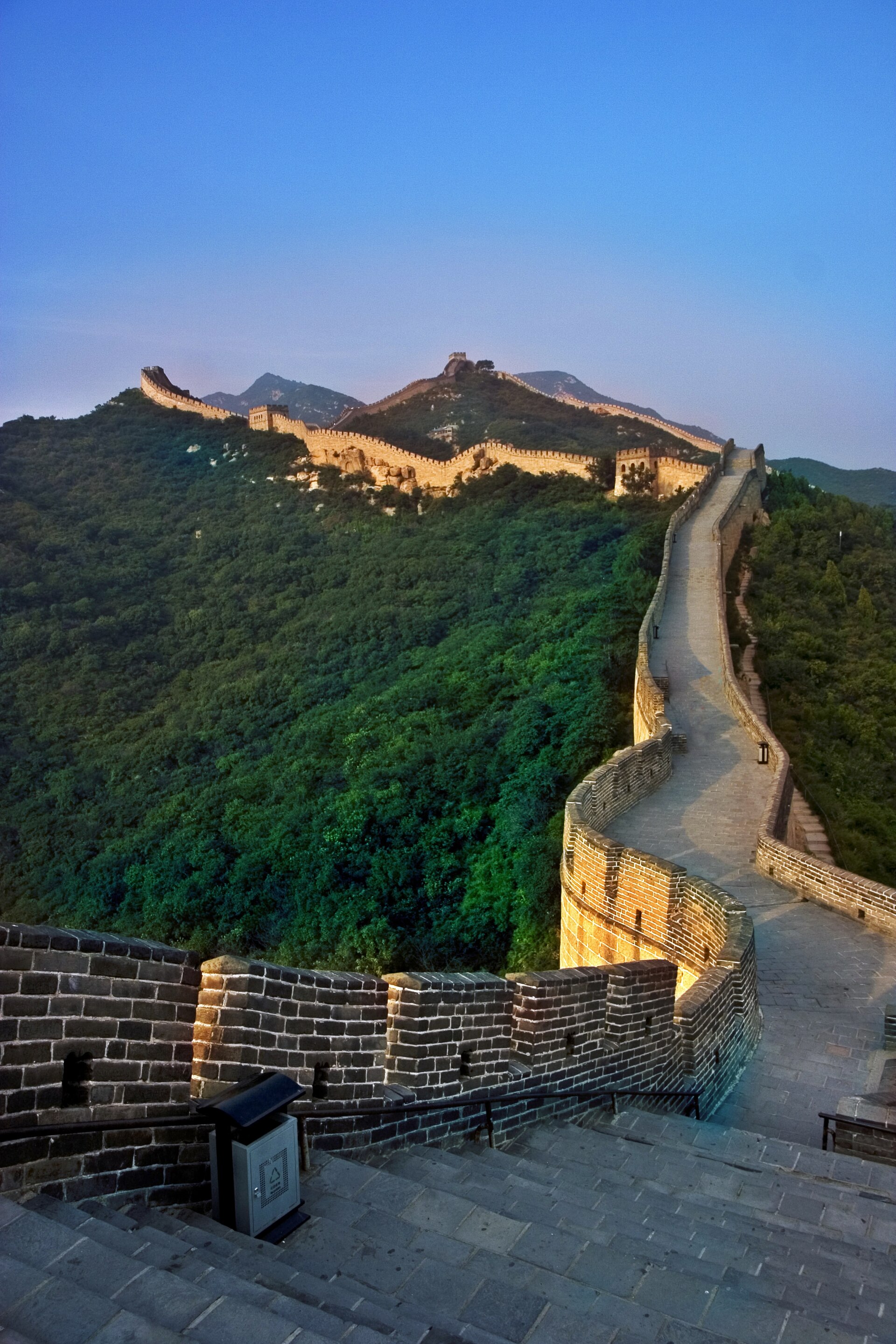
The Badaling section of the Great Wall of China is the most visited and best-preserved segment of the Wall, located approximately 80 km northwest of Beijing. Constructed mainly during the Ming Dynasty (mid-16th century), it was strategically built to protect the capital from northern invasions. Badaling features restored stone walls, prominent watchtowers, and relatively gentle inclines, making it more accessible to large numbers of visitors. The section has become a major tourist attraction while retaining historical authenticity.
Key Facts
- Length
- Approximately 7.8 km restored for visitors
- Location
- Yanqing District, Beijing, China
- Materials
- Granite, Large stone blocks, Brick
- Civilization
- Ming Dynasty
- Major Features
- Watchtowers, Fortified parapets, Stone ramparts
- Date(s)
- Mid-16th century
- Condition
- Well preserved and restored for public access
Early Fortifications
Warring States period to early MingInitial fortifications existed along the area during earlier Chinese dynasties. The current structure primarily dates from the Ming Dynasty, designed to secure Beijing’s northern approaches.
Ming Dynasty Construction
Mid-16th centuryBadaling was built with reinforced stone walls and multiple watchtowers, serving both as a defensive stronghold and a communication route. Its design optimized visibility and troop deployment.
Modern Restoration and Tourism
1950s-presentRestoration projects in the 1950s and beyond have stabilized the wall for public access. Modern infrastructure includes cable cars, elevators, and visitor facilities, allowing high visitor capacity without compromising historical integrity.
Cultural Significance
Badaling is a global symbol of Chinese engineering, cultural heritage, and historical resilience. It played a key role in protecting the capital during the Ming Dynasty and is now emblematic of China’s national identity and tourist industry.
Interpretive Notes
Scholarly debates and areas of uncertainty
Scholarly discussion includes debates on the authenticity of extensive modern restoration, the effectiveness of the Wall as a military barrier, and the interpretation of watchtower spacing and signaling strategies.
Visiting Information
Entry Rules
Ticketed entry required. Cable cars, elevators, and designated walking paths available. No overnight stays allowed. Follow staff instructions.
Best Times to Visit
Spring and autumn for mild weather and fewer tourists. Early mornings recommended for photos and quieter experience.
Photography
Photography permitted. Tripods may be restricted during peak hours. Drone use requires official permit.
Preservation Notes
Do not climb walls outside designated areas. Follow signage and staff directions to protect the stonework and terraces.
Nearby POIs
5 shownSources & Further Reading
- [1]
- [2]The Great Wall of China — William Lindesay. Da Capo Press (2007)
Key Facts
- Length
- Approximately 7.8 km restored for visitors
- Location
- Yanqing District, Beijing, China
- Materials
- Granite, Large stone blocks, Brick
- Civilization
- Ming Dynasty
- Major Features
- Watchtowers, Fortified parapets, Stone ramparts
- Date(s)
- Mid-16th century
- Condition
- Well preserved and restored for public access