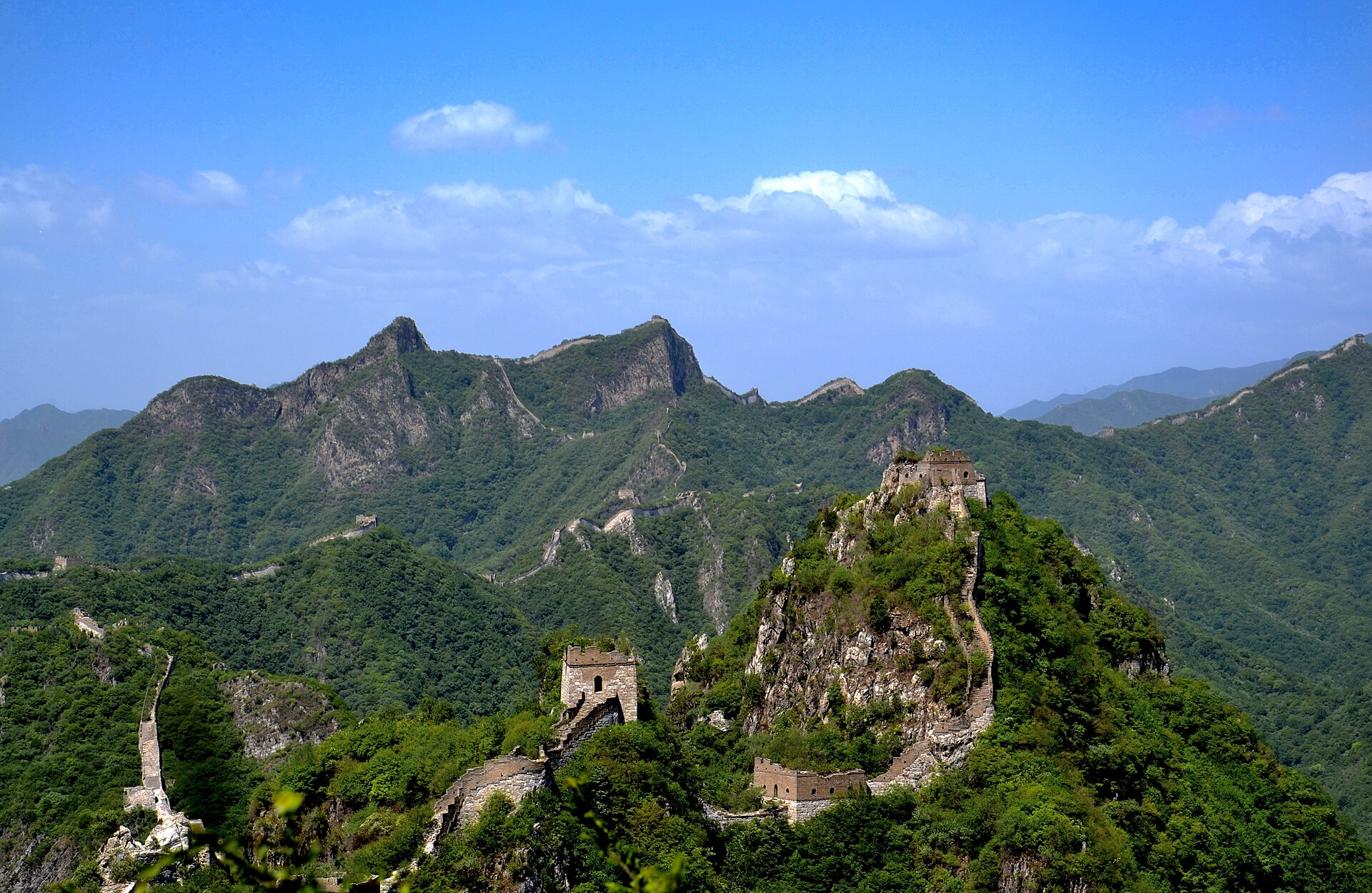
The Jiankou section of the Great Wall of China is a steep, unrestored segment located about 73 km north of Beijing. Built during the Ming Dynasty (16th century), it is famous for its dramatic mountain scenery, wild terrain, and partially ruined condition. Unlike the more restored sections at Badaling and Mutianyu, Jiankou has crumbling stonework and narrow pathways, attracting experienced hikers and adventure tourists while remaining unsafe for casual visitors.
Key Facts
- Length
- Approximately 20 km of unrestored wall
- Location
- Huairou District, Beijing, China
- Materials
- Granite, Stone blocks, Brick
- Civilization
- Ming Dynasty
- Major Features
- Watchtowers, Steep cliffs, Unrestored stonework
- Date(s)
- 16th century
- Condition
- Partially ruined and unstable; high risk for hikers
Ming Dynasty Construction
16th centuryJiankou was built as part of the northern defense system of the Ming capital, featuring watchtowers and steep walls that used the natural topography for defense and signaling.
Abandonment and Decay
17th-20th centuriesThe section fell into disrepair after military use declined. Natural erosion and lack of restoration have left it in a largely ruined state.
Modern Exploration
21st centuryJiankou has become popular with hikers, photographers, and adventure tourists. Guides and local authorities caution visitors due to unstable stonework and steep drops.
Cultural Significance
Jiankou demonstrates the original rugged defensive architecture of the Ming Great Wall and the integration of construction with natural terrain. Its wild and dramatic landscape has made it a symbol of adventurous exploration and historical preservation challenges.
Interpretive Notes
Scholarly debates and areas of uncertainty
Debates focus on the degree of preservation versus restoration needed. Scholars discuss whether preserving the original ruinous state or reconstructing for safety better respects historical authenticity.
Visiting Information
Entry Rules
No official facilities; hiking allowed at visitor’s own risk. Strongly recommended to hire a guide and wear appropriate safety equipment.
Best Times to Visit
Spring and autumn for mild weather and clear skies. Avoid rainy or icy conditions due to extreme slipperiness and danger.
Photography
Photography permitted. Extreme caution required near cliff edges. Drone use requires official permit.
Preservation Notes
Do not disturb or remove stones. Maintain distance from unstable walls and steep drops. Travel only with proper safety gear.
Nearby POIs
4 shownSources & Further Reading
- [1]
- [2]The Great Wall of China — William Lindesay. Da Capo Press (2007)
Key Facts
- Length
- Approximately 20 km of unrestored wall
- Location
- Huairou District, Beijing, China
- Materials
- Granite, Stone blocks, Brick
- Civilization
- Ming Dynasty
- Major Features
- Watchtowers, Steep cliffs, Unrestored stonework
- Date(s)
- 16th century
- Condition
- Partially ruined and unstable; high risk for hikers