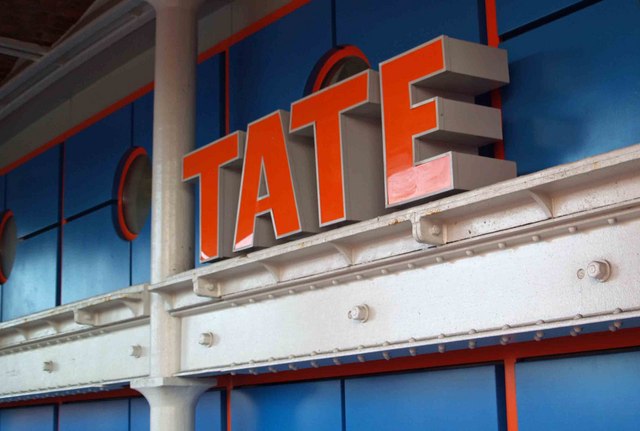
Tate Liverpool is a public art gallery and museum located at the Royal Albert Dock in Liverpool, England. Established in 1988 as the first Tate gallery outside of London, it occupies a converted 19th-century warehouse originally designed by Jesse Hartley. The institution serves as a major venue for modern and contemporary art, housing a significant portion of the national collection.
The gallery plays a central role in the cultural regeneration of Liverpool's waterfront. By repurposing industrial architecture for public exhibition space, the museum bridges the city's maritime history with its contemporary identity as a hub for international art and creative industries.
Key Facts
- Materials
- Brick, Cast iron, Stone
- Civilization
- British
- Accessibility
- Fully accessible with lifts and level access
- Date(s)
- 1846 (warehouse), 1988 (gallery)
- Condition
- Active museum
- Original Function
- Warehouse
- Key Figures
- Jesse Hartley, James Stirling
Industrial Origins
1846The building was constructed as part of the Albert Dock complex, designed by civil engineer Jesse Hartley. It served as a secure warehouse for the storage of valuable goods arriving at the Port of Liverpool.
Establishment of the Gallery
1988As part of the wider regeneration of the Liverpool waterfront, the warehouse was converted into an art gallery. The architectural renovation was led by James Stirling, who integrated modern exhibition spaces within the historic shell.
Expansion and Modernization
2008-PresentThe gallery gained increased prominence during Liverpool's tenure as the European Capital of Culture in 2008. It continues to host major international exhibitions and serves as a focal point for contemporary art discourse in Northern England.
Cultural Significance
Tate Liverpool is a cornerstone of the 'Liverpool Model' of urban regeneration, demonstrating how cultural institutions can revitalize post-industrial cities. It provides regional access to the national art collection, significantly impacting the local creative economy and tourism sector.
The gallery is deeply embedded in the identity of the Royal Albert Dock, a UNESCO World Heritage-listed maritime site. Its presence signifies the transition of the area from a site of colonial trade to a center for global cultural exchange.
Interpretive Notes
Scholarly debates and areas of uncertainty
Discussions often center on the tension between the gallery's role as a 'national' institution and its mandate to serve the specific local community of Liverpool. Scholars debate whether the presence of a major London-based brand like Tate truly empowers local artistic production or if it risks overshadowing regional voices.
Visiting Information
Entry Rules
Open daily. General admission is free, though some special exhibitions require a paid ticket. Visitors are encouraged to book time slots in advance during peak periods.
Best Times to Visit
Weekdays outside of school holidays offer the quietest experience. The gallery is particularly busy during the Liverpool Biennial.
Photography
Personal photography is permitted in most galleries for non-commercial use. Flash and tripods are prohibited. Specific temporary exhibitions may have 'no photography' policies.
Preservation Notes
The building is a Grade I listed structure; visitors must adhere to strict guidelines regarding the protection of the historic fabric and the artworks on display.
Nearby POIs
11 shownSources & Further Reading
- [1]Tate: A History — Frances Spalding. Tate Publishing (1998)
- [2]The Architecture of the Albert Dock — Quentin Hughes. Liverpool University Press (1999)
Key Facts
- Materials
- Brick, Cast iron, Stone
- Civilization
- British
- Accessibility
- Fully accessible with lifts and level access
- Date(s)
- 1846 (warehouse), 1988 (gallery)
- Condition
- Active museum
- Original Function
- Warehouse
- Key Figures
- Jesse Hartley, James Stirling