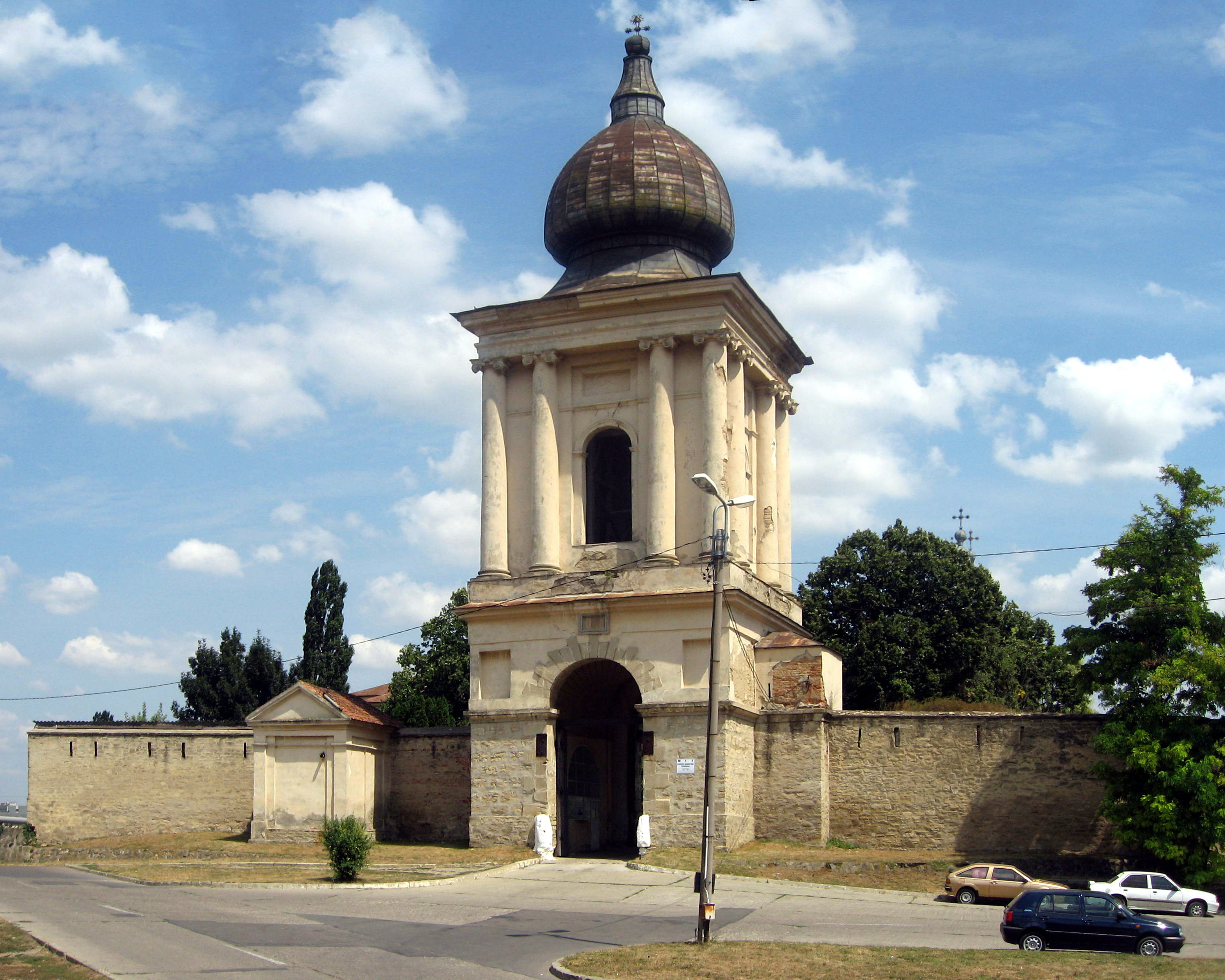
Frumoasa Monastery, located in Iași, Romania, is a historic religious complex established in the 18th century. The site is renowned for its fortified architecture, which includes a robust defensive wall and a prominent bell tower, reflecting the strategic needs of the period in the Moldavian region.
The central church, built in the traditional Moldavian style, serves as the focal point of the monastery. Despite historical challenges and periods of decline, the complex has been preserved as a significant example of Romanian ecclesiastical architecture and monastic life, offering insight into the religious and defensive practices of the era.
Key Facts
- Materials
- Stone, Brick, Mortar
- Civilization
- Moldavian
- Accessibility
- Accessible by road, limited interior mobility
- Date(s)
- 1726-1733
- Condition
- Restored and active
- Original Function
- Monastery and defensive complex
- Key Figures
- Grigore II Ghica
Foundation
1726The monastery was founded by Prince Grigore II Ghica, who sought to establish a place of worship and a fortified retreat on the outskirts of Iași.
Architectural Development
18th CenturyThe complex was designed with defensive walls and a bell tower, characteristic of the fortified monasteries built in Moldavia during the 18th century to protect against regional instability.
Modern Preservation
20th-21st CenturyFollowing years of neglect and damage, the monastery underwent extensive restoration efforts to stabilize the structure and preserve its original architectural features for future generations.
Cultural Significance
Frumoasa Monastery stands as a testament to the intersection of spiritual life and military necessity in historical Moldavia. It represents the patronage of the Ghica family and remains an important site for local religious practice and historical study in the Iași region.
Interpretive Notes
Scholarly debates and areas of uncertainty
The exact extent of the original defensive fortifications and their effectiveness against specific historical sieges remains a subject of minor debate among local architectural historians.
Visiting Information
Entry Rules
Open to the public. Visitors are expected to dress modestly and respect the monastic atmosphere. Entry is free.
Best Times to Visit
Spring and autumn for pleasant weather and access to the monastery grounds.
Photography
Photography is permitted in the courtyard; however, photography inside the church is generally prohibited without prior permission.
Preservation Notes
Visitors are requested to remain on marked paths and refrain from touching the historic masonry or interior frescoes.
Nearby POIs
11 shownSources & Further Reading
- [1]Monasteries of Moldavia — Vasile Drăguț. Meridiane Publishing House (1980)
- [2]The History of Iași — Ion Mitican. Tehnopress (2005)
Key Facts
- Materials
- Stone, Brick, Mortar
- Civilization
- Moldavian
- Accessibility
- Accessible by road, limited interior mobility
- Date(s)
- 1726-1733
- Condition
- Restored and active
- Original Function
- Monastery and defensive complex
- Key Figures
- Grigore II Ghica