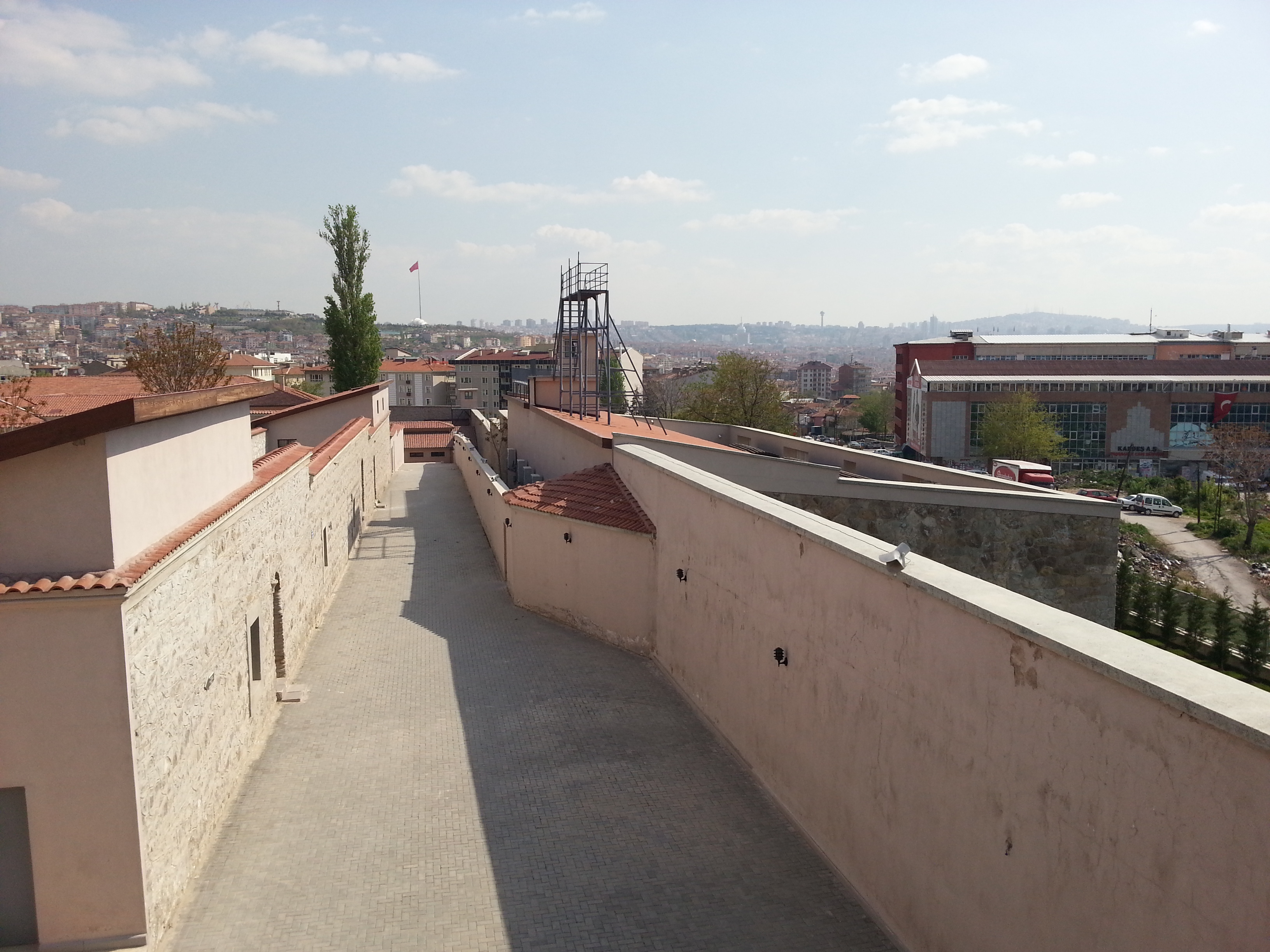
Ulucanlar Prison Museum, located in the Altındağ district of Ankara, served as a state penitentiary from 1925 until its closure in 2006. During its decades of operation, the facility held numerous prominent political figures, intellectuals, journalists, and activists, becoming a symbol of the complex and often turbulent political history of the Turkish Republic.
Following its decommissioning, the site was restored and converted into a museum by the Altındağ Municipality. The facility preserves the original layout of the prison, including solitary confinement cells, communal wards, and the execution courtyard, providing a somber look into the conditions of political incarceration and the lives of those held within its walls.
Key Facts
- Materials
- Stone, Brick, Concrete, Iron
- Civilization
- Republic of Turkey
- Accessibility
- Partially accessible; some areas feature uneven historic flooring
- Date(s)
- 1925
- Condition
- Restored museum
- Original Function
- State Prison
- Key Figures
- Bülent Ecevit, Deniz Gezmiş, Nazım Hikmet, Yılmaz Güney
Establishment
1925The prison was established in the early years of the Republic of Turkey to serve as a central detention facility in the capital city of Ankara.
Era of Political Incarceration
1940s-1990sThroughout the mid-to-late 20th century, the prison became notorious for housing political prisoners following various military coups and periods of civil unrest. It held a diverse array of ideological figures, ranging from poets and writers to student leaders.
Closure and Conversion
2006-2011The prison was officially closed in 2006 due to outdated facilities and human rights concerns. After a comprehensive restoration project led by the Altındağ Municipality, it reopened as a museum in 2011 to document the history of the site.
Cultural Significance
Ulucanlar Prison Museum serves as a site of memory for the political struggles of 20th-century Turkey. It is a place where the public engages with the narratives of individuals who shaped the country's intellectual and political landscape, often at great personal cost. The museum acts as a repository for personal artifacts, letters, and photographs that humanize the history of state detention.
Interpretive Notes
Scholarly debates and areas of uncertainty
There is ongoing discussion regarding the museum's role in shaping collective memory. Some scholars argue that the museum's narrative focuses heavily on specific political eras while potentially omitting or downplaying the experiences of other groups held within the prison, reflecting broader debates about the historiography of the Turkish Republic.
Visiting Information
Entry Rules
Open Tuesday through Sunday. Tickets are required for entry. Visitors are expected to maintain a respectful demeanor given the site's history as a place of incarceration and execution.
Best Times to Visit
Weekday mornings are generally quieter, allowing for a more reflective experience of the exhibits.
Photography
Personal photography is permitted in most areas, though flash photography is discouraged in sensitive exhibit rooms. Commercial photography requires prior authorization.
Nearby POIs
18 shownSources & Further Reading
- [1]
- [2]Memory and Space: The Transformation of Ulucanlar Prison — E. A. Tanyer. Journal of Urban History (2015)
Key Facts
- Materials
- Stone, Brick, Concrete, Iron
- Civilization
- Republic of Turkey
- Accessibility
- Partially accessible; some areas feature uneven historic flooring