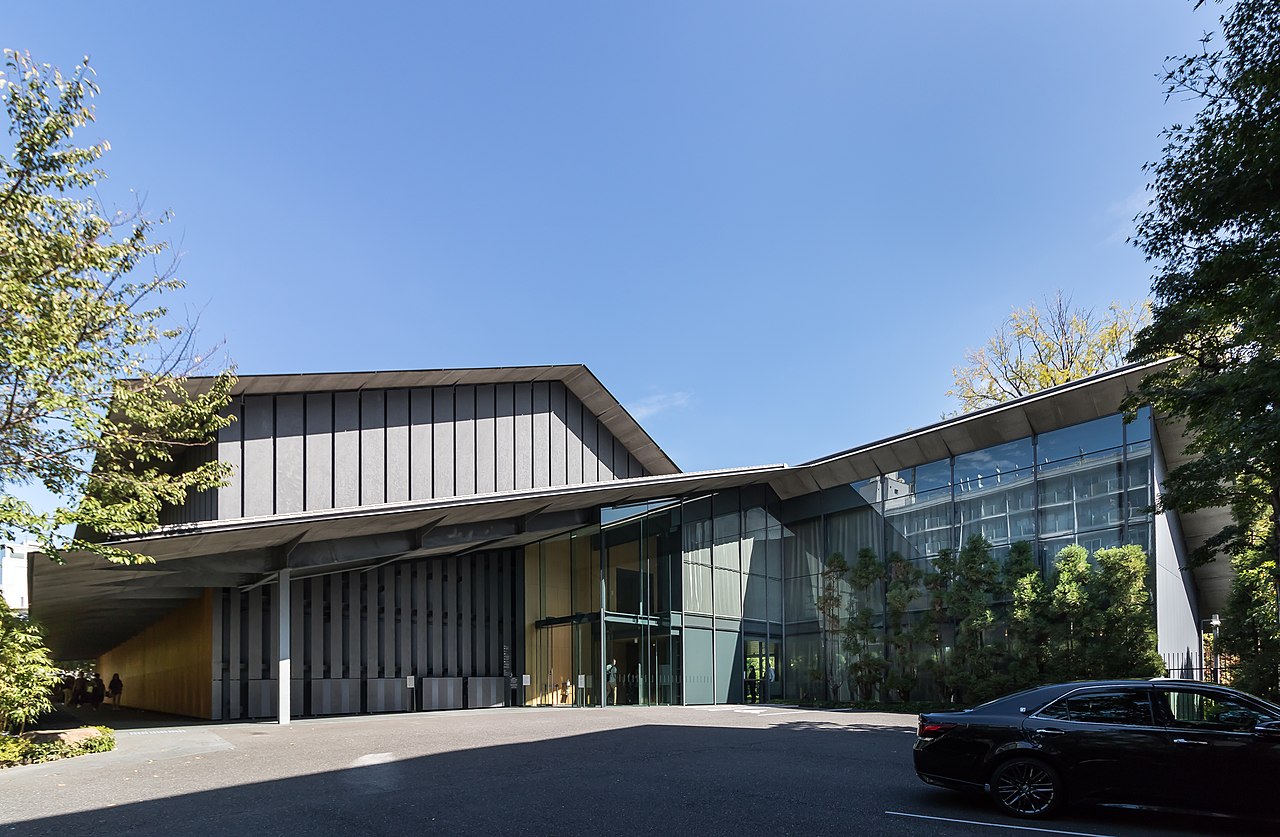
The Nezu Museum houses the extensive private collection of pre-modern Japanese and East Asian art amassed by the businessman Nezu Kaichirō. The collection comprises approximately 7,400 works, including significant holdings of calligraphy, painting, ceramics, and archaeological artifacts, several of which are designated as National Treasures or Important Cultural Properties of Japan.
The museum building, designed by architect Kengo Kuma and opened in 2009, is noted for its integration of traditional Japanese aesthetics with contemporary design. The facility is situated within a large, traditional-style private garden that features winding paths, stone lanterns, and multiple historic teahouses, providing a tranquil environment that complements the museum's focus on tea ceremony utensils and Buddhist art.
Key Facts
- Materials
- Bamboo, Glass, Steel, Stone
- Civilization
- Japanese
- Accessibility
- Fully wheelchair accessible
- Date(s)
- 1941 (original), 2009 (current building)
- Condition
- Active museum
- Original Function
- Private art collection and residence
- Key Figures
- Nezu Kaichirō, Kengo Kuma
Foundation and Collection
1941The museum was established following the death of Nezu Kaichirō, a prominent industrialist and tea practitioner, to preserve and display his vast collection of East Asian art. The original facility opened in 1941 in the Aoyama district of Tokyo.
Architectural Renewal
2009The museum underwent a major reconstruction led by architect Kengo Kuma. The new design emphasized a seamless transition between the urban environment and the museum's expansive garden, utilizing natural materials to reflect the collection's focus on traditional arts.
Cultural Significance
The Nezu Museum serves as a vital repository for the study of the Japanese tea ceremony and Buddhist art. By maintaining both the collection and the traditional garden, the institution preserves the cultural context of the objects, allowing visitors to experience the intersection of art, architecture, and landscape design.
Interpretive Notes
Scholarly debates and areas of uncertainty
Discussions regarding the museum often center on the balance between modern architectural interventions and the preservation of the historical garden's original layout, as well as the ongoing provenance research for the collection's pre-modern artifacts.
Visiting Information
Entry Rules
Open Tuesday through Sunday. Tickets can be purchased online or at the entrance. Visitors are requested to refrain from touching exhibits and to maintain a quiet atmosphere.
Best Times to Visit
Weekdays during the morning hours are recommended to avoid weekend crowds. The garden is particularly noted for its seasonal changes, especially during the spring cherry blossom season and autumn foliage.
Photography
Photography is permitted in the garden, but strictly prohibited inside the exhibition galleries to protect the artifacts and maintain the viewing experience.
Preservation Notes
The museum maintains strict climate control within the galleries to preserve delicate scrolls and lacquerware. Visitors are asked to stay on designated paths within the garden to protect the moss and landscaping.
Nearby POIs
11 shownSources & Further Reading
- [1]
- [2]Kengo Kuma: Complete Works — Kenneth Frampton. Thames & Hudson (2012)
Key Facts
- Materials
- Bamboo, Glass, Steel, Stone
- Civilization
- Japanese
- Accessibility
- Fully wheelchair accessible
- Date(s)
- 1941 (original), 2009 (current building)
- Condition
- Active museum
- Original Function
- Private art collection and residence
- Key Figures
- Nezu Kaichirō, Kengo Kuma